
According to the Ministry of Industry and Trade, the program is organized to improve policy making capacity, share knowledge and promote sustainable energy saving solutions in the region. This is also a special opportunity to learn from international experiences and strengthen connections in the global community on energy efficiency.
Speaking at the opening ceremony, Mr. Dang Hai Dung - Deputy Director of the Department of Innovation, Green Transformation and Industrial Promotion (Ministry of Industry and Trade) - emphasized: "This is one of the meaningful steps in strengthening cooperation and exchange. Energy saving is the foundation for sustainable growth for the economy in general, in the context of rapidly increasing energy demand. Improving energy efficiency is one of the pillars to ensure energy security, reduce production costs and protect the environment. At the same time, energy saving also directly contributes to the common driving force to respond to climate change and implement political commitments.
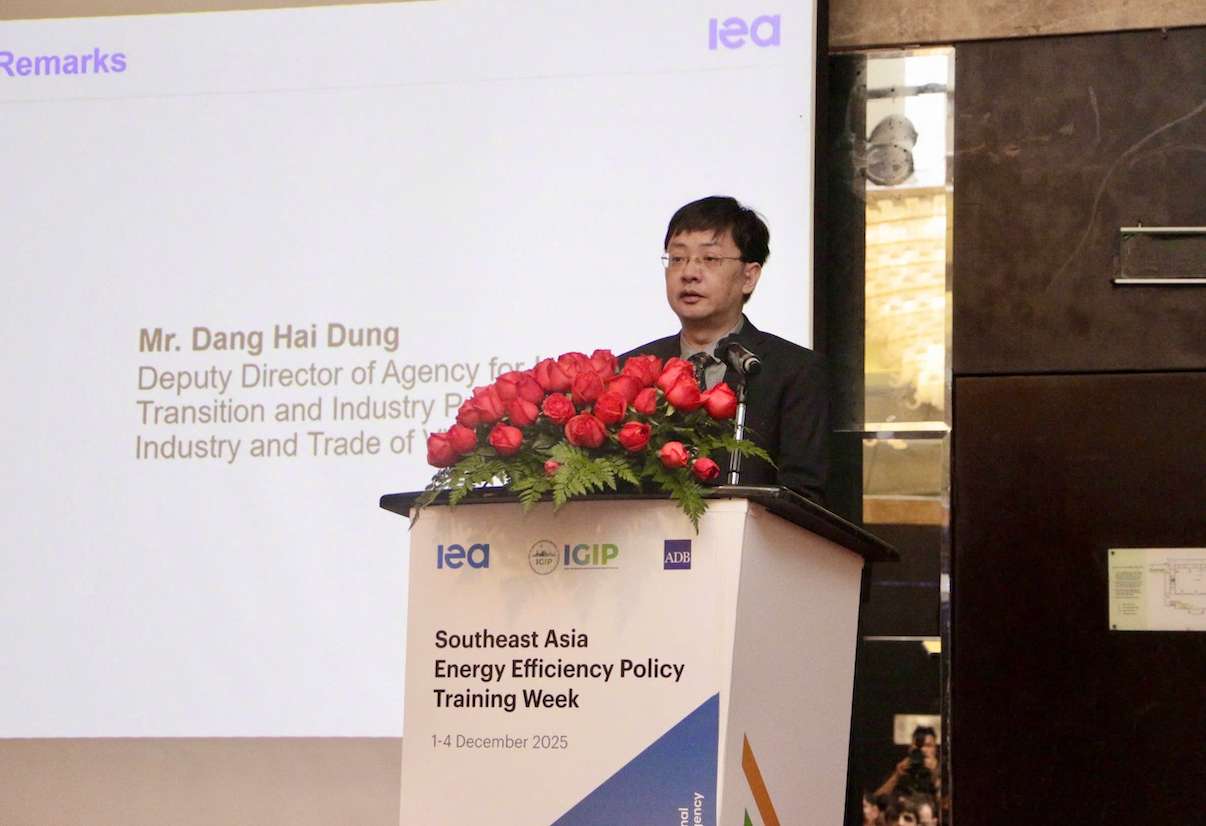
Mr. Dang Hai Dung informed that the Vietnamese government has long been aware that saving energy is a priority goal of the country, so it has issued many programs, legal frameworks and legal documents to encourage, promote investment, change the technology chain... At the same time, saving energy has also been directly contributing to Vietnam's common efforts to respond to climate change.
The training course participants include state management agencies, research institutes, universities, standards/assessment units, energy efficiency consulting companies, industrial enterprises, companies/organizations operating in the field of energy and energy efficiency, commercial banks, etc.
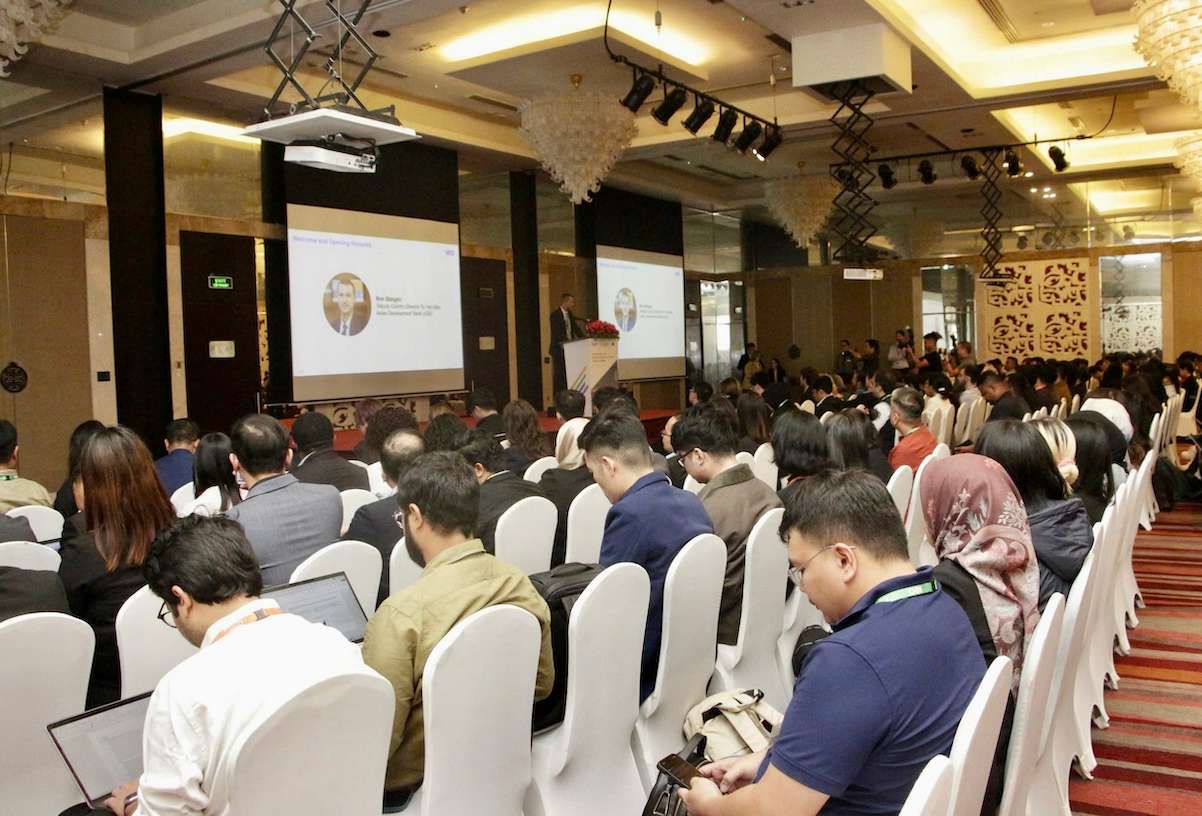
The training program takes place over 4 days, from December 1 to December 4, 2025, providing 5 in-depth training topics including: energy efficiency in buildings; energy efficiency equipment; energy efficiency in industry; energy efficiency in transportation; energy efficiency and assessment indicators.
Regarding energy efficiency in buildings, the training course equips knowledge about energy efficiency in construction works in the context of shifting net emissions to 0. The content includes from the basic principles of energy use in works, design, technological solutions, to policies and investment tools to promote energy efficiency. Participating students will access practical recommendations and methods to build a national roadmap for net-zero transformation in the construction sector.
Regarding the content of energy-efficient equipment, the training course helps learners improve their capacity to build and implement energy-efficient policies for equipment. The content introduces foundational elements for comprehensive policy design, combining regulations, information and incentives, towards higher performance standards.
On energy efficiency in industry, the training course provides knowledge to build and implement energy efficiency programs for many industrial segments, including small, medium and large enterprises. The content revolves around the industrial energy efficiency policy, combining regulations and information to optimize benefits, reduce costs, reduce greenhouse gas emissions and increase competitiveness for businesses.
Regarding the content of energy efficiency in transportation, the program focuses on improving vehicle energy efficiency, especially emphasizing traffic electrification. After the general introduction on energy consumption in transportation and the benefits of effective policy packages, students will be equipped with the skills to build appropriate policy packages.
The program also provides energy efficiency and evaluation indicators, helping learners understand how to use data and evidence to build energy efficiency policies, track progress and assess impacts. Students will learn about national indicators of energy efficiency and applications in policy making and evaluation. After the course, students can confidently apply international practice to their work.
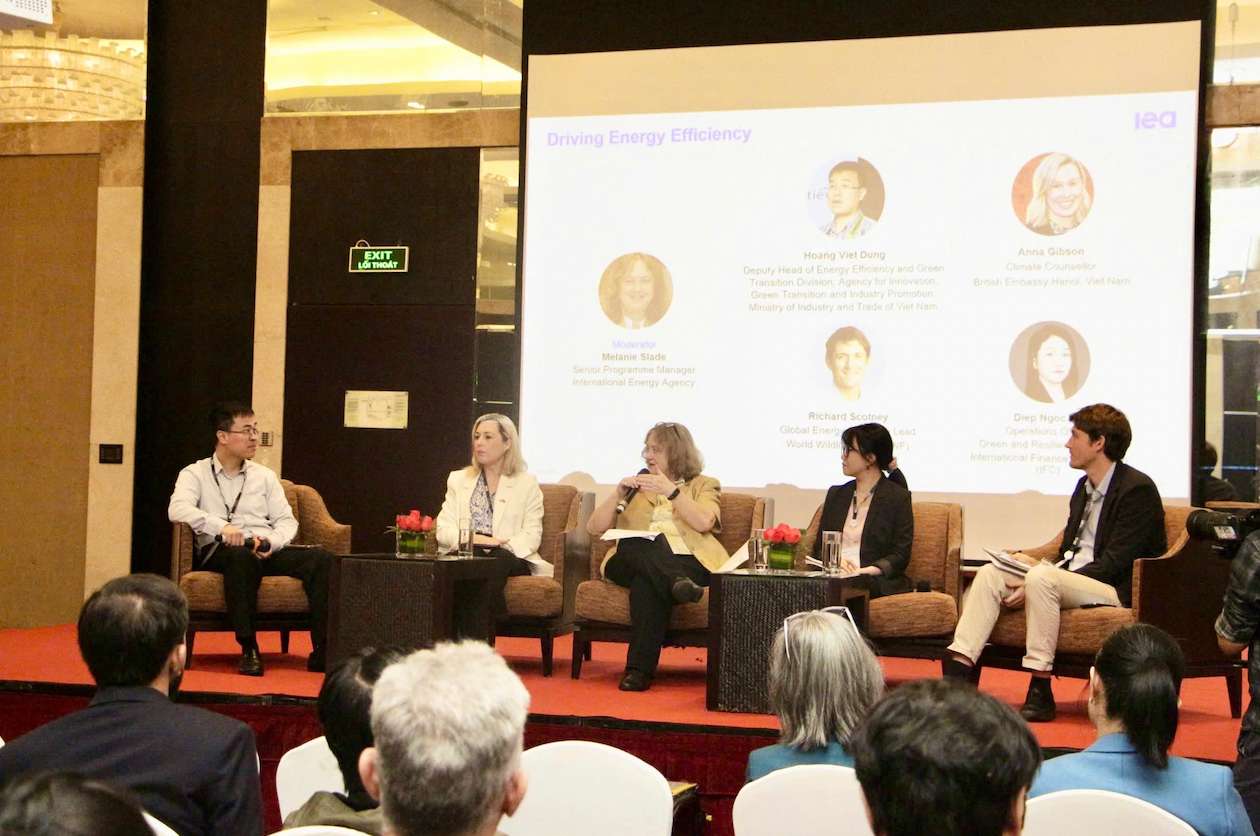
Within the framework of the training week, the program organized a discussion and sharing of energy efficiency management agencies and experts, to discuss key issues and opportunities.


