
In the Cusco region of Peru, San Pedro Nolasco Elementary School is the "highest" school in the world - where the rugged terrain and economic conditions make Internet cables almost impossible.
A class in Peru and the "Internet dream" is realized
In the Cusco region of Peru, San Pedro Nolasco Elementary School is considered one of the "highest" schools in the world, located at an altitude of nearly 3,000m above sea level. With rugged terrain, sparse population and difficult economic conditions, the deployment of Internet infrastructure here was once almost impossible.
Due to specific terrain conditions, this is also one of the few schools in Cusco that does not have Internet to support learning and teaching. The school has contacted several major telecommunications service providers in the market many times but has not received a response. Geographical location, complex terrain and especially the economic problem have discouraged network operators.
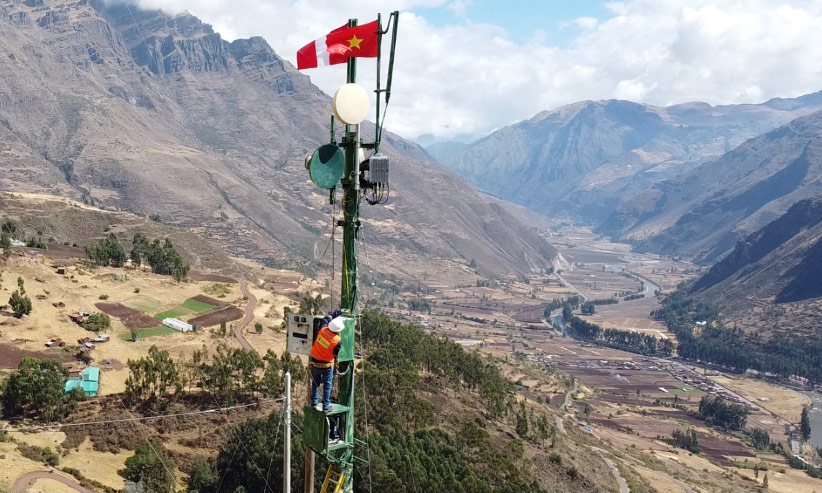
In 2022, Bitel - Viettel's brand in Peru - decided to deploy infrastructure and provide free Internet for the school. This was not an easy decision when bringing equipment to the broadcasting station area had to overcome steep terrain, one side mountain, one side abyss. Engineers and workers had to transport materials and equipment by manpower in harsh weather conditions.
According to Bitel's representative in Cusco, despite many difficulties, determination has not changed when thinking about highland students who need better learning opportunities.
On April 6, 2022, teachers and students of San Pedro Nolasco first accessed the Internet. The event was witnessed by representatives of the Peruvian National Congress, the school board and parents. This is not only a milestone for the school alone, but also a symbol of the technological ability to reach the most difficult places.
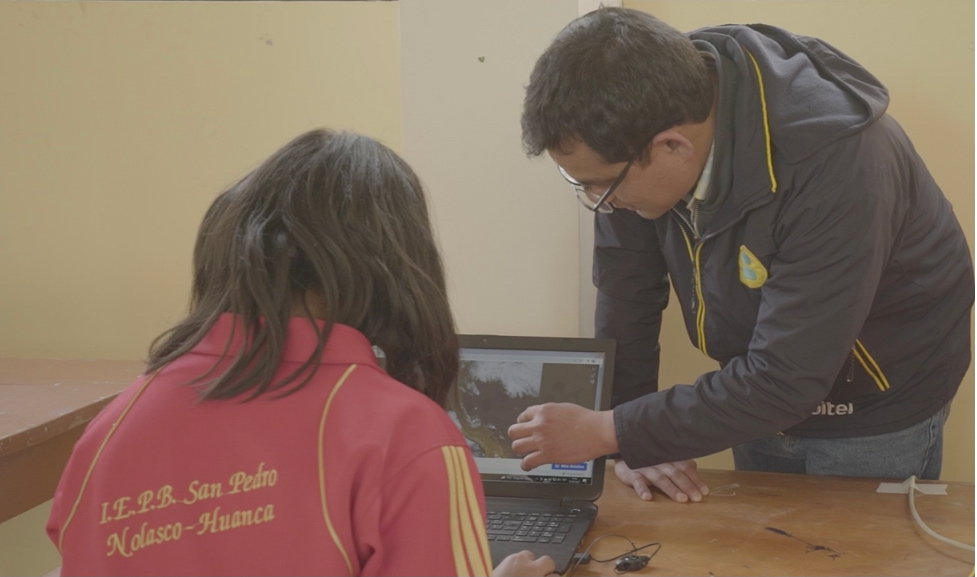
When the Internet was established, changes appeared clearly. Students first accessed digital knowledge, teachers had more teaching tools, and parents saw better learning opportunities for their children. From a nearly "isolated" school, San Pedro Nolasco could connect with the world.
This project is not an isolated case. Bitel is currently the only telecommunications company in Peru that provides free Internet for about 4,500 schools, helping nearly 1 million students access digital education.
From Vietnam to the world: Internet as an infrastructure of opportunity
The story in Peru is also a continuation of the "School Internet" program that Viettel has implemented in Vietnam since 2008. At that time, more than 60% of schools in the country did not have Internet, causing difficulties in accessing digital learning materials and modernizing education.
After nearly 18 years, the program has created a systemic impact. Nearly 40,000 educational institutions, equivalent to 92% of schools nationwide, are connected to the Internet for free, helping about 25 million students and teachers access an online learning environment.
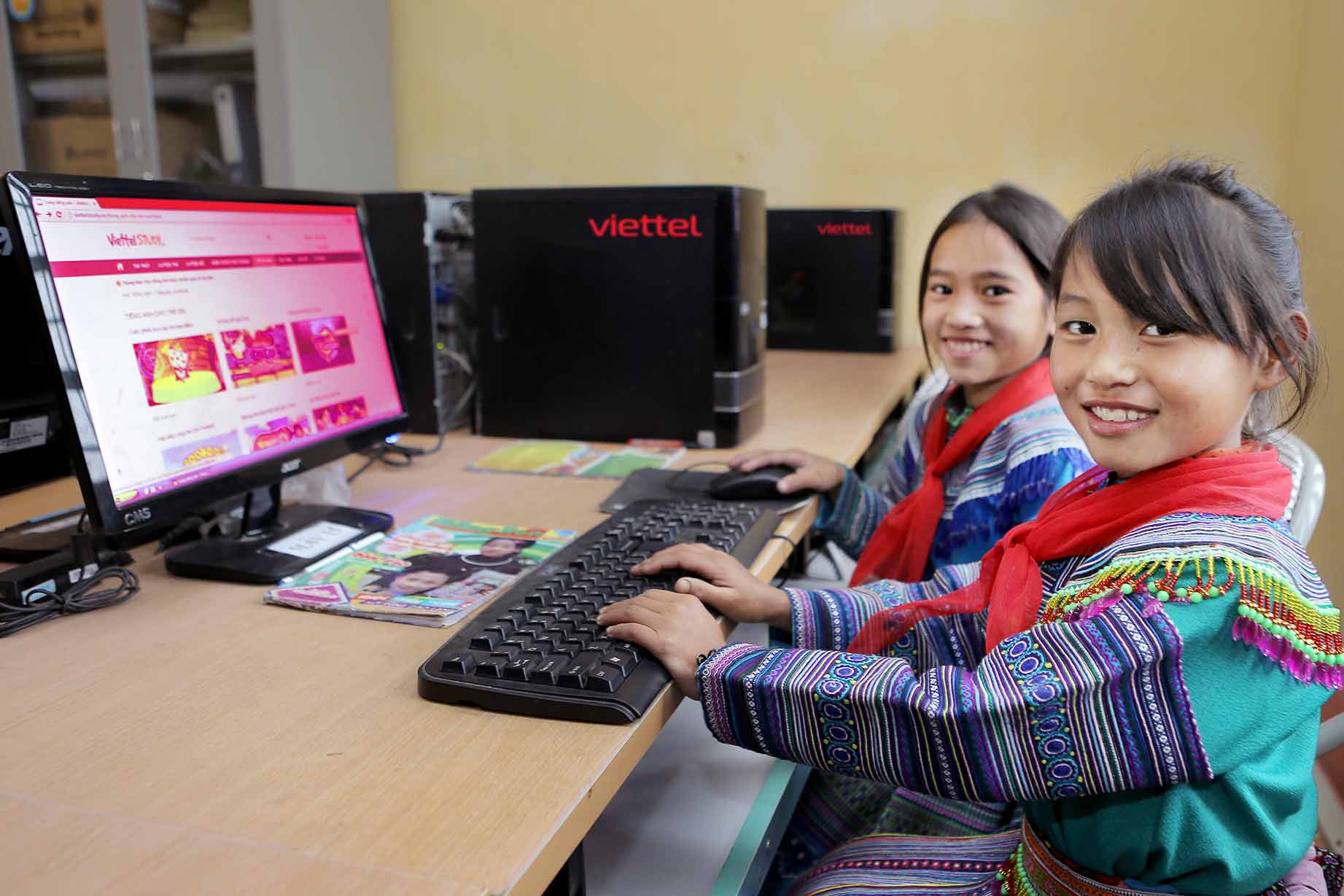
The Internet is not only being "popularized", but also becoming a platform for developing the digital education ecosystem, changing teaching and learning methods nationwide.
The model is also being deployed by Viettel in many international markets such as Laos, Cambodia, Mozambique, Tanzania, Burundi and Peru. In these countries, Viettel coordinates with local governments and educational organizations to bring broadband Internet to thousands of schools, especially in rural, remote and isolated areas.
Technology creates social impact
In the context of global digital transformation, the Internet is no longer just a telecommunications service, but has become a basic condition for accessing knowledge and participating in the digital economy. When mountainous students can study online like urban students, the digital gap is not only narrowed but gradually eliminated.
Viettel's ESG activities are concretized by practical connections to each student and teacher, bringing infrastructure to the most difficult places and maintaining it for a long time to create community benefits. This is especially meaningful in the telecommunications sector, where sparsely populated areas with low economic efficiency are often left behind.
However, according to Viettel's point of view, students in those "hollow spots" still deserve to have equal access to learning opportunities like anyone else. A representative of Viettel said that digital infrastructure development is always associated with social responsibility; Internet connection for education not only opens up more equal learning opportunities but also creates a long-term development foundation for each country.
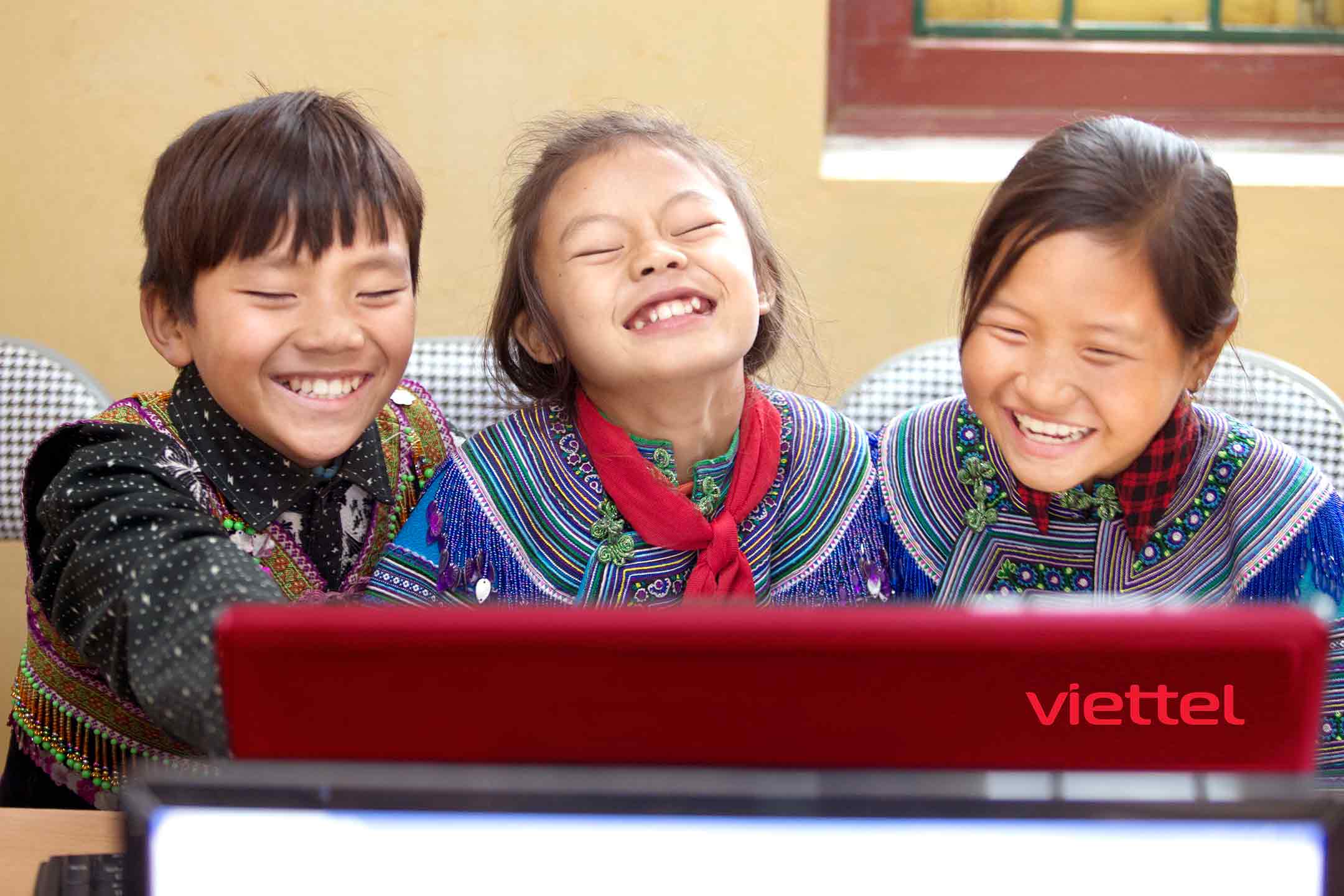
The Platinum Global CSR & ESG Awards 2026 is considered a recognition of those persistent efforts. From Vietnam to Peru, Viettel's Internet universalization projects are creating a common impact: expanding learning opportunities, promoting fairness in access to knowledge and contributing to building a sustainable development platform.
The story from a classroom on a high mountaintop in Cusco shows that technology not only creates connections, but can also change life and future opportunities. For Viettel, the Internet is not simply a telecommunications infrastructure, but an infrastructure of opportunities.


