
Manage each plum with data
In the saltwater intrusion-affected area of Cu Lao Dung commune (Can Tho City), Mr. Tran Van Phuc is a pioneer farmer in high-tech agricultural production who is making a mark with a comprehensive digitalization model of the San Tien pink plum garden with a scale of 50ha. Of which, about 20ha have yielded stable fruit, preparing to export orders in 2026 to foreign markets with positive signals.
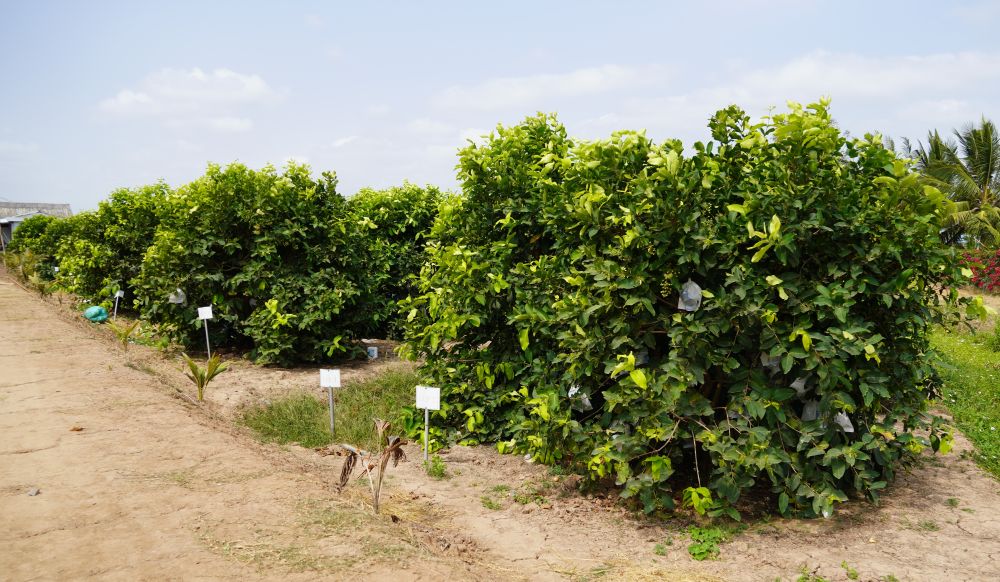
Unlike traditional farming methods based heavily on experience, the entire area of Mr. Phuc's plum garden is encoded according to each area, each batch, even each tree, each fruit. Data from the date of sowing, flowering treatment, care to expected yield is continuously updated on the digital management system.
When the planting area is large, from a few tens to hundreds of acres, if we do not manage the quantity, we cannot know the output in advance. Only when digitized, can we forecast how many fruits and how many tons will be harvested 30 days before harvest, thereby proactively offering for sale and signing orders," Mr. Phuc said.
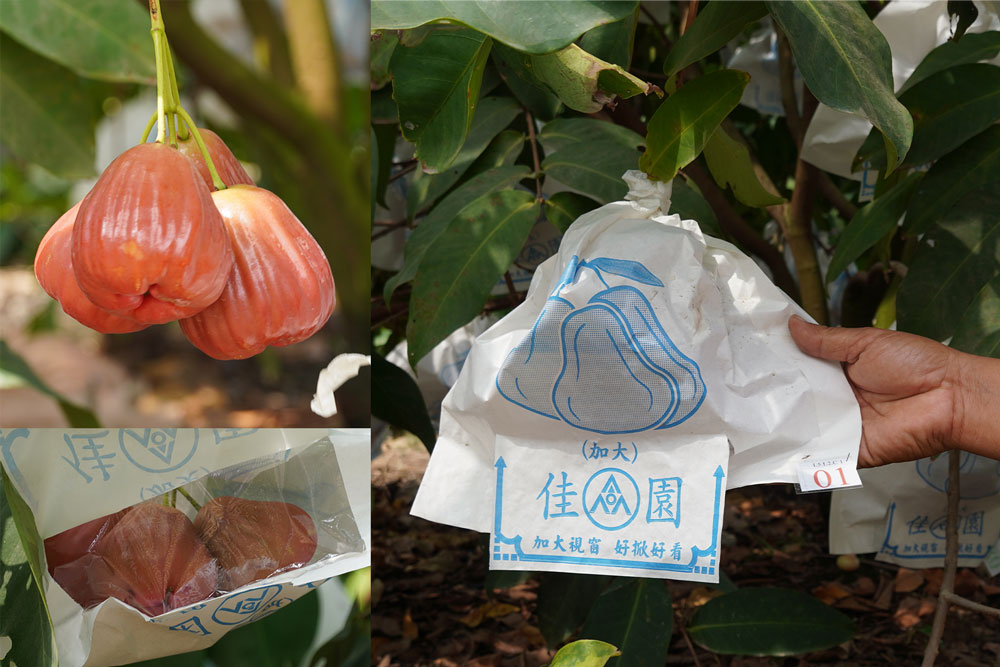
According to him, firmly grasping output before harvest helps gardeners shift from passive to proactive. Instead of finding outlets after harvesting, contracts can now be signed in advance, reducing risks and stabilizing cash flow.
Transparency to increase value
Not only stopping at production management, each batch of selling plums has a traceability code. The entire production process is stored transparently on the system.
The most important thing is that the products produced must ensure health. If partners take them for testing without residual impact, we can rest assured to follow the large production process," Mr. Phuc emphasized.
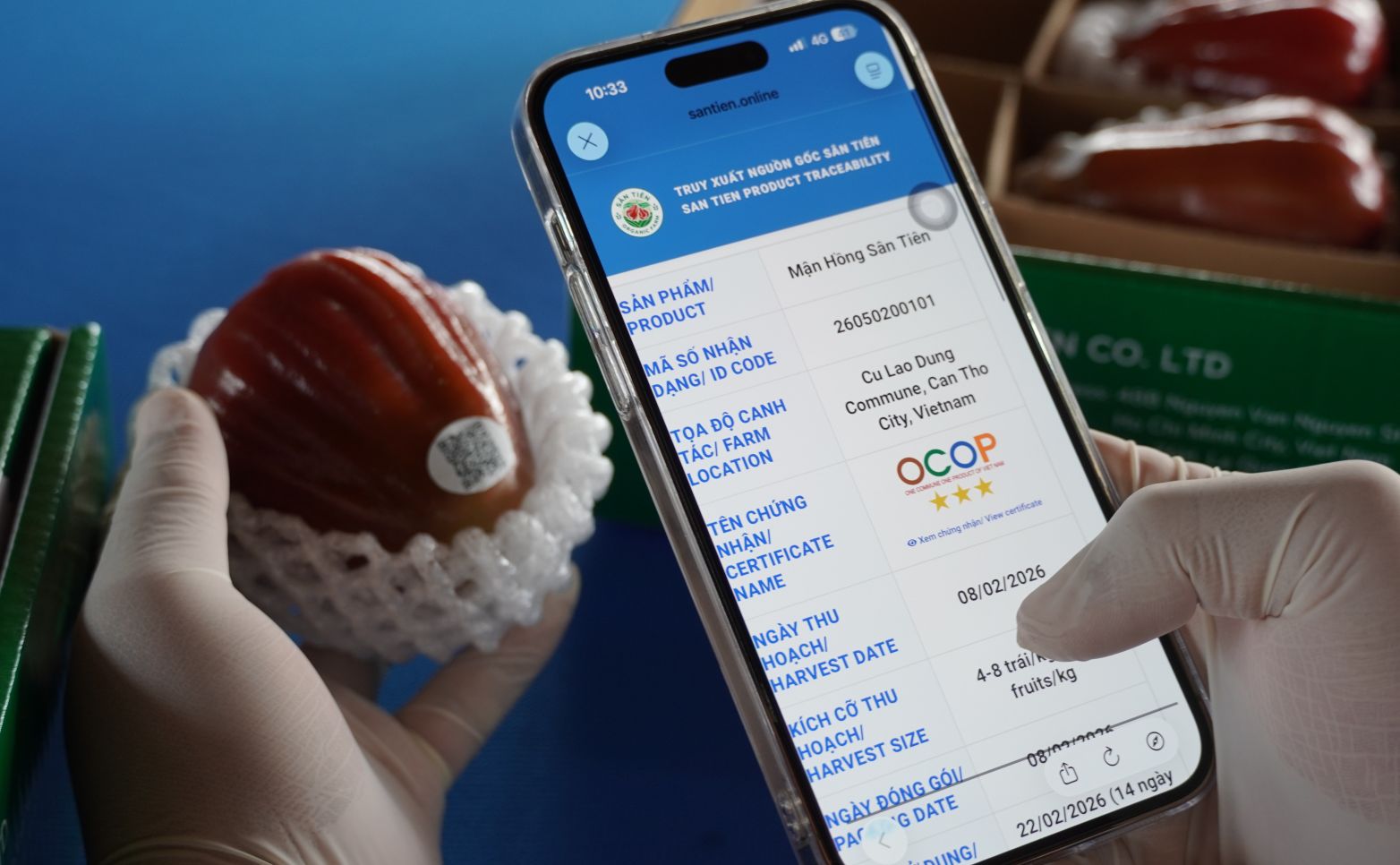
According to him, in the context of the market increasingly tightening standards, traceability and digital management are mandatory conditions if you want to access demanding markets. When each plum has an "electronic record", the trust of partners and consumers is strengthened.
Another advantage of digitization is opening up consumption channels through e-commerce. Products are standardized, information is transparent, so they can be put directly on the exchange, connecting buyers without being completely dependent on traders.
If there is no traceability, no digital management, the profit may lose 50-60% to intermediaries. Farmers work hard but do not enjoy much, and consumers have to buy at high prices. When digital management is applied, selling prices are clearer, profits increase, helping farmers reinvest and improve product quality," Mr. Phuc analyzed.
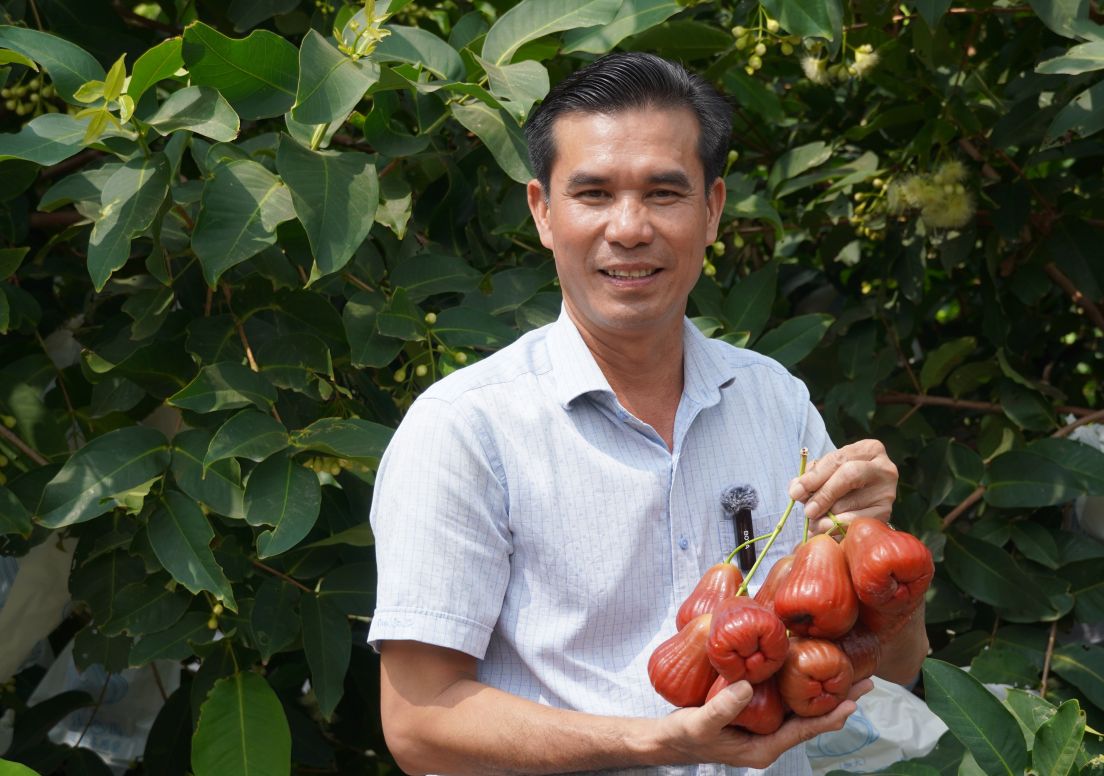
According to Mr. Phuc, transparency not only helps increase the value of agricultural products but also creates a "barrier" to protect genuine producers. When the production process is managed by data, real and fake cannot be equated. Real people will enjoy the right value they put in, and consumers will have more basis for choice.
Up to this point, when digital management has been put in, I see very good signs. Real people will enjoy their true efforts. That is what is important," he said.
Assessing the model, Mr. Nguyen Van Dac - Vice Chairman of Cu Lao Dung Commune People's Committee (Can Tho City) - said that the model has many prospects for replication and has been included in the agricultural economic development plan for the 2026-2030 period, aiming to replace inefficient crops.


