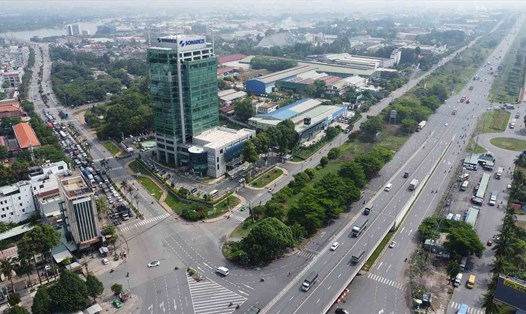
Private enterprises pioneer in investing in metro
In Ho Chi Minh City, Vingroup Corporation has proposed to the Ho Chi Minh City People's Committee to self- funding research, survey and propose an investment plan for the metro line from the city center to Can Gio. This metro line is 48.7km long, starting from Nguyen Van Linh Avenue (District 7), following Nguyen Luong Bang Street, crossing the river and running along the Rung Sac route to the Can Gio coastal urban area. Vingroup also proposed studying this metro line in combination with the Can Gio bridge project to ensure synchronous connection, optimize investment costs and maximize the efficiency of transport infrastructure.
In addition to Vingroup, at the recent meeting between the Government Standing Committee and enterprises, Mr. Tran Ba Duong - Chairman of the Board of Directors of Truong Hai Group (THACO) - also expressed his desire to participate in the urban railway sector, especially the production of train cars and steel components.
According to Mr. Tran Ba Duong, with the capacity to research, develop products and cooperate internationally, THACO can organize production right in Vietnam, helping to reduce costs and increase the participation of domestic enterprises in the urban railway supply chain.
Mr. Phan Cong Bang - Head of the Ho Chi Minh City Urban Railway Project Management Board (MAUR) - said that with the plan to build 355km of metro by 2035, the amount of work to be implemented is very large. Therefore, if we do not start now, Ho Chi Minh City will find it difficult to achieve the set goals.
Mr. Bang said that Resolution 188 has created a specific mechanism, allowing private investors to directly participate in the implementation process without having to go through many stages of investment policy approval as before. This is an important step to help speed up the progress of metro lines.
Mr. Bang also emphasized that the issue that needs to be focused on at present is compensation and site clearance. If Ho Chi Minh City soon has "clean" land, investors will have favorable conditions to implement projects on schedule.
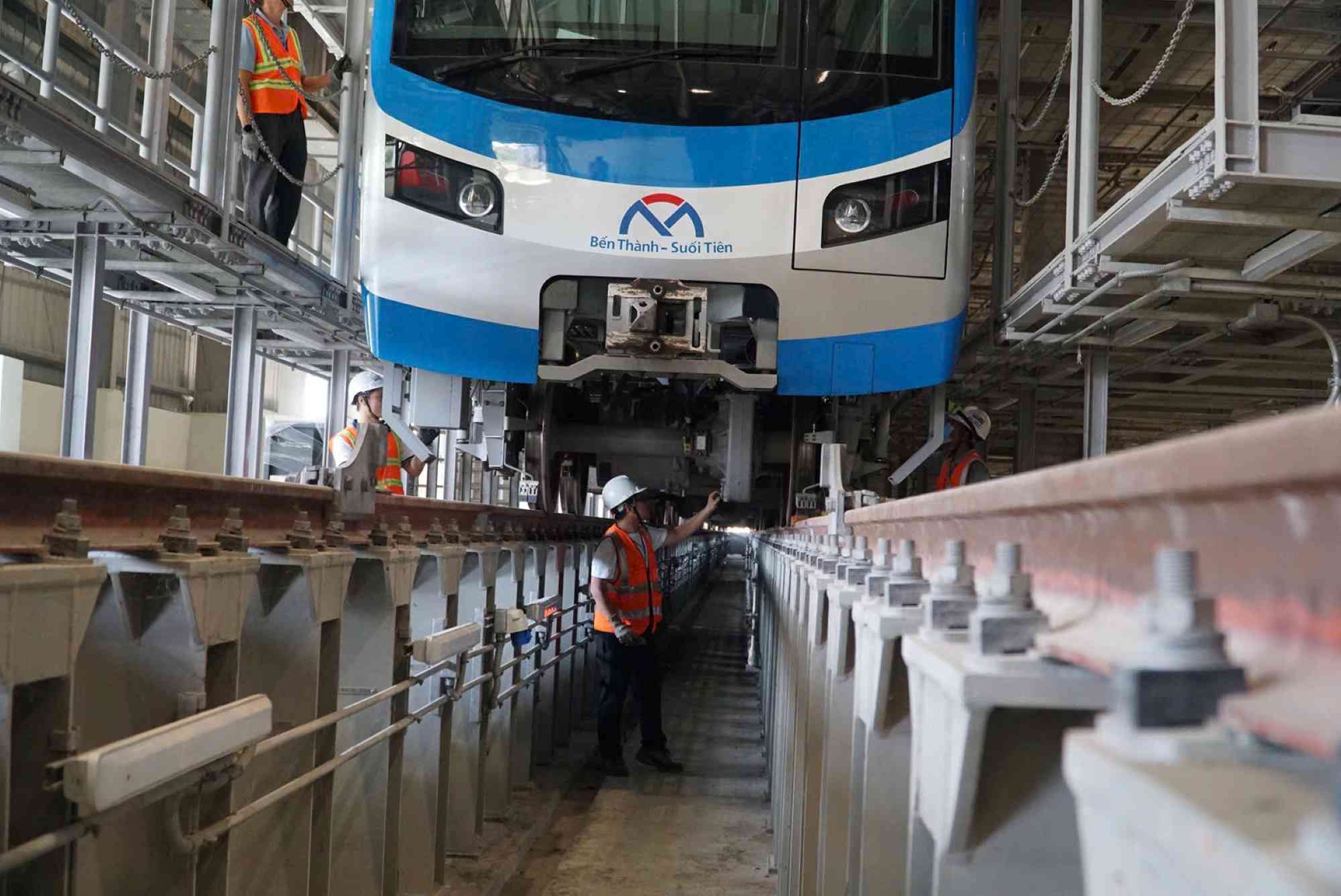
Need for policies to support domestic enterprises
Dr. Tran Quang Thang - Director of the Ho Chi Minh City Institute for Development Studies - commented that instead of depending on imports, the Government can assign leading enterprises in the fields of railways, mechanical engineering, information technology... to participate in the production of components and equipment for metro, thereby forming a sustainable supporting industrial ecosystem.
On the contrary, the Government needs to have incentive and incentive policies to attract domestic enterprises to invest and produce. Corporations such as Vingroup and THACO have shown their determination to participate in this field, but in order for them to develop long-term, there needs to be consistent support from the Government and localities.
Ho Chi Minh City needs to speed up the completion of infrastructure, reform administrative procedures and soon issue a clear public-private partnership (PPP) mechanism to create motivation to attract businesses to invest. "If done well, not only Ho Chi Minh City but the whole country will have the opportunity to own a modern, synchronous and sustainable metro system in the future" - Dr. Tran Quang Thang said.
Dr. Phan Huu Duy Quoc - a member of the expert group advising on the development of the urban railway system in Ho Chi Minh City - said that lessons from China show that to quickly develop the metro network, it is necessary to master technology, materials and technical standards. China is currently not only self-producing locomotives and cars, but also building a strong supporting industry, helping to reduce costs and speed up implementation.
According to Mr. Nguyen Quoc Hien - Deputy Head of the Ho Chi Minh City Urban Railway Management Board, Vietnam can learn from China's metro industry development model. This country has become a powerhouse in urban railways, not only expanding the domestic system but also exporting technology and equipment. Thanks to the strong development of the supporting industry, from the manufacture of locomotives, carriages to signal systems, construction materials, etc., China has built a complete and completely proactive ecosystem in this field.