The boy went to school and play normally before class, suddenly fainted one day," Ms. Nguyen Thi Thanh Truc (Khanh Hoa) recounted when taking her son to the screening program "Heart for You" organized by Viettel Group and Tam Long Viet Fund (VTV) at the end of July.
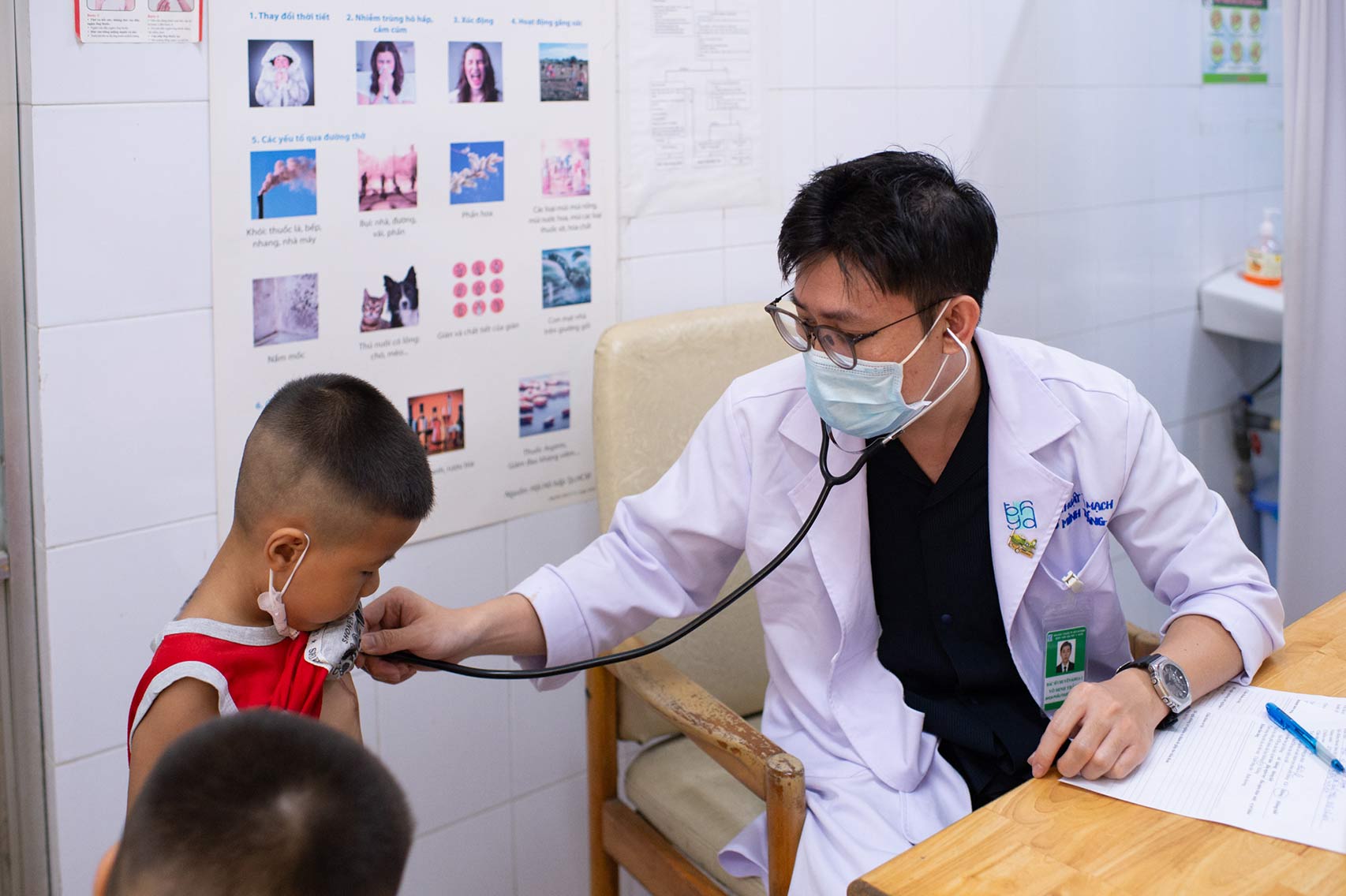
After fainting, Minh Phu (born in 2012) was taken to Ho Chi Minh City for examination and diagnosed with arrhythmia. When she learned that the program was held in Khanh Hoa, Ms. Truc woke up from early morning, traveling nearly 200km from the old Ninh Thuan area to take her child to the hospital. Doctors at the University Medical Center Hospital in Ho Chi Minh City concluded that she needed to have a treatment machine.
At the same examination, Ms. Hai Nam (Ninh Hai commune, Khanh Hoa) was also shocked when her daughter Thien Di (born in 2021) was prescribed to close the ventricular septal defect early to avoid complications.
The common point of many parents is that their children still eat, sleep, and run and jump normally, so they do not think they have heart disease. Therefore, when doctors request intervention or surgery, many families are both worried about costs and afraid of a disease related to vital organs.
Not difficult to detect, but need to find out soon.
According to the Ministry of Health, Vietnam has about 10,000-12,000 children with congenital heart disease each year, but only about half are operated on. Many cases need to be detected and treated right from the neonatal stage to avoid the risk of premature death.
Master, Doctor Ngo Quoc Tuan Huy - Deputy Head of Cardiovascular Department, University Medical Center Hospital HCMC - said that signs such as purple lips, purple fingertips, rapid breathing, chest pain, prolonged wheezing, slow weight gain... can be fully recognized through screening. The most important thing is early detection so as not to miss the "golden time" for treatment.
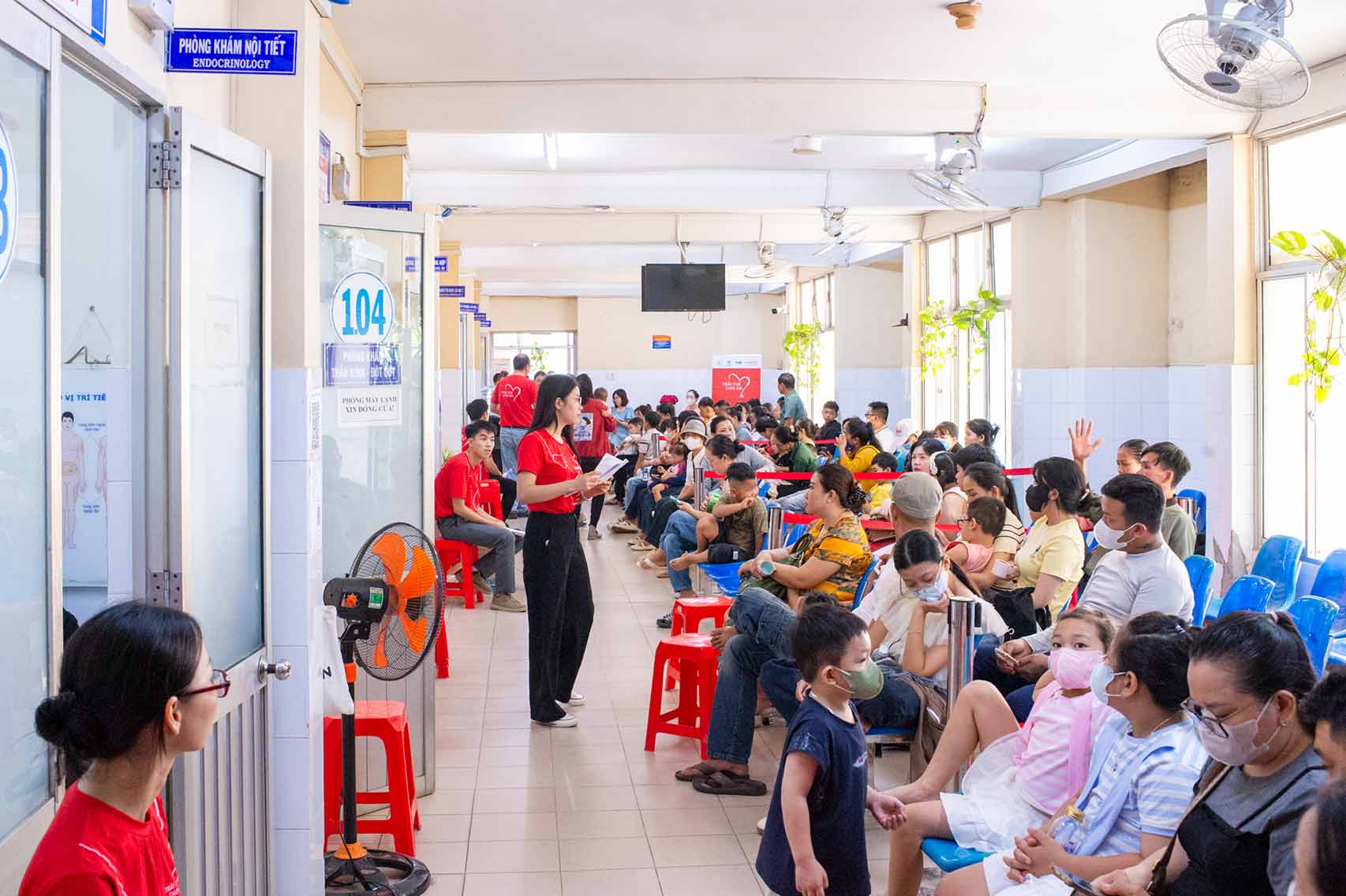
Therefore, community health check-up programs such as "Heart for Children" are very necessary, especially in rural and mountainous areas where medical conditions are still limited. In addition to bringing specialist doctors to localities, the program also helps raise awareness for parents, teachers and grassroots health workers about the signs of congenital heart disease.
Doctors believe that many children are only detected when complications have appeared, while if screened early, treatment will be simpler and the cost will also be lower. Community health check-ups are therefore not only meaningful for disease detection but also help change parents' awareness of periodic health check-ups for children.
To let people know and take children for examination, communication work is widely deployed. Viettel coordinates to send messages to subscribers in the area, and at the same time connects with local authorities, schools, hospitals, radio and television stations and community groups to spread information about examination schedules.
Thanks to that, during weekend check-ups, many families in remote areas are still present from early morning after a journey of hundreds of kilometers. Some people are assured to go home, and some families receive news that their children need immediate treatment.
Medicine, resonance engineering
For Ms. Thanh Truc, the estimated amount of about 100 million VND for treatment is too heavy a burden for a farming family. However, right at the examination, difficult cases such as Minh Phu or Thien Di were instructed to apply for surgery funding support.
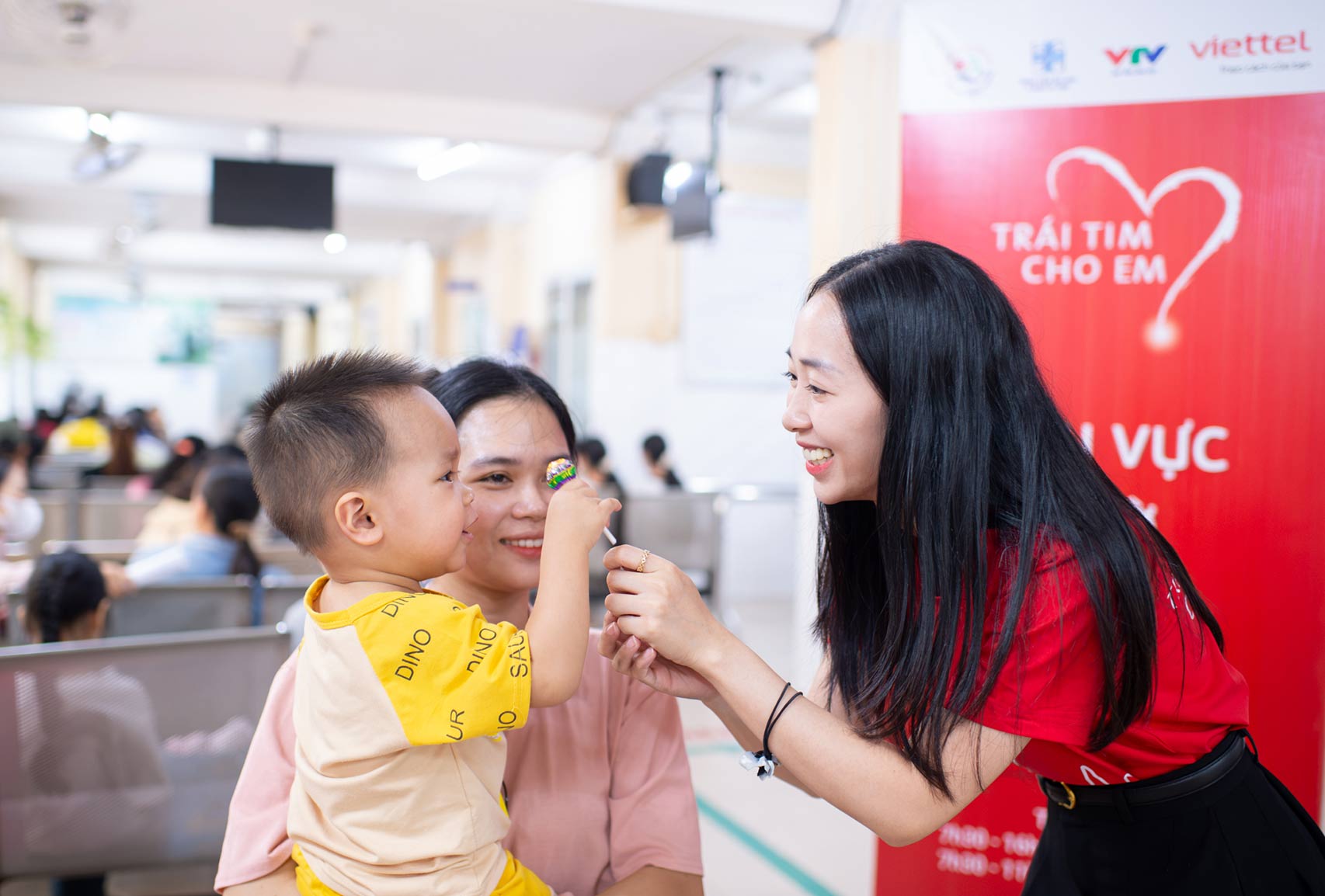
Many parents share that if they have to take their children to higher levels for a cardiology examination, they will have to spend more money on travel, accommodation and many days off work. The program being organized right in the locality helps significantly reduce costs and time, while creating conditions for children to access specialist doctors earlier.
According to Dr. Huy, what he hopes most after each examination is that more and more parents will actively take their children for screening, because the earlier it is detected, the higher the chance of successful treatment. For many poor families, timely support not only saves a child but also helps them avoid prolonged financial burdens.
After 18 years, "Heart for Children" shows that saving children with congenital heart disease is not just a story of doctors. It is a combination of medicine for diagnosis, technology to spread information and social resources to support poor families. When those links are connected, many children will have more opportunities to be healed and grow up healthy.