
Overtime with the sewing machine
These days, the long-standing garment village along Ho Tung Mau street (Cai Khe ward, Can Tho city) is becoming more bustling than usual. The special thing here is that the workers do not sew new clothes, but mainly receive renovations and adjustments of details to make customers most satisfied for Tet.
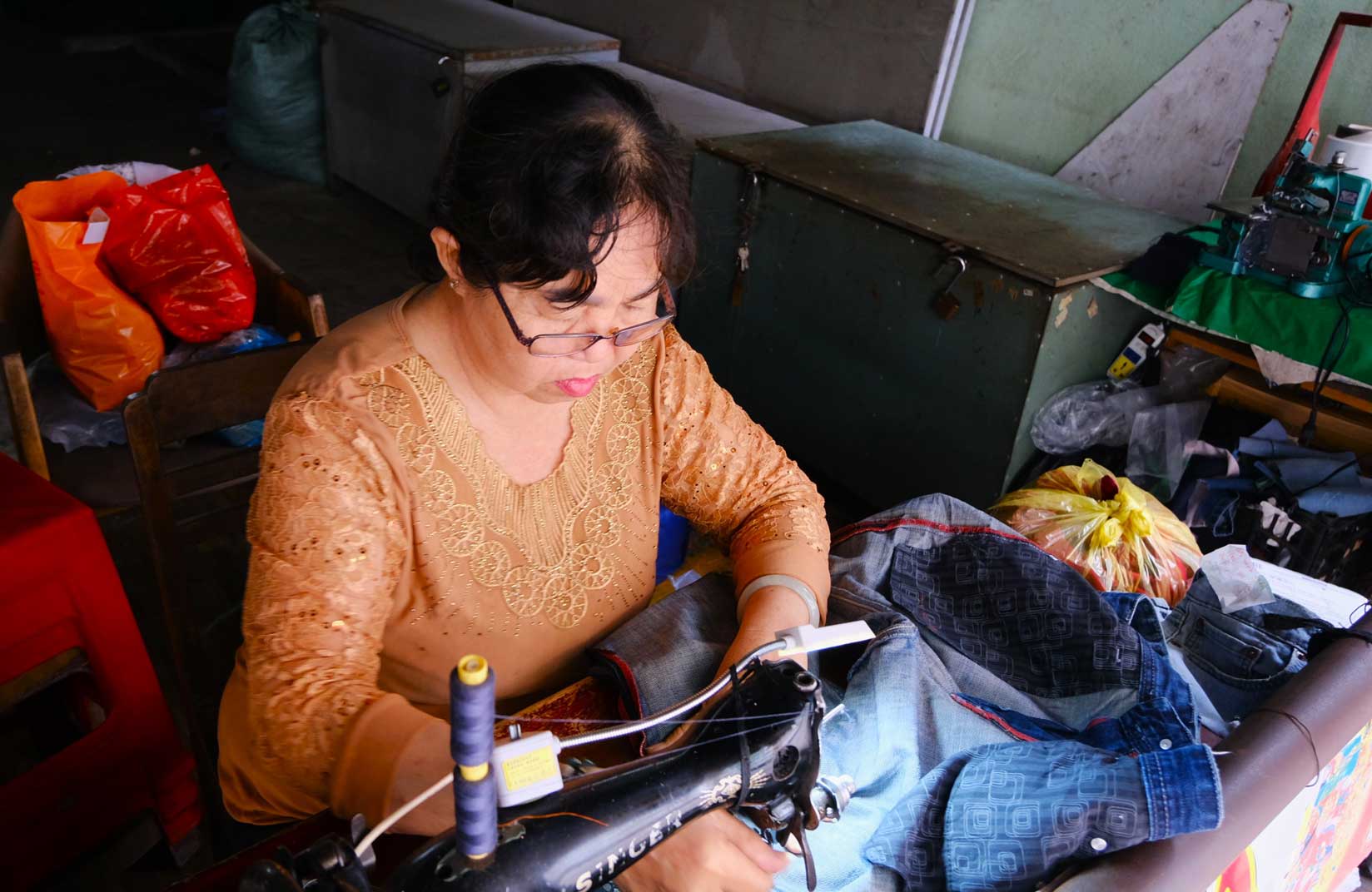
The quick-witted hands are racing against time, meticulously pointing at each needle and thread to deliver goods in time.
With nearly 20 years of attachment to the sewing machine on this road, Ms. Duong Ngoc Ha excitedly said that since Christmas, the number of customers has increased every day, making her unable to work in time to rest. “Previously, clothes repair customers only needed to make an appointment for 2-3 days to take them, but now orders are piling up, sometimes it takes a whole week to deliver in time,” Ms. Ha shared.
Usually, Ms. Ha starts packing goods from 8:30 am to over 6 pm. When she gets home, after finishing meals, she is busy unpacking, working overtime at night to have goods to deliver to customers in the morning.
Ms. Ha confided: "Before, I was home at 5 pm, now I have to try to work until 7 pm and then go home to continue working. Hard work is hard work, but I am happy because I am supported by customers. This is both the affection of customers and helps me have more income to shop for Tet.
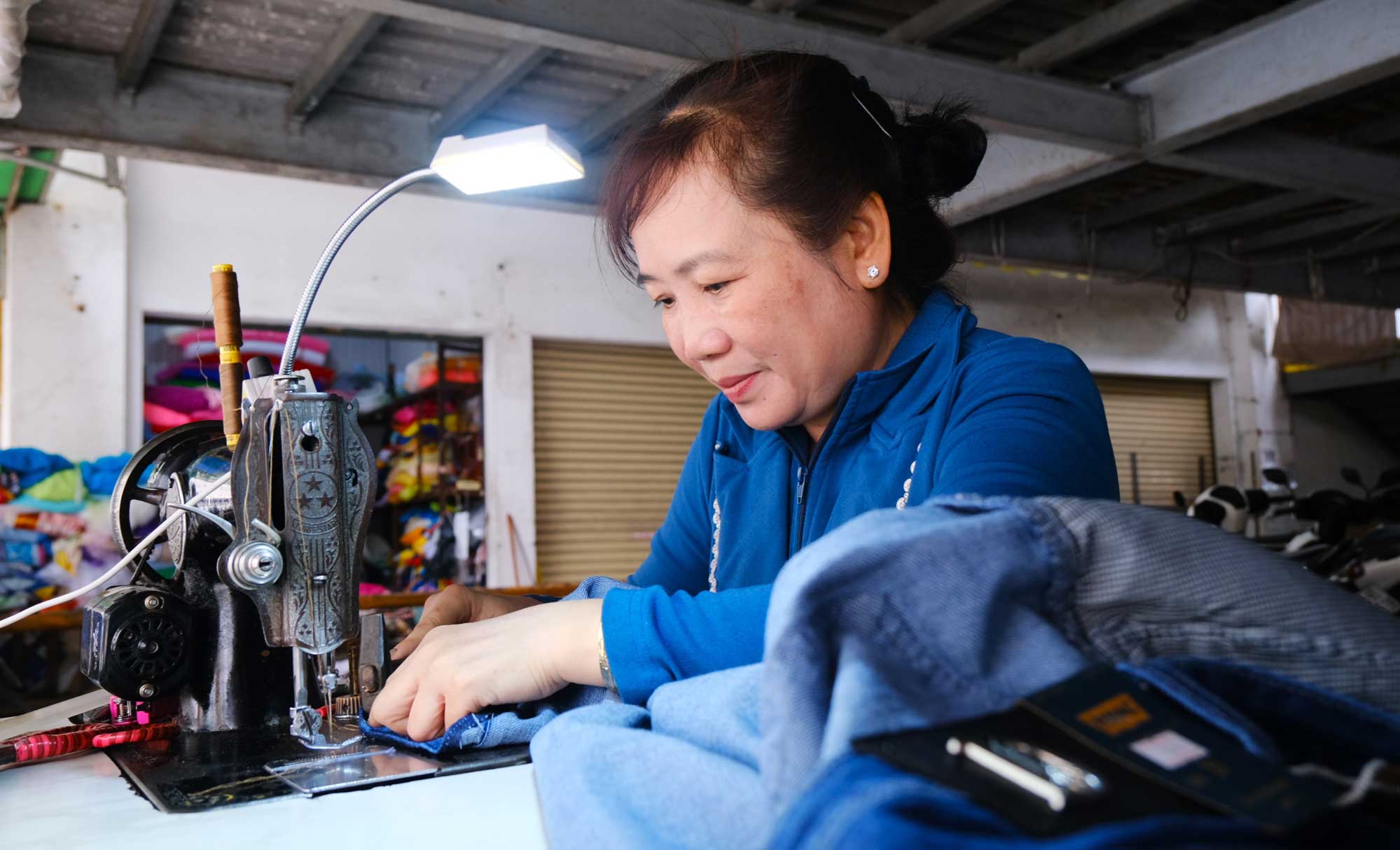
Not far away, Ms. Nguyen Thi Luu (51 years old) is also busily working at the sewing machine. She learned the craft at the age of 18 and has been attached to it until now. On weekdays, her work is quite leisurely, but from the beginning of November of the lunar calendar, the garment village has begun to enter the peak season.
Usually I earn more than 100,000 VND a day, but in the Tet season, my income doubles. To maintain my reputation, when I get home, I have to "overtime" to remove things to make the repair stage faster the next day. Working a lot is tiring, but it helps me have a more reunited and warm Tet," Ms. Luu confided.
The craftsmen who cling to the profession
Although the ready-to-wear fashion market is increasingly diverse, this long-standing garment hamlet still maintains its own position in the hearts of the people of Tay Do. Customer trust is the connecting thread, helping small garment stalls survive for decades in the dynamic city center.
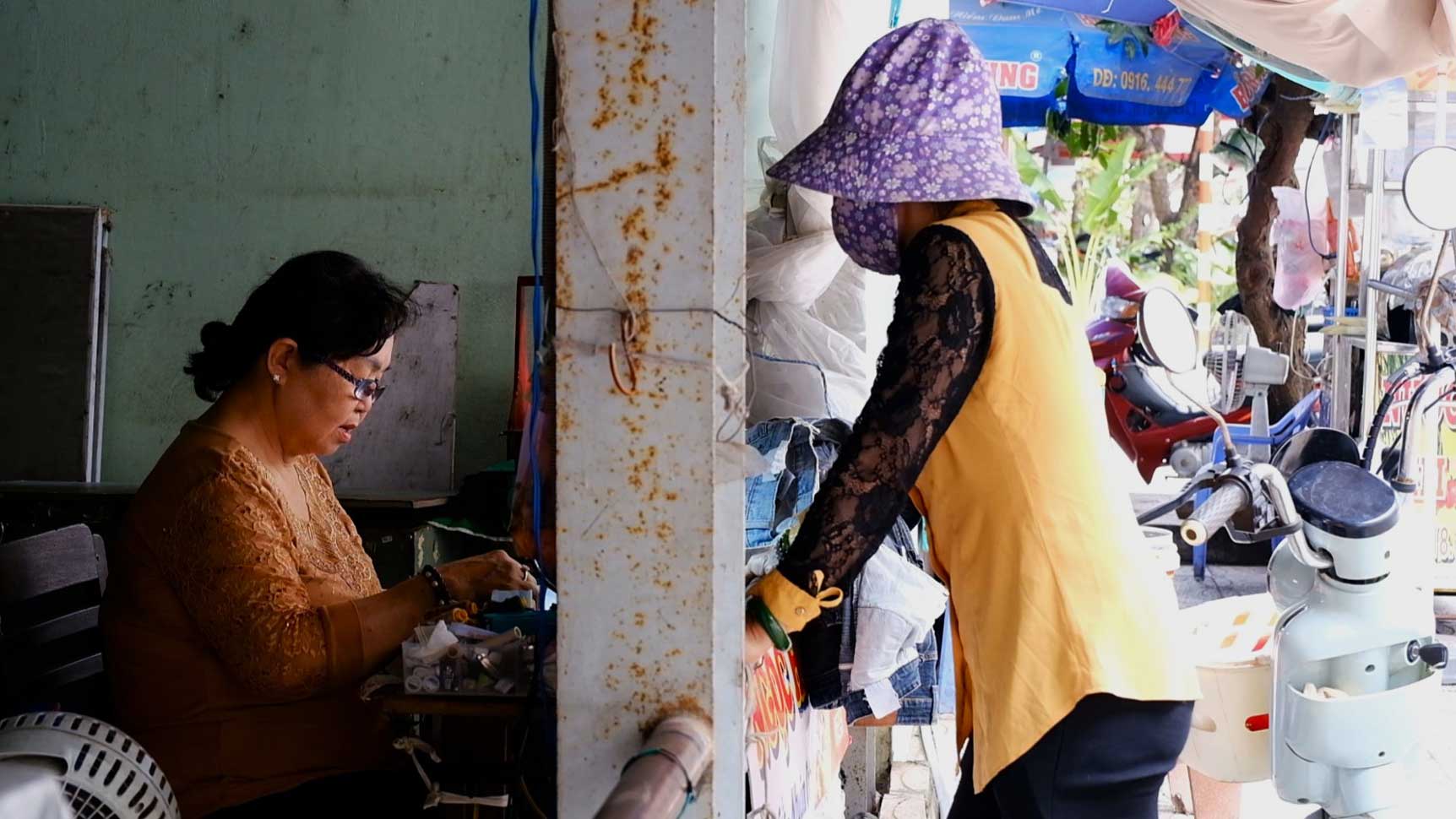
However, before the change of time, veteran workers could not help but feel sad. Ms. Ha shared that in the past this hamlet was very crowded, but now many people have closed stalls and quit their jobs due to economic difficulties or not keeping up with the times.
Seeing colleagues quit, I also feel sad. For me, this is not only about making a living but also a passion, a profession that has nurtured my children to study successfully. As long as I have health and customers, I can still cycle," Ms. Ha expressed.
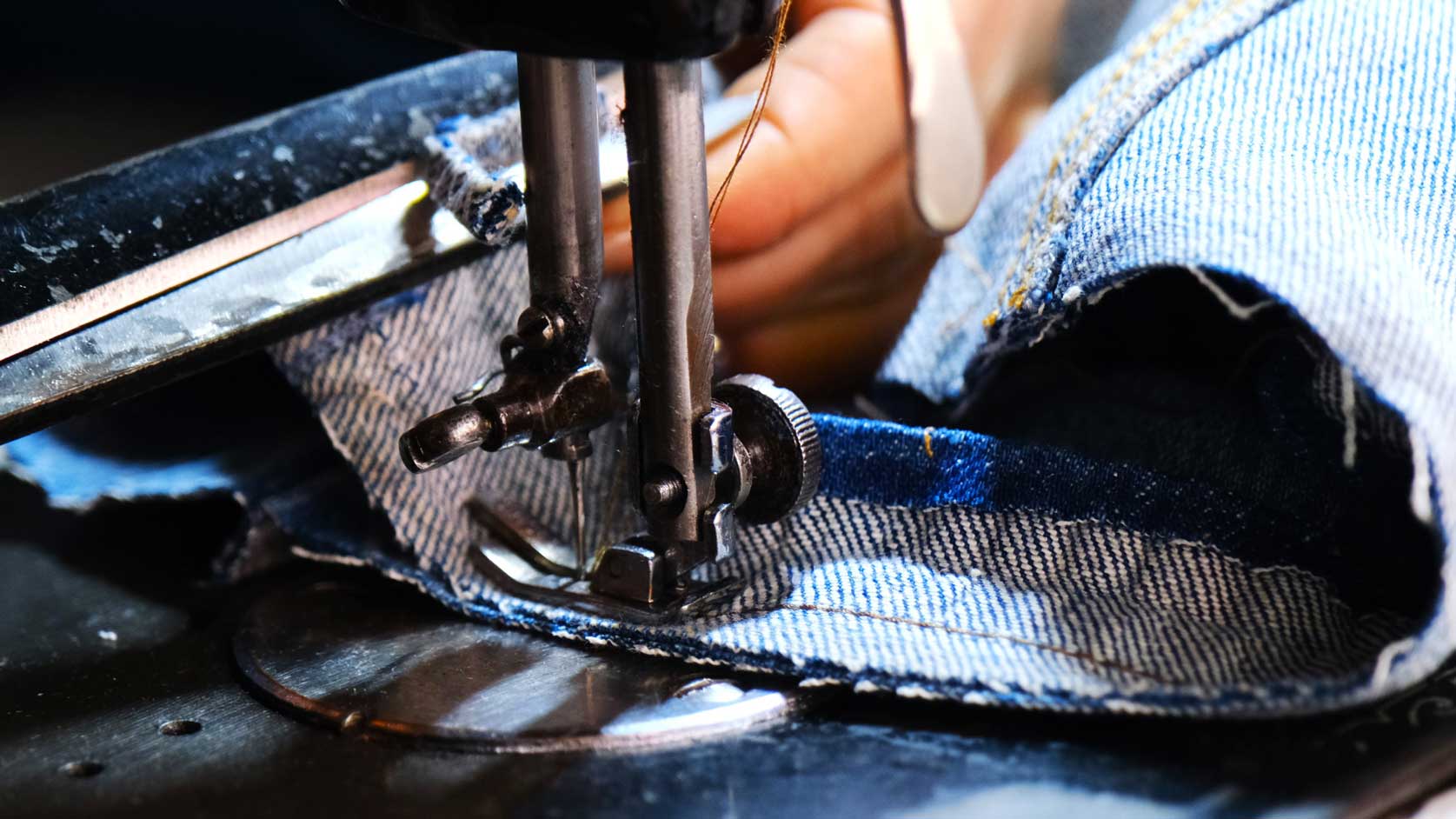
Witnessing the sewing stalls around becoming sparse, Ms. Luu could not help but regret it. However, that veteran worker is still determined to stick with the profession. She confided: "Partly because I am old, partly because this profession has been ingrained in my blood and flesh, so I am very fond of it. As long as customers still trust me, I will still sit by the machine table, meticulously adjusting each item for the people.
Each worker here has been attached to the machine table and needle since their twenties. For them, sewing is "work", the joy of beautifying everyone every spring. The shift lights still light up late every night, adding a diligent stroke to the Tet picture of Can Tho City to be more complete.
It's a bit of a bit of a bit of a bit of a bit of a bit.


