
2026, as warned by many scientists and international agencies, could become one of the most extreme years ever recorded in modern climate history with a high possibility of El Nino returning, increasing concerns that the global climate crisis will continue to accelerate even more.
In the context of extreme heat waves appearing with a higher frequency, artificial intelligence (AI) is emerging as an important tool to help governments, meteorological agencies, hospitals and cities improve response capacity. If the meteorological and hydrological industry previously mainly relied on traditional forecasting models, now AI is opening up a new approach based on big data and real-time analysis capabilities.
AI changes weather forecasting
One of the biggest changes that AI brings to the meteorological and hydrological industry is the ability to integrate and process huge volumes of data from satellites, radars, sensors, climate models and population data.
An important difference is that AI is helping the meteorological industry shift from the "weather forecasting" model to "impact forecasting". Instead of just telling how much temperature will increase, AI systems can assess which areas are at highest risk of heat shock, which population groups are most vulnerable, which hospitals are at risk of overloading, and at which times the risk of death may increase sharply.
According to the United Nations University in Japan, AI is particularly useful in building impact-based early warning systems. This means that technology not only forecasts how the weather will develop but also forecasts what impacts the weather will cause on society.
On May 12, an international research group published a report on the impact of extreme heat waves on human health through a factor model enhanced by the Large Language Model (LLM). The study simulated human reactions to a prolonged heat wave in a virtual society consisting of 100 diverse agents with different levels of vulnerability based on demographics and living conditions. The results showed that AI enhanced by LLM can support identifying behavioral and social mechanisms related to climate resilience, while supporting the development of risk intervention measures and community communication.
AI in the fight against extreme heat
Hot weather is becoming an increasingly serious health risk globally. According to WHO, from 2030, the number of global deaths could increase by about 250,000 people per year due to climate-related health risks such as heat stress, malnutrition related to food insecurity, malaria and diarrhea.
In that context, AI is being used by many countries to predict hospital pressure during extreme heat waves. AI systems have the ability to analyze patient data, predict hospital admissions, identify high-risk areas and support the coordination of medical resources. Thanks to this, hospitals can proactively prepare beds, allocate personnel and activate rapid response mechanisms before the number of heat shock cases increases sharply.
Notable AI systems in this field include GenCast of Google DeepMind, a high-resolution artificial intelligence model that accurately predicts daily weather and the risk of extreme weather conditions up to 15 days in advance.
AI is also supporting scientists to simulate human physiological responses to temperature, humidity, solar radiation and heat exposure time to determine survival limits under extreme temperature conditions. According to The Telegraph newspaper of England on April 8, after re-analyzing 6 extreme heat waves in the period 2003 - 2024 using a new model that takes into account the body's ability to function and self-cool down by age, scientists discovered that all six heat waves appeared during periods when people over 65 years old would not be able to survive if they were outdoors under direct sunlight. Some periods even become dangerous for people aged 18 - 35 if exposed directly to outdoor sunlight.
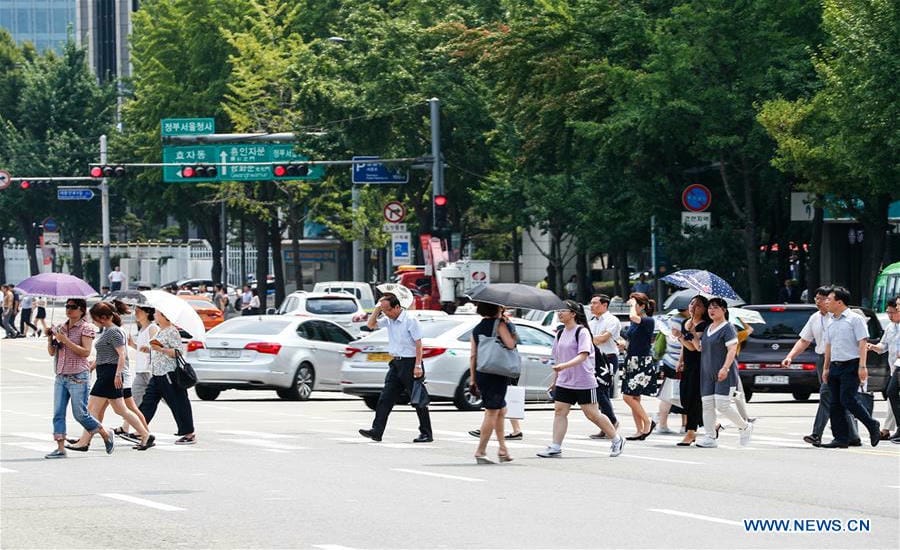
One of the AI platforms that assesses the impact of weather on humans is the Population Thermodynamic Risk Platform model, used by organizations such as Vassar Labs and public health organizations, these AI platforms combine regional weather forecasting with data on demographic vulnerability (such as age and existing diseases) to map neighborhoods and populations at highest risk.
According to the World Meteorological Organization (WMO), integrating AI into existing monitoring and forecasting systems can help National Meteorology and Hydrology Agencies significantly improve their capacity to respond to disasters such as floods, droughts and water resource-related issues.


