It can be recognized that a remarkable movement in recent years has been made in the People's Army Cinema, which is trying to step out of its familiar trajectory, to have explorations in the way of expression in all film categories from feature films to documentaries and science films. According to director, People's Artist Le Thi, after many years of sitting on the judges' board at the film festivals, the documentary and scientific films of the People's Army Cinema have been increasingly updated, closely following the life and construction of the army, many new changes with new language of expression. Many documentaries have paid attention to "decroding" issues that had not been previously mentioned in the field of intelligence activities, or explaining and reducing the success or failure of some battles...
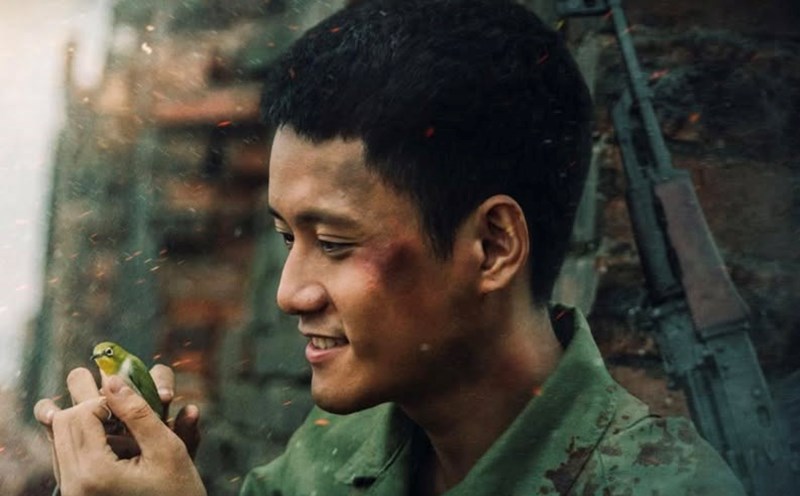
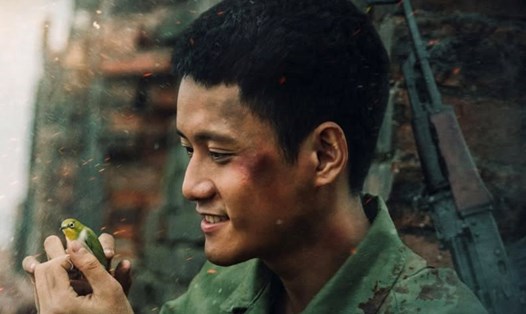
In particular, in the feature film category, revolutionary war films always hold a special position, both carrying historical significance and being under great pressure for innovation. films about war are often expected to be true, solemn, and inspiring. But those expectations sometimes unintentionally create a pressure that many filmmakers have failed to overcome. But in 2025, the People's Army Cinema created a big, memorable milestone with the film "Red Rain" (directed by Dang Thai Huyen).
The appearance of "Red Rain" shows that People's Army Cinema has shifted from historical illustration, to try to dialogue with history in contemporary cinematic language.
Looking back at the Vietnamese revolutionary war films in recent years, there have been good films such as "The Scent of the burning Grass" by director Huu Muoi reaching viewers with stories about the intellectual youth of Hanoi, students who leave the classroom, bringing their ideals and youth to the war. The Legendary Writers by director Bui Tuan Dung are full of epic spirit, honoring collective strength, while Tunnel: Sun in the dark by director Bui Thac Chuyen chose a special combat space to depict the endurance and intelligence of the Cu Chi campaign in harsh conditions. These are all serious films, carefully invested and have created a buzz. However, compared to the above films, Red Rain is more unified, the story is more layered, with a more solid script.
It does not mention war as an art museum but pays more attention to the inner life of people in war with moments of fatigue, fear, confusion, and even imperfect choices. War is no longer just a place to produce heroes, but a space to challenge people to the end.
The war in "Red Rain" does not appear through explanations or epic frames, but through colors, sounds and rhythms. Red is not just a symbol, but a state of prolonged obsession. The rains do not play an illustrative role, but become a psychological factor, making the film space always in a state of agitation and weight.
One of the differences of Red Rain is the way the characters are built. They are not portrayed as complete images, but as specific people with fear, fragility and even very human moments, even from lines that are very "lucrative", rough, honest and also very risky. It makes the soldiers closer and closer to the audience. Humanity - kindness in people is better exploited on both sides and that makes the film emotional for the audience.
World war cinema has long abandoned the Invincible Hero model, to honor people by exposing the price of ideals. Red Rain shows that the Peoples Army Cinema approaches war in that spirit, does not avoid hurt, does not reduce fear, to thereby make the sacrifice more convincing and have more emotional depth. It can be said that Red Rain has shown the fierceness of war, the price that must be paid for peace is stronger than many of our revolutionary war films have ever.
Therefore, "Red Rain" is welcomed by audiences of different ages and social groups, especially young audiences.
The film shows a simple but worth thinking truth: The audience does not turn their backs on history; they are just no longer interested in familiar narration methods. When war is told through feelings, through human reality, viewers are willing to sit back, listen and reflect.
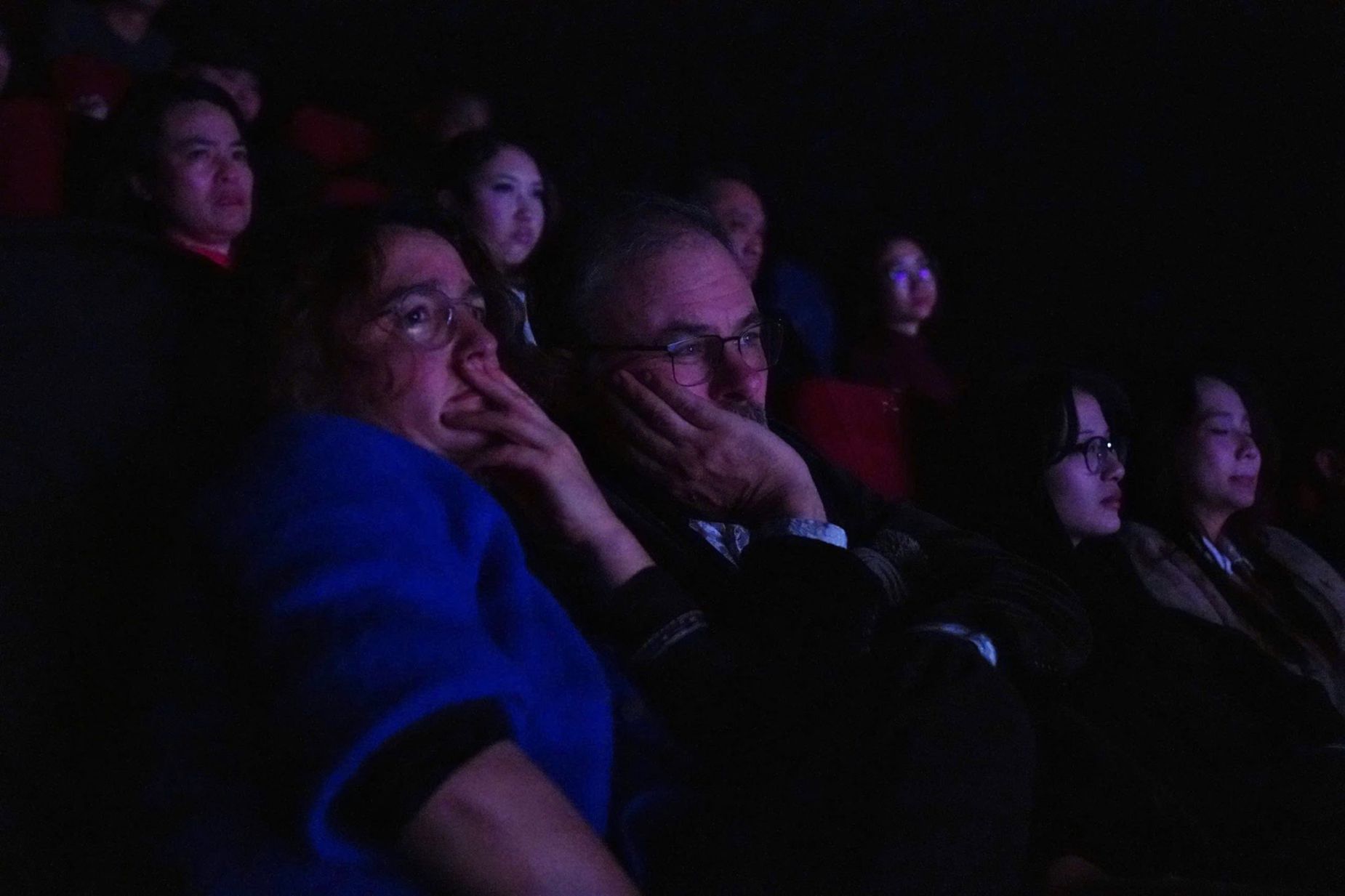
In early December 2025, the People's Army Cinema Group led by female director and screenwriter Thu Dung went to Paris (France) to attend the "Vietnam Cinema - Journey of Light" Film Week. The meeting of "Red Rain" with the Parisian audience at the Pathe Palace theater on the closing night of the Movie Week was touching. Paris audiences are waiting for "Red Rain" and the cinema is packed with people. The audience watched attentively and some people shed tears when watching, a girl wrote on Facebook: "Peace is beautiful and brings pain to life, pain to people, pain to mothers and children"...
From "Red Rain", it can be seen that the People's Army Cinema is facing an important opportunity. With the advantage of documentation, theme and historical depth, if this innovative thinking is maintained, military films can completely become a truly creative space, not just a place to preserve memories.
Entering 2026, the People's Army Cinema focuses on improving the quality of composition, production of documentaries, feature films, and science films, while promoting digital transformation, applying science and technology, improving technical qualifications, filmmaking effects, etc.
Military filmmakers will increasingly focus on exploring new cinematic languages, dialogue with the present with a cinematic language rich in emotions and thinking. With the revolutionary war film genre, People's Army Cinema will make history come alive in today's human feelings.