Art Debris - an art model from debris that is quietly doing that work: Creating livelihoods and opening the door to integration for people with disabilities.
The journey to turn forgotten things into value
Art debris does not start with a grand project or great slogans. It originates from a very simple idea: Taking advantage of debris from garment factories to create handicrafts, while creating jobs for people with disabilities. From seemingly worthless surplus pieces, fabric paintings, bags, wallets, decorations... are born with a different life.
But if it only stopped at the recycling story, Vun Art would not have become a special social model. What makes up the identity of this place is people - disabled students with all kinds of disabilities: hearing impairment, autism, intellectual retardation... Each person who comes here brings their own story and many of them have been used to being at home, living cramped, reluctant to communicate, even feeling self-conscious about their own existence.
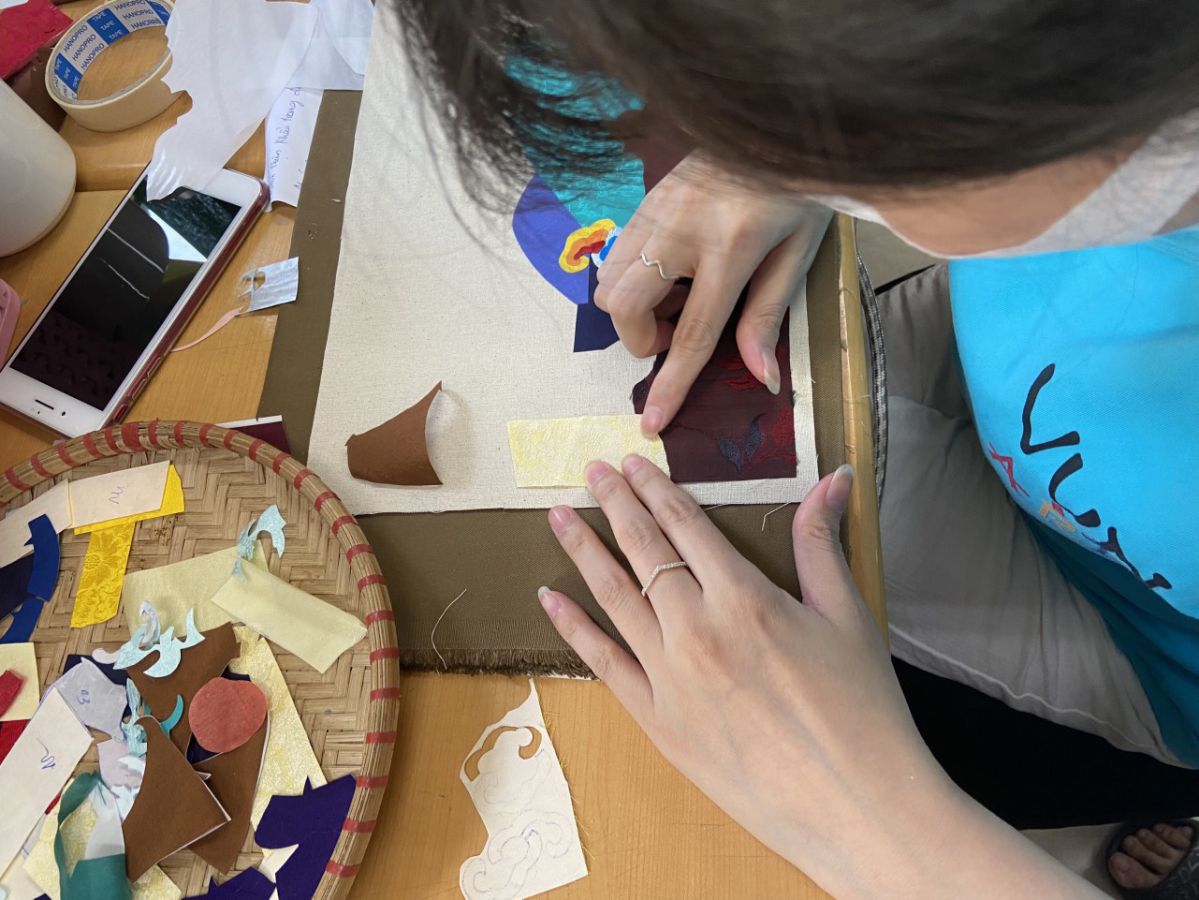
Vocational training is not simply holding hands and guiding. It is a long process, requiring patience and understanding. Some students take several years to master a simple step. Some people do not know how to read or write, vocational training almost has to start from scratch. But little by little, with appropriate methods such as "imitation" training, one-on-one tutoring, students gradually develop skills and can work independently.
More importantly, the atmosphere here is not like a pure factory. It's like a classroom, a small house, where people are not afraid of being wrong, not afraid of being scolded and are always encouraged to try again. Income is necessary, but for many students, what they receive first is the feeling of being useful, being recognized and belonging to a community.
From being only purchased for support as a charitable act, seasonal lychee products gradually find a foothold with their own quality and story behind it. That is also how this model feeds itself: Not only with kindness, but with the real needs of the market.
The person who picks up the "scum" of life
The person behind that journey is Mr. Le Viet Cuong - CEO and also the founder of "Bun Art". He recounted that the initial moment came to him on March 6, 2017, when he met Mr. Nguyen Van Truong, then Deputy Secretary of the Ha Dong District Party Committee. "That day, Mr. Truong sat with me, took pieces of fabric scraps and put them together into a painting and suggested transferring the idea of recycling fabric scraps to create jobs for people with disabilities. I found the idea interesting and decided to try it. That was the moment that created "Bun Art" today" - Mr. Cuong recalled.
The name also carries a very unique philosophy. "Each disabled person here is like a very small piece of debris. But if there is the support of the government, the companionship of organizations, businesses and the community like glue, then those disjointed pieces of debris can be combined into a brighter picture for their own lives" - he said.
The early days were not easy at all. The biggest barrier, according to Mr. Cuong, is not only resources but also the self-consciousness of people with disabilities and suspicion from their families. He shared that many families are afraid that their children will be exploited. Others are reluctant to communicate and lack perseverance. Therefore, for them to believe and stay, a lot of time is needed.
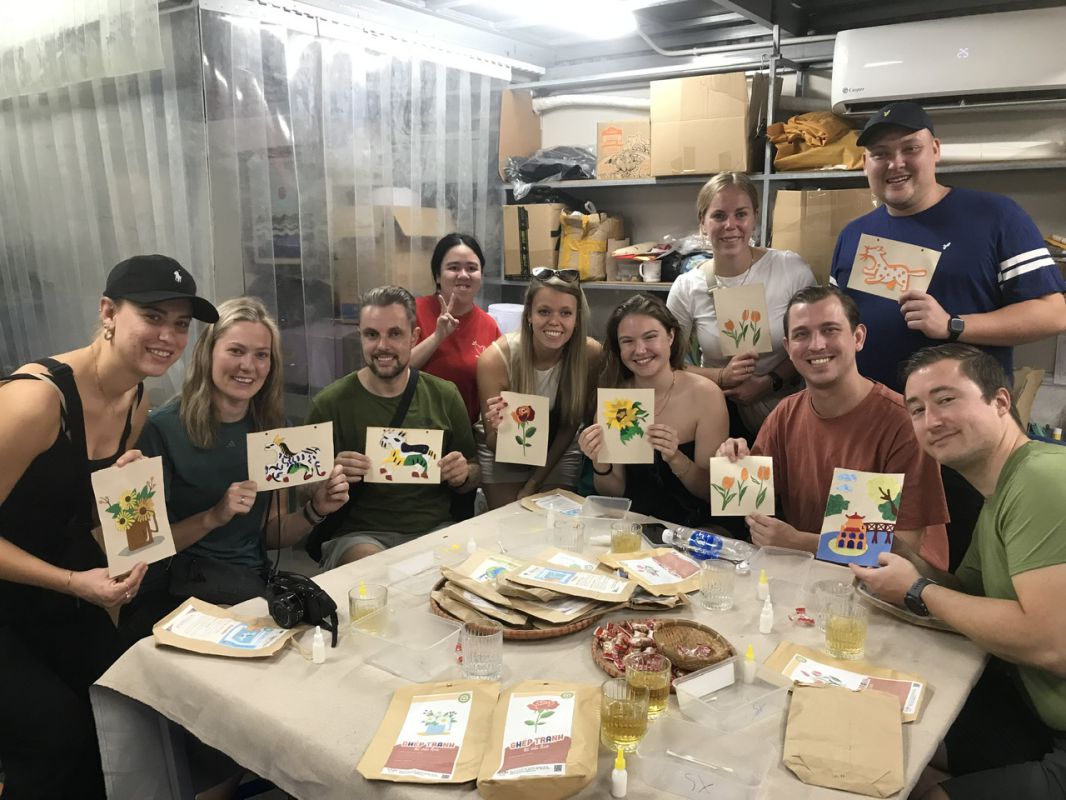
There were times when it seemed like a dead end, especially when teaching vocational skills to students who did not know how to read or write. But it was from those failures that Vun Art found his own way. “We let you sit next to someone who does well to imitate. Only when we can do it independently. Up to now, we have almost no more failures” - Mr. Cuong recounted.
For him, the most important thing that a job brings to people with disabilities, especially in the early stages, is not money but integration and creating livelihoods for the disadvantaged.
Looking to the future, Mr. Cuong does not hide his desire to turn "Bun Art" into a model that can be replicated. In the next 5-10 years, he hopes to have a wider space, package vocational training and production processes to be able to deploy in many other localities, where people with disabilities are in great need of sustainable livelihood opportunities.
Before ending the story, Mr. Cuong sent a simple message: "Only faith can change prejudices. If society believes and gives us a chance, we will turn that belief into value for ourselves, for our families and to reduce the burden on society.
When pieces of fabric are pieced together into paintings, a quieter, more persistent work is taking place: Merging together fragmented lives, so that they can continue on the path of a decent and self-reliant life.
It's a bit of a bit of a bit of a bit of a bit of a bit.
It's a bit of a bit of a bit of a bit of a bit of a bit.