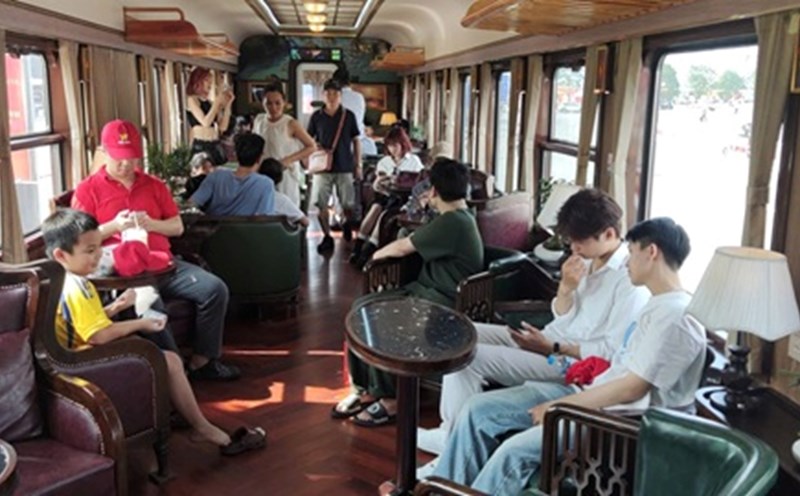
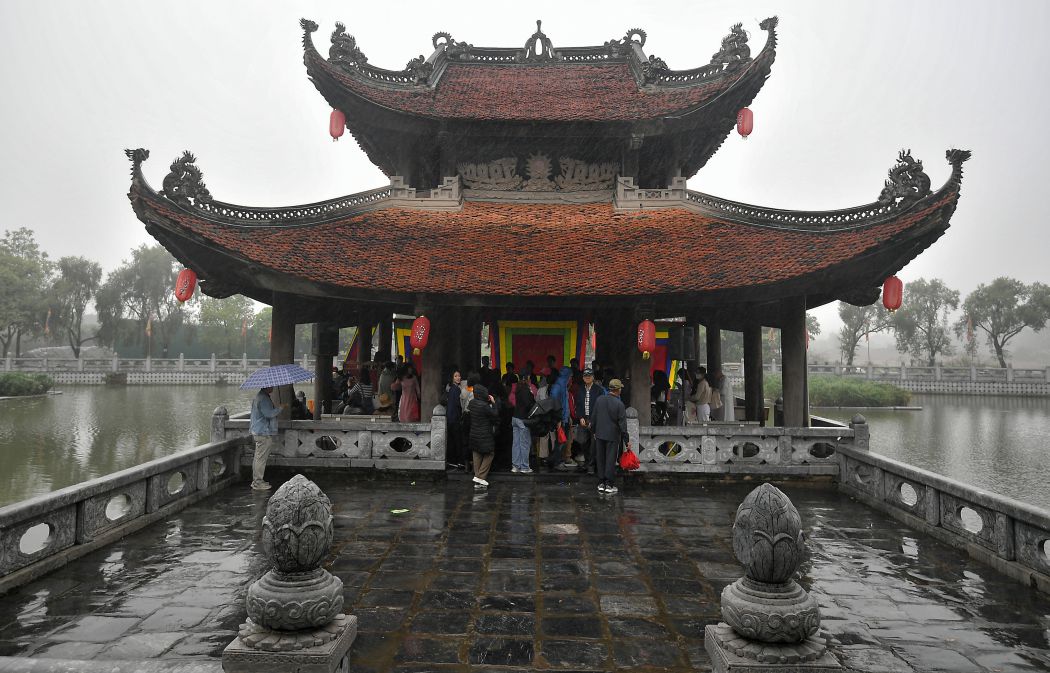
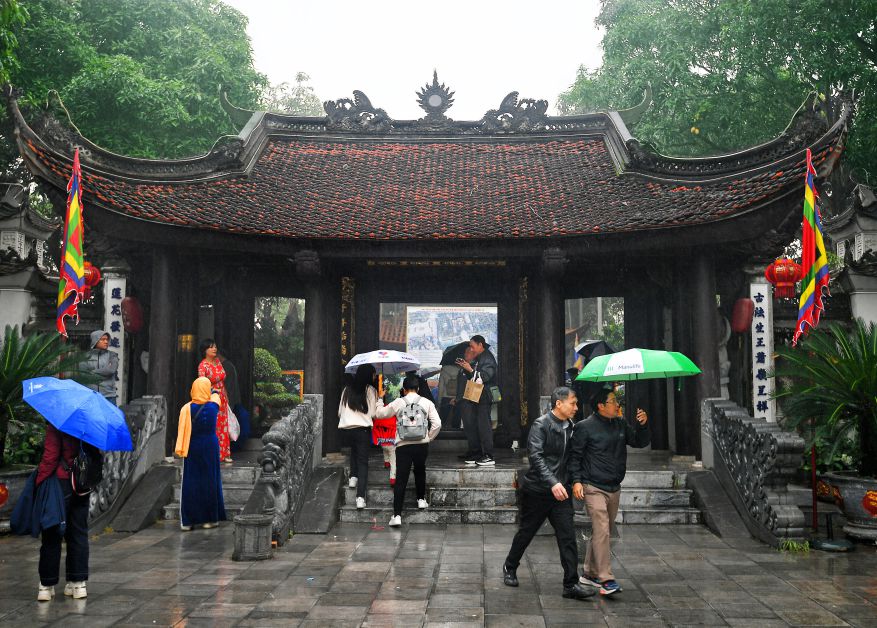
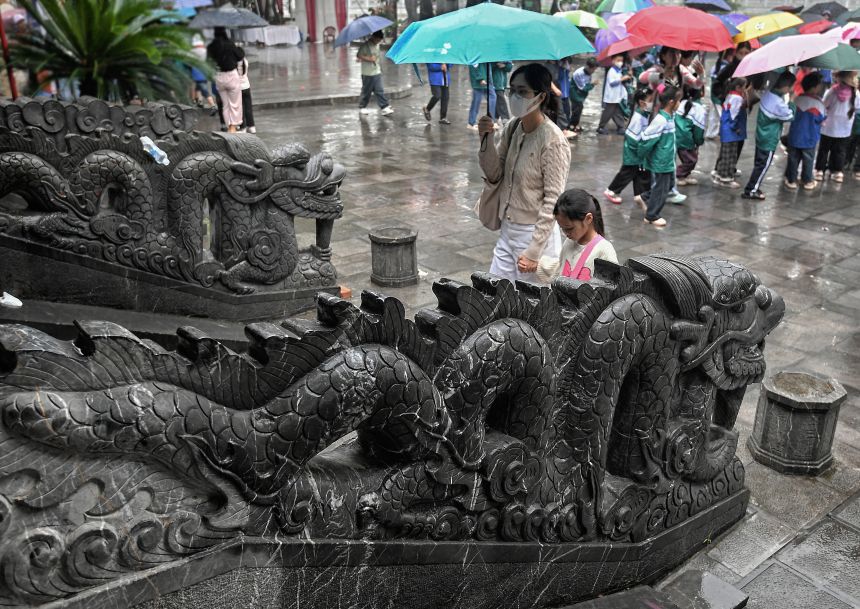
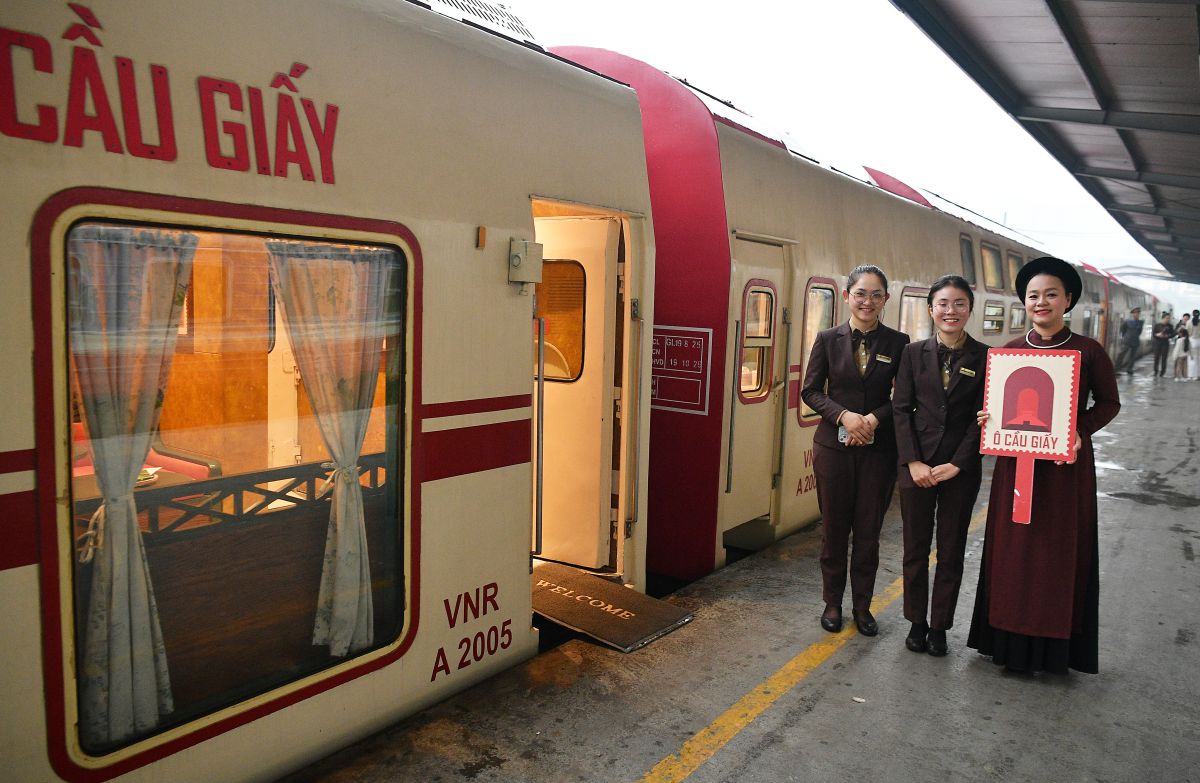
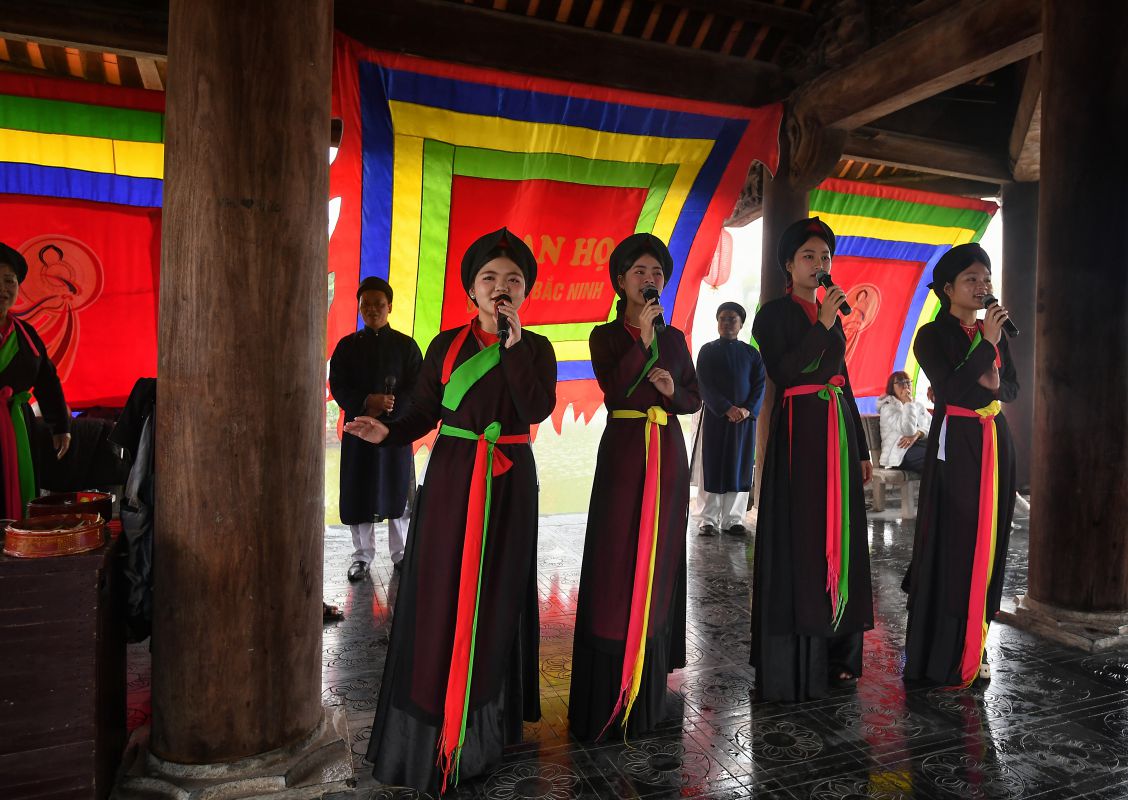
The journey starts from Hanoi Station, taking tourists out of the city center to go to the North, to the land associated with the origin of the Ly Dynasty. When the train stops at Tu Son Station, tourists get off the train, get on the bus to enter Do Temple, where 8 Ly kings are worshiped. Here, visitors burn incense, visit and enjoy Quan Ho singing, before getting on the bus to return to the station to continue the train to Hanoi.
The special feature of this cultural train is not only the destination, but also the journey experience. As soon as the train leaves the station, the narration system begins to guide passengers through familiar landmarks of Hanoi such as: Phung Hung train station cafe area, Dien Bien Phu axis, Long Bien bridge, Duong bridge... These spaces appear not only by glimpses through windows, but are placed in the context of urban history, war and people's lives of the Capital for more than a century.

It's a bit of a bit of a bit of a bit of a bit of a bit.
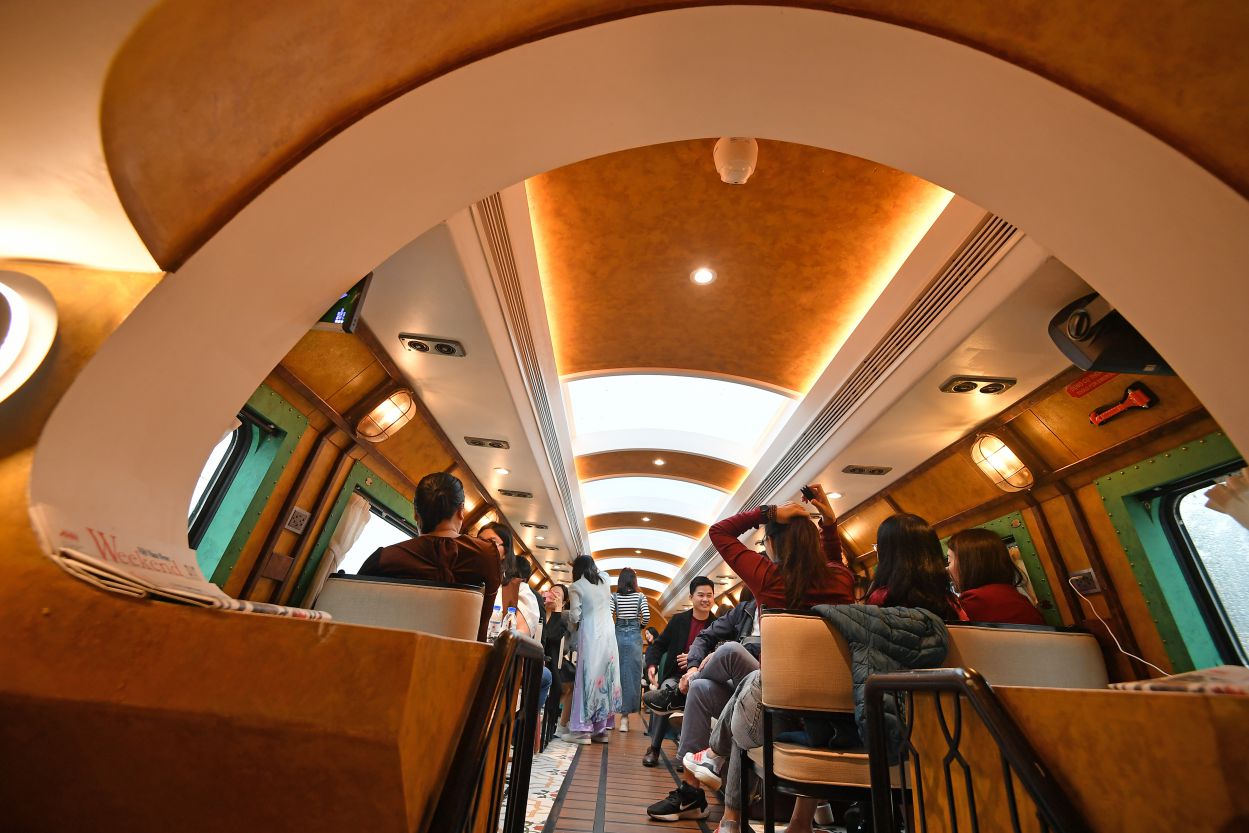
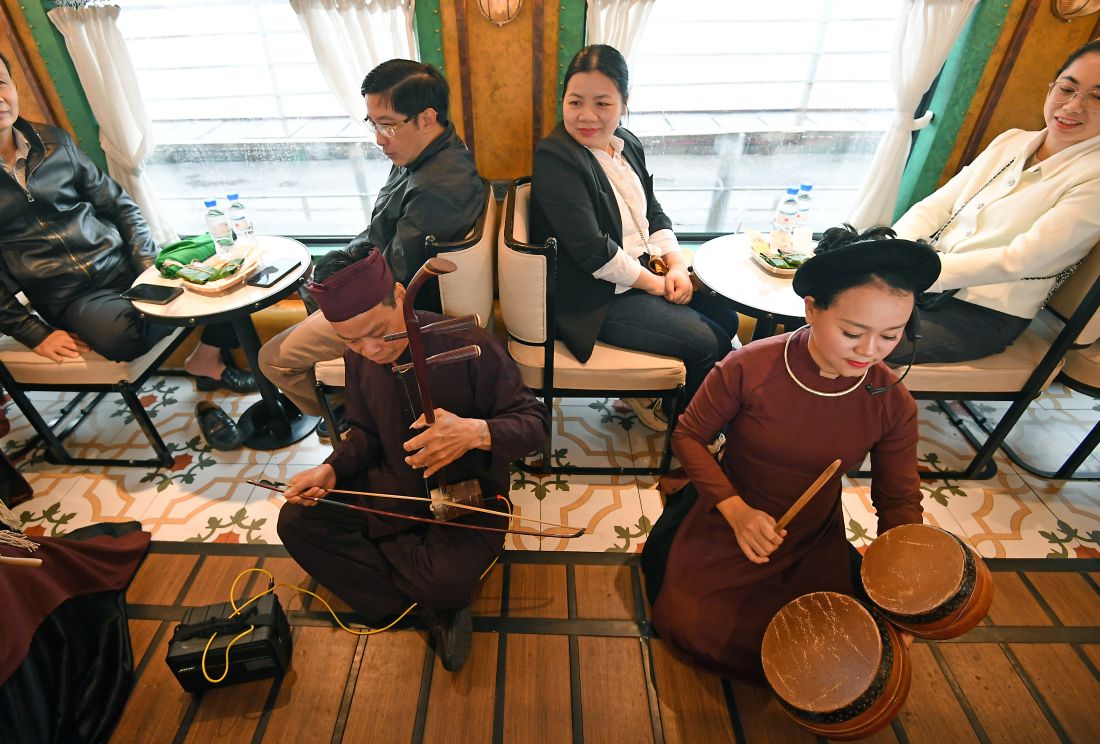
Some traditional art performances such as Xam singing and Cheo singing are performed live on the train, performed by professional artists in the modern train car space, recalling folk melodies once associated with wharves, communal house yards, and rural markets. Music is not only for illustration but also becomes part of the journey, helping passengers feel more clearly the flow of Northern culture while moving. These things make the journey of the train an interesting cultural experience, instead of just moving between locations.
The train shows the potential for connecting transport infrastructure and intangible heritage. When singing Xam, Cheo, and Quan Ho are placed on a specific journey, with destinations, cultural stops, values that seemed difficult to gain a foothold in contemporary life find a natural way of expression.
It's a bit of a bit of a bit of a bit of a bit of a bit.