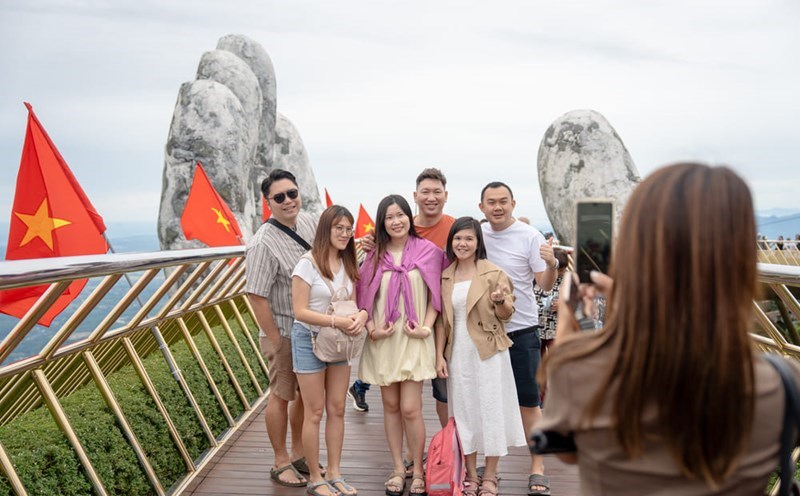
In particular, the locality has identified waste reduction, resource conservation and a set of green tourism criteria as pillars to elevate the Central region destination on the international map.
Link to create a "green value chain"
Da Nang and Quang Nam (old) have long been two bright spots of tourism in the Central region, but each locality has developed in a unique direction. Da Nang stands out with modern infrastructure, high-end accommodation systems, and the ability to organize international-scale events; while Quang Nam (old) makes its mark with its depth of heritage, community tourism and environmental protection initiatives associated with local livelihoods.
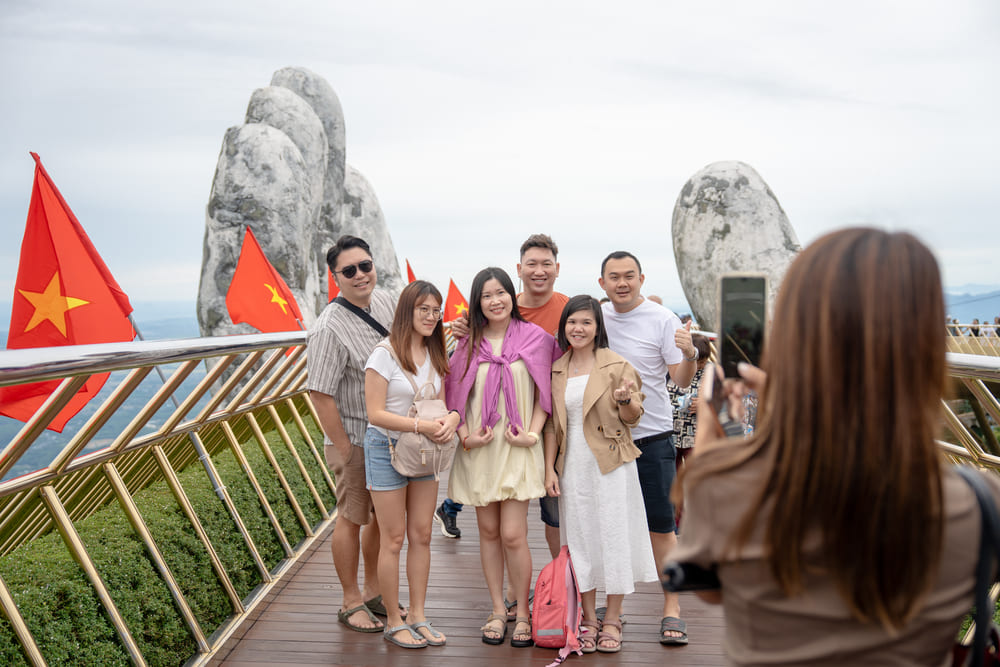

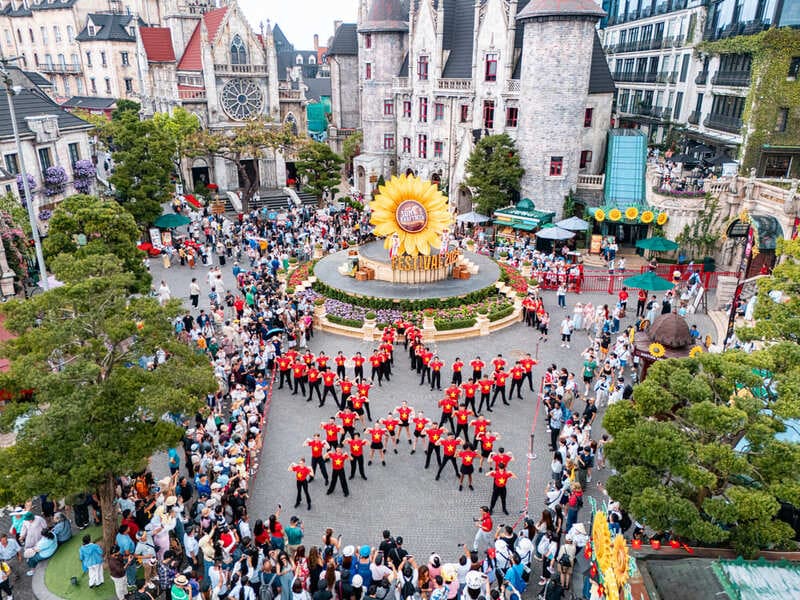
The merger of the two tourism associations is considered an inevitable step. Mr. Cao Tri Dung - Interim President of the Da Nang Tourism Association - said that this is an opportunity to "put pieces in the right position, form a seamless product chain, where visitors can experience both high-class and in-depth cultural and ecological resorts in the same journey".
According to Mr. Dung, instead of disjointed development, the new linkage model allows businesses to participate in a common ecosystem, from accommodation, travel, cuisine to local experiences. A tourist route from Hoi An - My Son - Ba Na Hills - Son Tra is not just a story of travel, but an emotional journey if designed on a green and sustainable platform, he said.
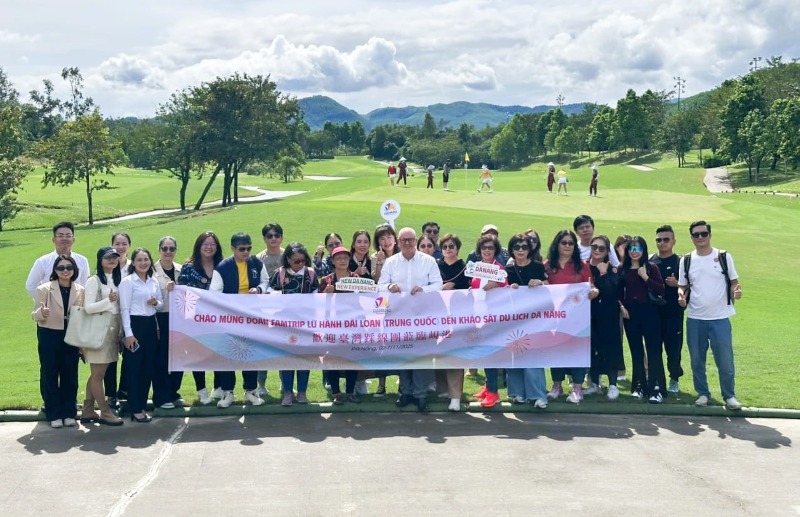
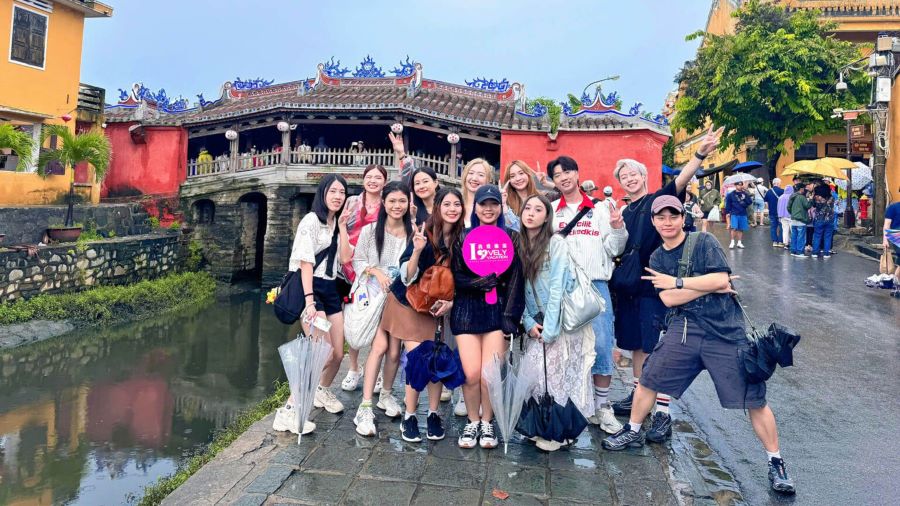
From the perspective of Quang Nam businesses (old), Mr. Phan Xuan Thanh, former Chairman of Quang Nam Tourism Association, acknowledged that a merger is not about sharing market share but expanding the "cake" of tourism. Each locality has its own strengths, but they are all in a common strategy. When green tourism becomes a core criterion, this connection will help Central destinations increase their competitiveness on the international map, Mr. Thanh emphasized.
turned professional from human resources to products
Linking does not stop at the strategic level, but needs to be concretized through professional actions. After the merger, the Da Nang Tourism Association clearly identified two priority pillars: improving the quality of human resources and diversifying green tourism products.
Mr. Nguyen Duc Quynh - Vice President of Da Nang Tourism Association, Chairman of Da Nang Hotel Association - said that in the context of increasingly strict international tourists, the quality of services cannot rely solely on facilities. People are the deciding factor. From governance, operations, to communication skills, cultural understanding and digital transformation - all need to be well-trained, said Mr. Quynh.
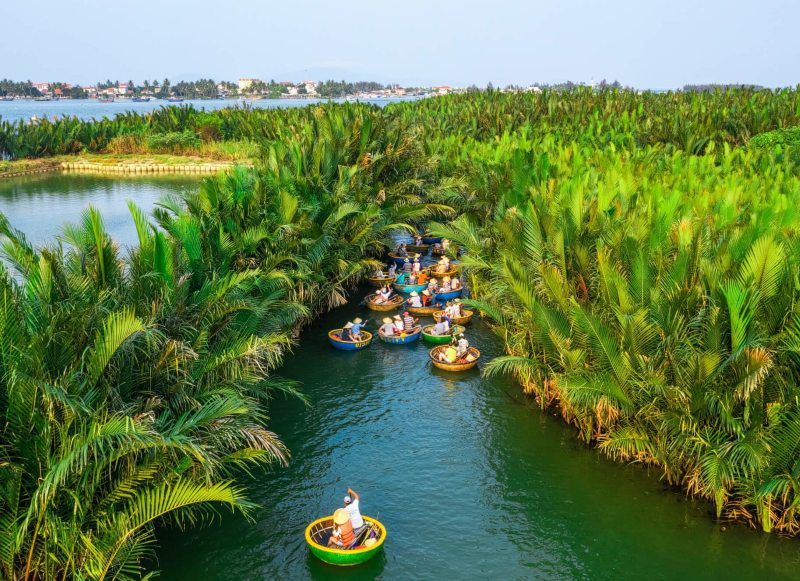
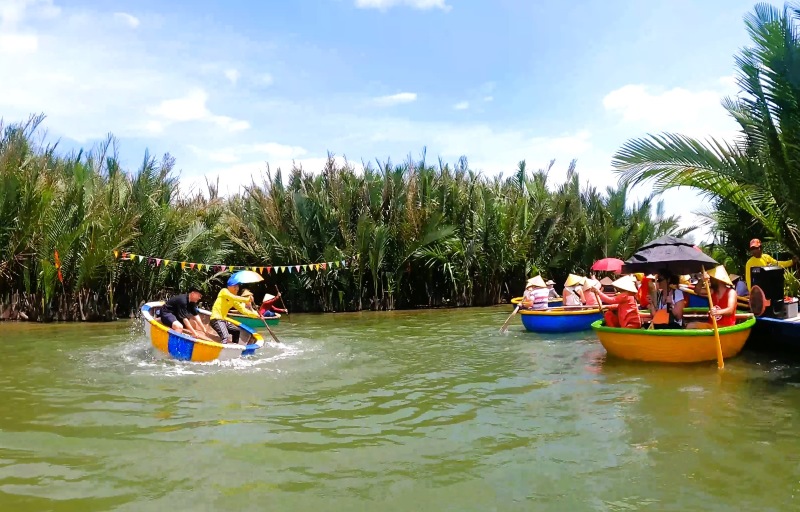
Accordingly, the association plans to coordinate with specialized training units to implement training programs on market governance, sustainable operations, and technology application in tourism. The goal is not only to meet current needs, but also to prepare for new trends such as healing tourism, creative tourism or green MICE.
Along with human resources, tourism products also need to be "greened". Mr. Cao Tri Dung said that the association is calling for investment in models that both create new experiences for tourists and reduce pressure on resources. Todays tourists are not only looking for beautiful places, but also looking for a sense of connection, slow living and being responsible for the environment, said Mr. Dung.
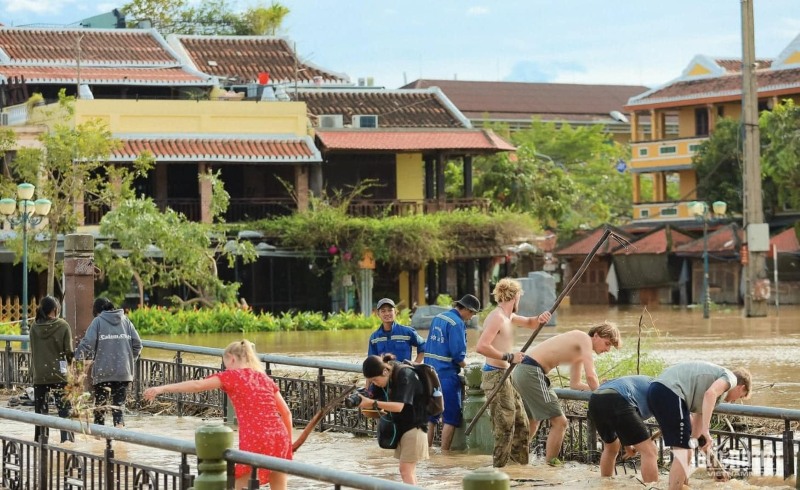
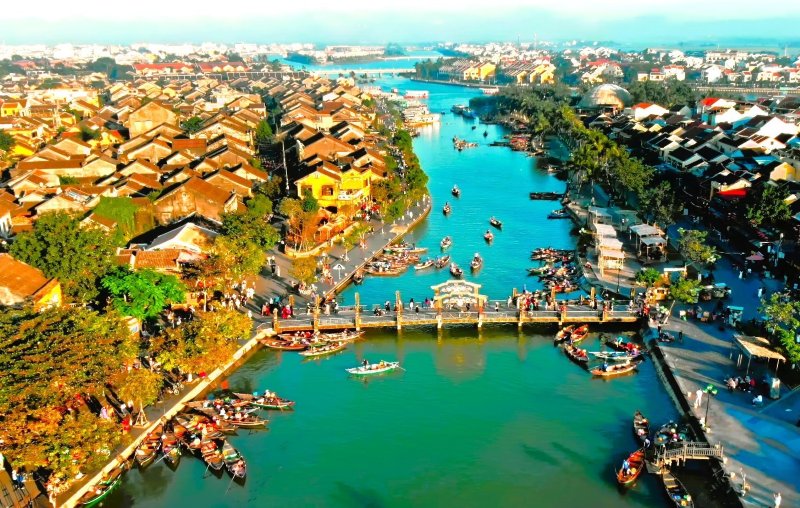
From Hoi An practice, Ms. Linh Chi - Head of Homestay Villa Association - shared that community tourism and small-scale but environmentally friendly accommodation models are increasingly popular. If we expand our connections with Hue, Da Nang can completely form a heritage - resort - cultural triangle, creating a long-term attraction for international tourists, Ms. Chi proposed.
From Hoi An spreads the pillar of green tourism
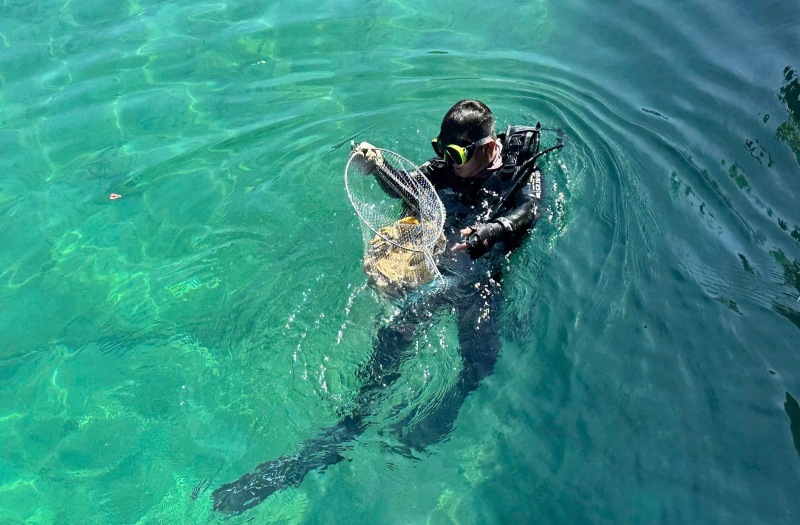
One of the important foundations for Da Nang to develop green tourism is the accumulated experience from Quang Nam (old). Since 2009, the initiative " say no to nylon bags" in Cu Lao Cham has laid the first brick for the sustainable development mindset associated with tourism.
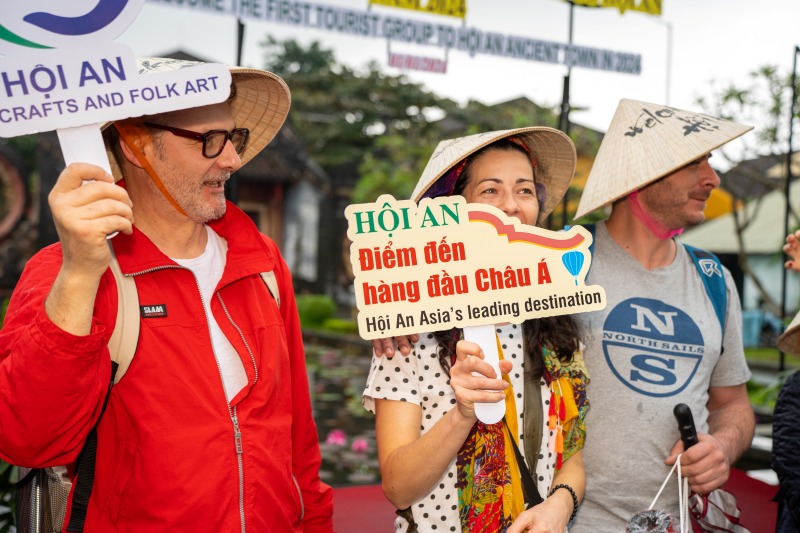
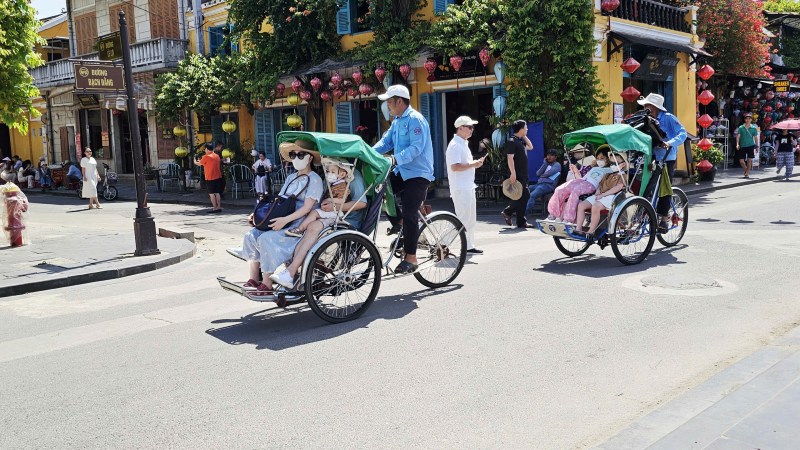
A clearer milestone appeared in 2019, when the Quang Nam Tourism Association launched the message of plastic waste-free tourism. After many years of perseverance, a series of programs have been implemented: Hoi An enterprises committed to reducing single-use plastic, issuing a set of criteria for green tourism in Quang Nam, and replicating waste-free models at destinations.
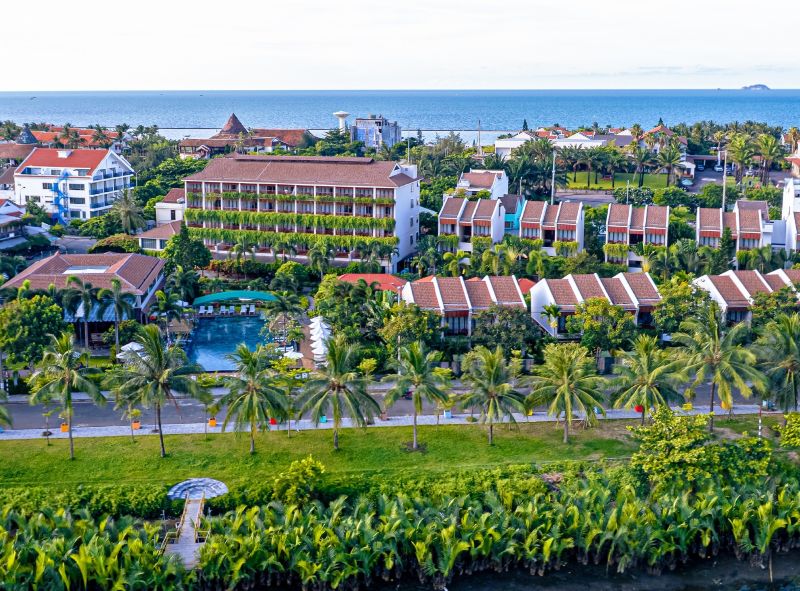
Ms. Ha Thi Dieu Vien, General Manager of Silk sense Hoi An River Resort, shared that the journey to pursue a waste-free tourism is not easy. We have to change from the smallest habits, from internal governance to the way we interact with customers. But in return, businesses are recognized by international certificates and the trust of tourists, said Ms. Vien.
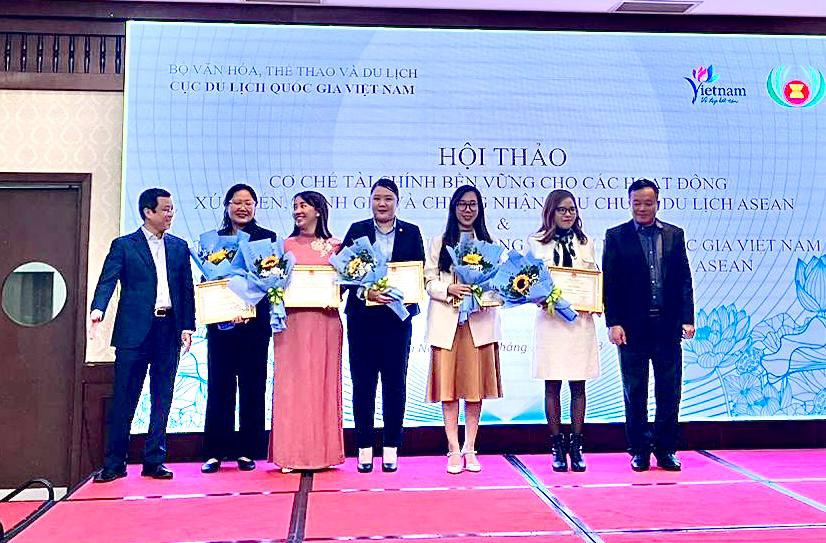
According to Mr. Phan Xuan Thanh, pioneering models in Hoi An have created great inspiration for the business community. This is a very valuable intangible asset. When Da Nang inherits and develops, green tourism is not only a slogan but becomes a real competitive advantage, said Mr. Thanh.
At the macro level, Ms. Quach Thi Xuan - National Director of the Vietnam Pacific Environment Organization - warned that plastic waste is eroding the image of the destination. "If not taken promptly, beaches or heritages can become garbage collection points. The birth of the waste-free tourism network is a strategic step forward to protect the Vietnamese tourism brand, Ms. Xuan emphasized.
Maintaining and upgrading green tourism criteria
One of the big questions after the merger is the fate of the Quang Nam Green Tourism Criteria set. For many businesses, this is not only a set of technical regulations, but a "compass" for sustainable development.
Mr. Le Quoc Viet - Director of Santa Sea Villa Hoi An Hotel - said that the set of criteria needs to be maintained and spread. We clearly see the effectiveness of the application: reduced operating costs, improved business image, and more positive customer reviews, Mr. Viet shared.
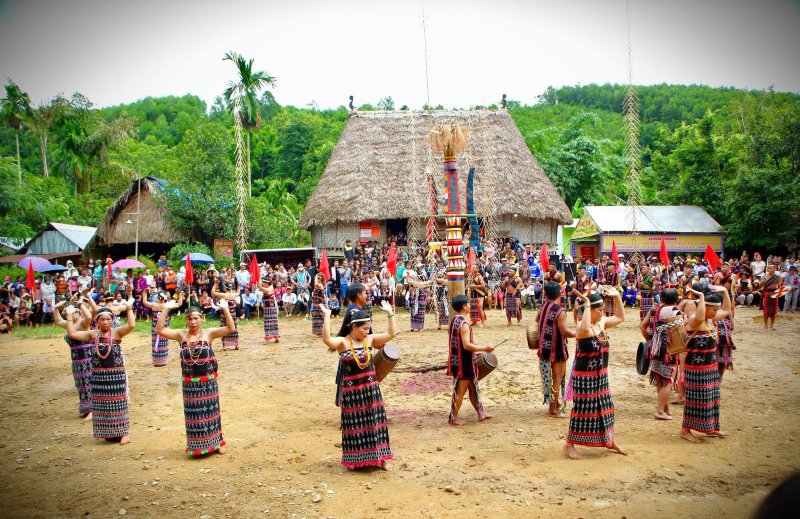
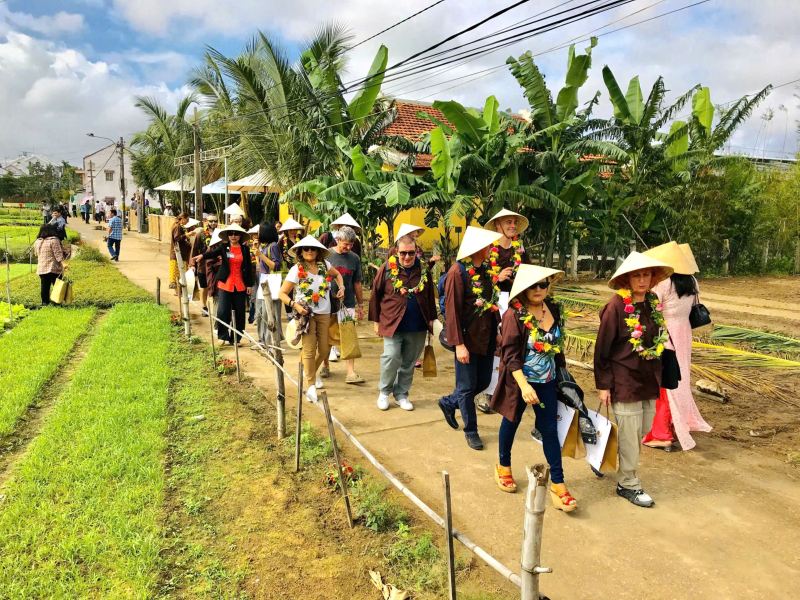
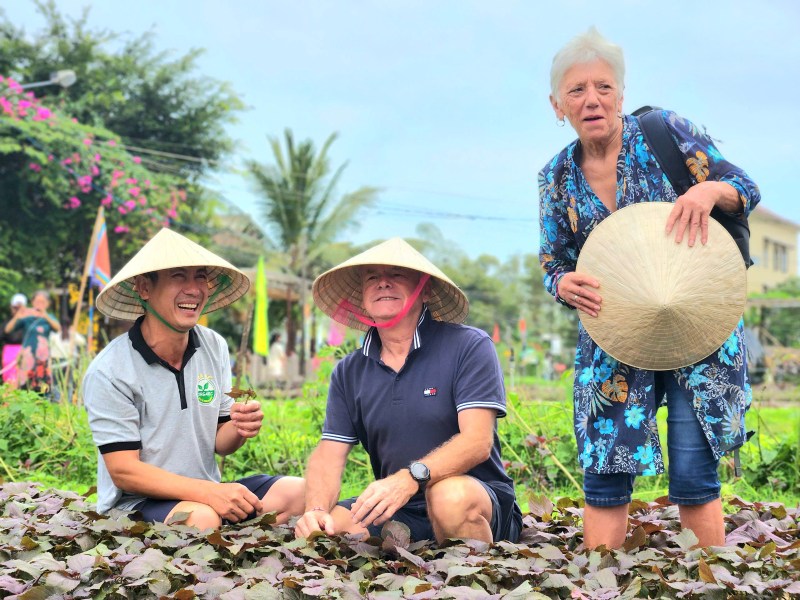
According to Mr. Cao Tri Dung, the Da Nang Tourism Association has agreed to inherit all of these criteria, and at the same time considered adjusting them to suit the new space. Green tourism in Quang Nam is a very strong segment, and we consider this a pillar in the tourism development strategy of Da Nang in the coming period, Mr. Dung affirmed.
On the management side, Mr. Van Ba Son - Deputy Director of the Department of Culture, Sports and Tourism of Da Nang - said that the department supports the continued implementation of the set of criteria and proposes to maintain cooperation with international projects to upgrade standards towards approaching GSTC. "The goal is not only to encourage businesses to participate, but also to build a long-term support mechanism for green community tourism by 2030", Mr. Son said.
From regional linkage, resource specialization to spreading green values, Da Nang is facing the opportunity to shape a new tourism development model. If the existing foundation is well utilized and steadfast in the sustainable path, green tourism is not only a trend, but will become the " core brand" of the city in the next development stage.