
Diabetes is increasing and creating a heavy burden on health. According to experts, in addition to weight control, a scientific diet is one of the factors contributing to supporting stable blood sugar control without having to abstain from negativity.
| Activity factors | Medical benefits |
|---|---|
| Prioritizing unsaturated fats in appropriate amounts can help build a balanced meal. | |
| Burns glucose in muscles, supporting improved insulin sensitivity. |
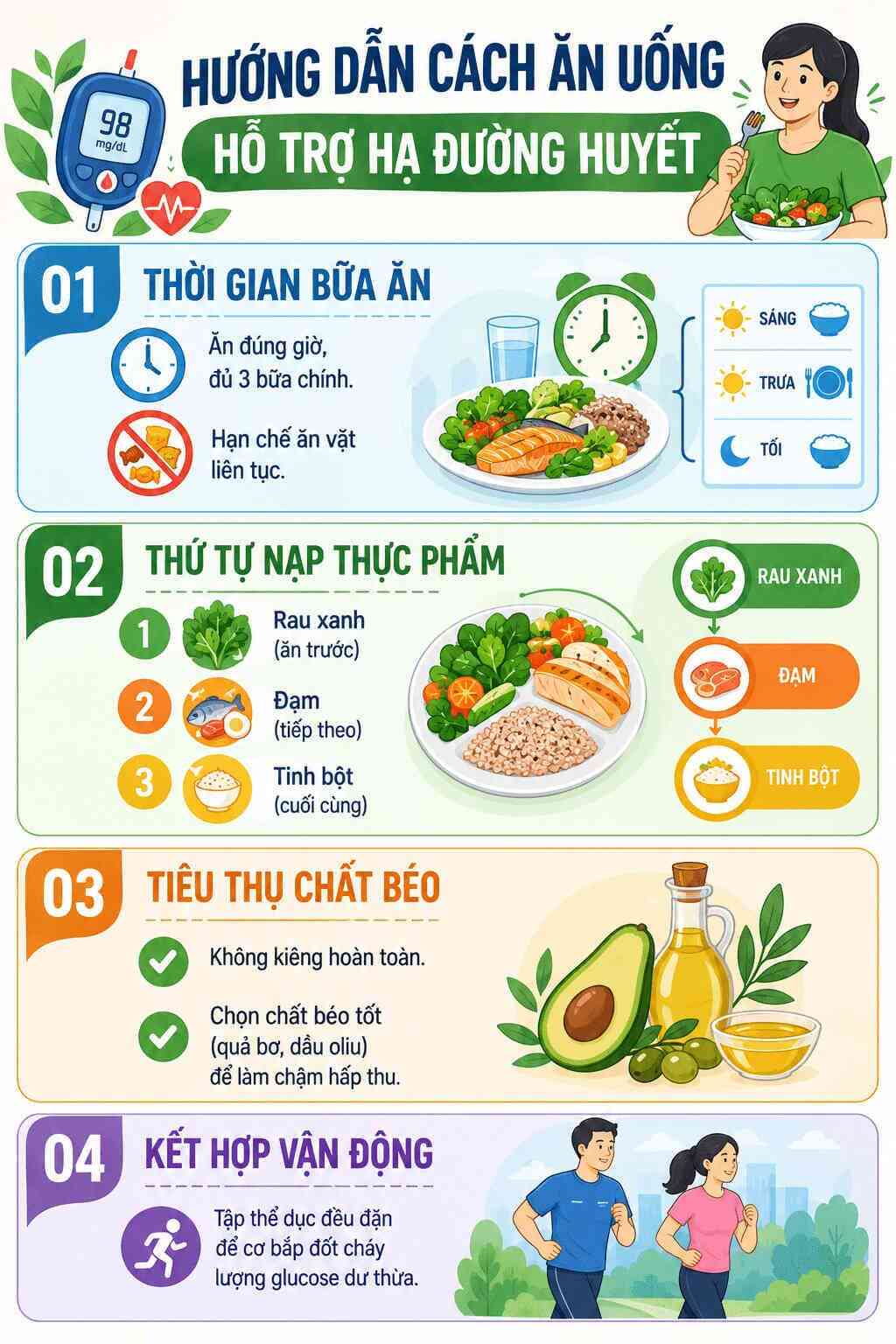
Applying 3 principles of scientific eating
To support lowering blood sugar, patients can apply three core factors in their daily meals:
First, you need to eat on time and on a regular basis. Instead of dividing too many small meals to stimulate the body continuously, maintaining three main meals and limiting snacks can help stabilize blood sugar levels.
Second, adjust the order of food consumption. Prioritizing green vegetables first, followed by protein-rich foods and finally the carbohydrate group (rice, noodles) can contribute to slowing down the increase in blood sugar after meals.
Third, fat should not be completely cut off. Combining a good amount of fat (such as avocado, unsalted nuts, olive oil, salmon) with starch can slow down the process of emptying the stomach, supporting the slower absorption of sugar.
Combine exercise to increase insulin sensitivity
Besides eating, exercise plays an essential role. Muscles consume a large amount of glucose when active, so regular exercise can help improve insulin sensitivity. People with abnormal blood sugar levels need to follow a doctor's regimen, absolutely do not arbitrarily stop taking medication or abstain excessively.
The information in the article is for reference only, not for medical diagnosis or treatment. You should talk directly to your doctor for accurate and appropriate advice to your health condition.
Q&A corner: Safe nutrition for people with diabetes
To help lower blood sugar, can patients completely replace white rice with vermicelli in main meals?
Dong noodles should not be considered a food that can comfortably replace white rice. Dong noodles still provide carbohydrates and can increase blood sugar after eating. The level of impact on blood sugar depends on the type of product, serving, processing method and accompanying foods. People with diabetes should control the amount of carbohydrates in their diet, and prioritize fiber-rich foods and whole grains such as brown rice and oats when appropriate. The diet needs to be individualized according to health conditions and treatment regimens.


