
Slow down the rate of blood sugar spikes after meals
Refined white rice has a relatively high glycemic index. After eating, the starch in rice is digested and converted into glucose, which can cause blood sugar to rise rapidly. In older adults, the ability to regulate blood sugar can decrease with age, so major changes after meals need to be limited.
Reducing white rice intake, while accompanied by green vegetables and a suitable source of protein, can help slow down carbohydrate absorption, thereby supporting more stable blood sugar control.
Supports improving insulin sensitivity
Regularly consuming a lot of refined carbohydrates may not be beneficial for blood sugar control. Instead of relying too much on white rice, a diet can be balanced with whole grains, green vegetables and quality protein sources.
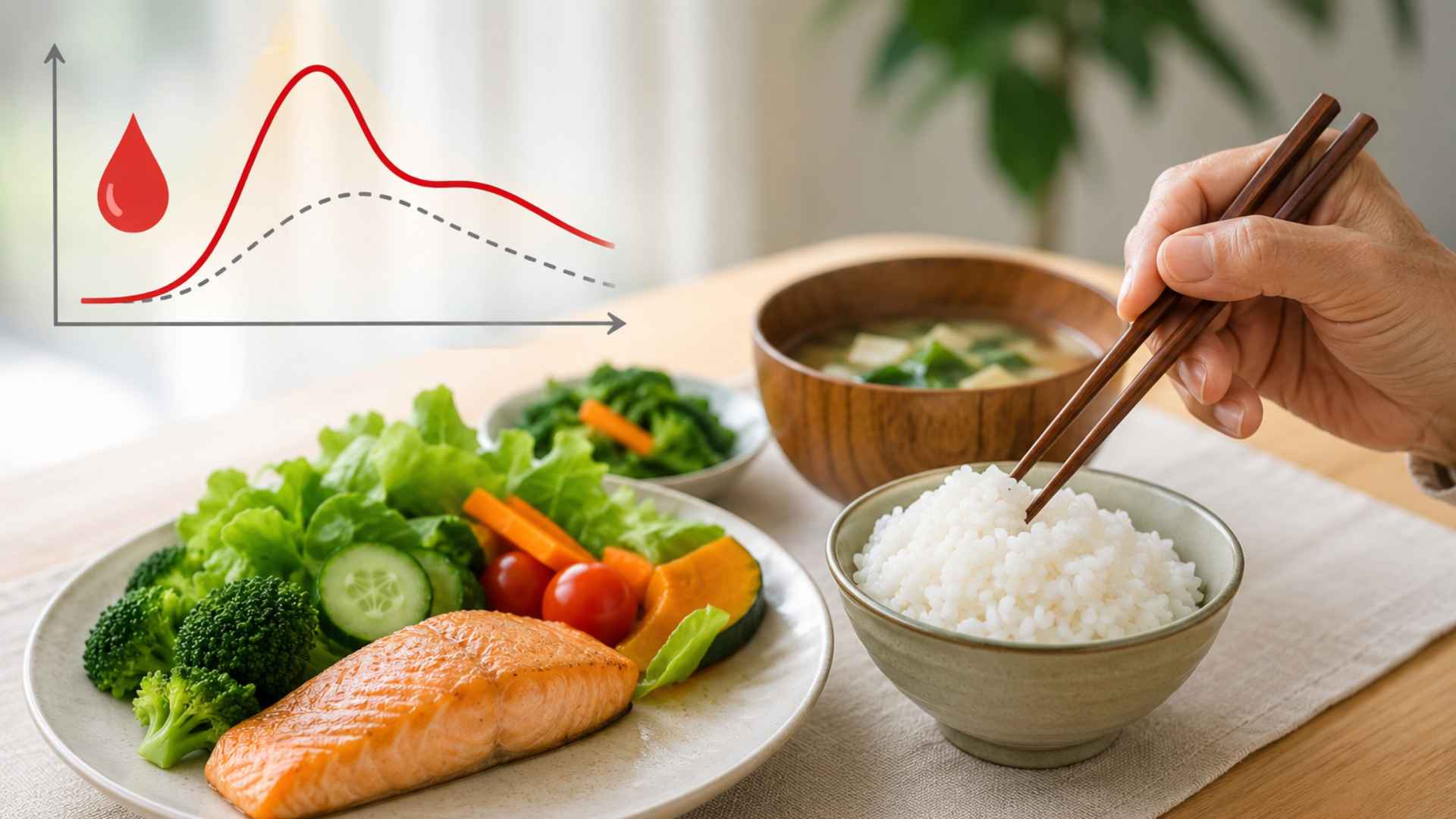
This adjustment method helps the body have a more diverse source of nutrients and can support improving insulin sensitivity, thereby helping cells use glucose more efficiently and maintain metabolic health.
Limiting the impact of glycation
When blood sugar is regularly high, glucose can bind to proteins and promote glycation, creating final glycation products (AGEs). The accumulation of AGEs is related to aging and many health problems.
Controlling white rice portions, combined with a balanced diet and maintaining stable blood sugar, can contribute to limiting the formation of AGEs. This is also one of the factors that helps protect blood vessel health and supports slowing down the adverse effects of the aging process.


