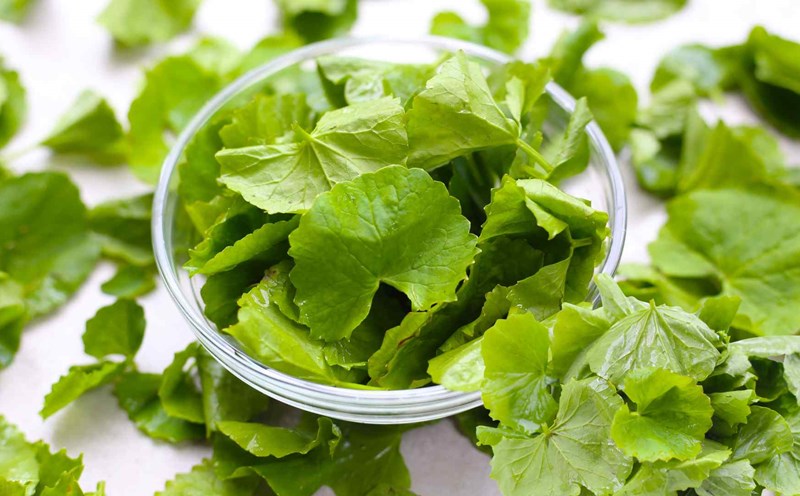
Spinach
Spinach is one of the green leafy vegetables rich in nutrients, providing vitamin K to support strong bones, vitamin A good for eyesight and folate necessary for cell regeneration. In addition, this vegetable also contains a lot of vitamin C that helps boost immunity and magnesium - a mineral involved in biological reactions, including muscle and nerve functions.
Combining spinach with foods rich in vitamin C such as citrus fruits or tomatoes can help the body absorb iron better. In addition, plant compounds such as carotenoids and polyphenols in spinach also have antioxidant and anti-inflammatory effects, support vision and contribute to reducing the risk of some chronic diseases.
This vegetable is very versatile in processing, can be used as smoothies, mixed into sauces or sandwiches.
Mustard greens
Green mustard greens provide a lot of vitamins K, A, C, folate along with fiber and plant protein. The characteristic slightly bitter taste of this vegetable comes from glucosinolate compounds, which when chopped or cooked will be converted into substances that can support cancer prevention.
Rainbow cabbage
Rainbow cabbage is rich in minerals such as calcium, potassium, magnesium, phosphorus, and vitamin C and folate. In particular, the colorful stem contains a variety of polyphenols - antioxidant compounds that help protect cells.
Stir-frying or light steaming is a suitable preparation to soften the texture, reduce bitterness while still retaining most of the nutritional value.
Kale
Kale is a rich source of vitamins K, C, A, fiber and strong antioxidants. Compounds such as lutein and zeaxanthin in kale are especially beneficial for eye health, and also help protect cells from oxidative stress.
You can easily add kale to your diet by adding it to soups, stews or stir-fries, both enhancing the flavor and enhancing the nutritional value of the meal.