
From a medical nutrition perspective, not every type of meat is harmful to people with high uric acid. This article will summarize 3 types of meat that you can consider including in your diet, both supporting essential protein supplementation, and can support controlling uric acid levels when combining a suitable diet and lifestyle.
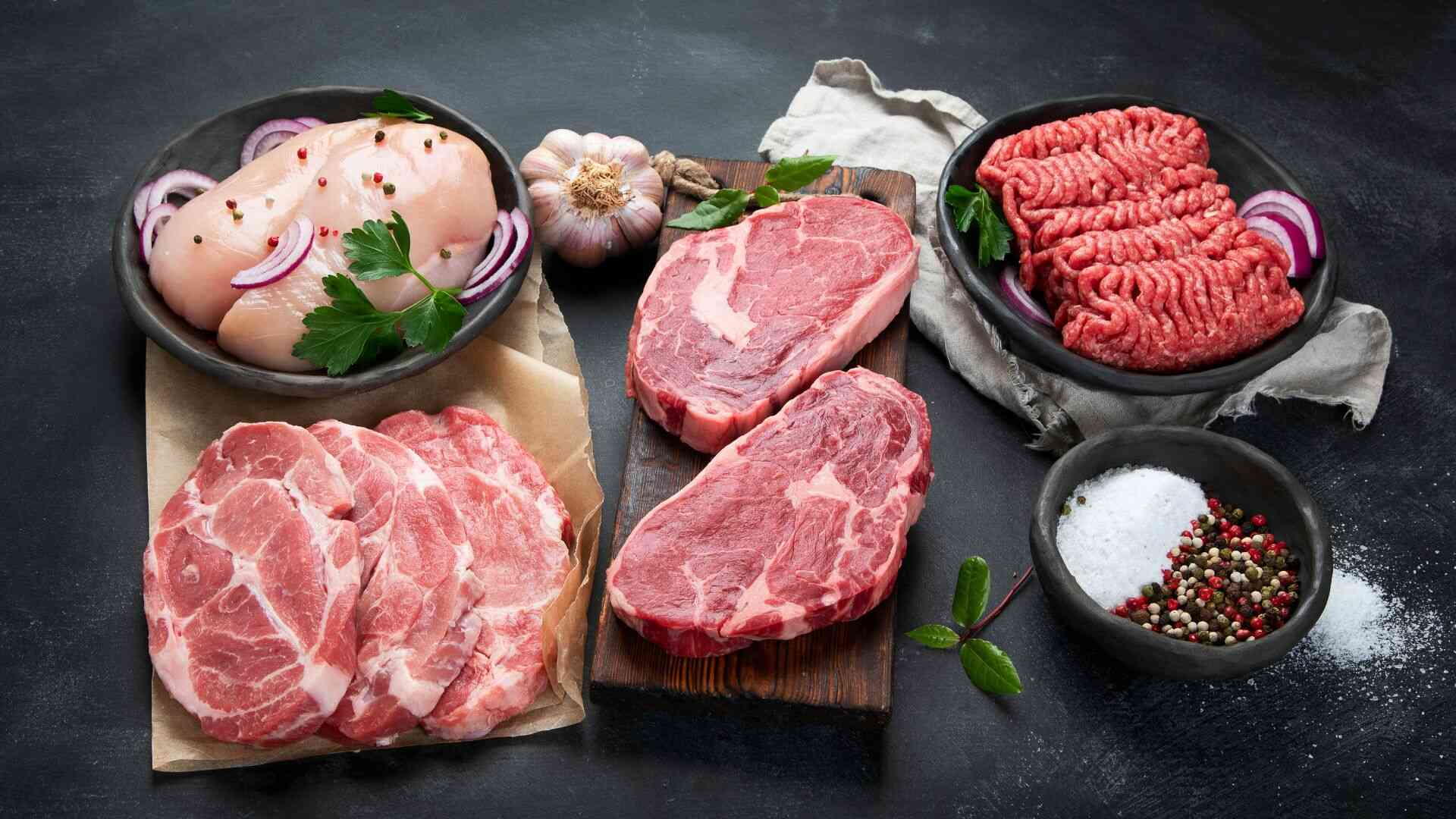
Can people with high uric acid eat meat?
According to data from the US National Institutes of Health (NIH), about 80% of purine in the body is synthesized from endogenous sources, and only about 20% actually comes from diet.
Therefore, people with hyperuricemia do not necessarily have to completely abstain from meat. Instead, you should prioritize lean meats (such as pork tenderloin, chicken breast, lean beef), as they tend to contain less purine than viscera or seafood.
Besides, the processing method plays a very important role: boiling, steaming or stewing allows a part of purine to dissolve into the boiling water, so low-fat processing methods are often preferred over frying at high temperatures.
People with high uric acid can still maintain eating meat with a reasonably controlled diet to provide enough nutrition without increasing the risk of acute gout attacks.
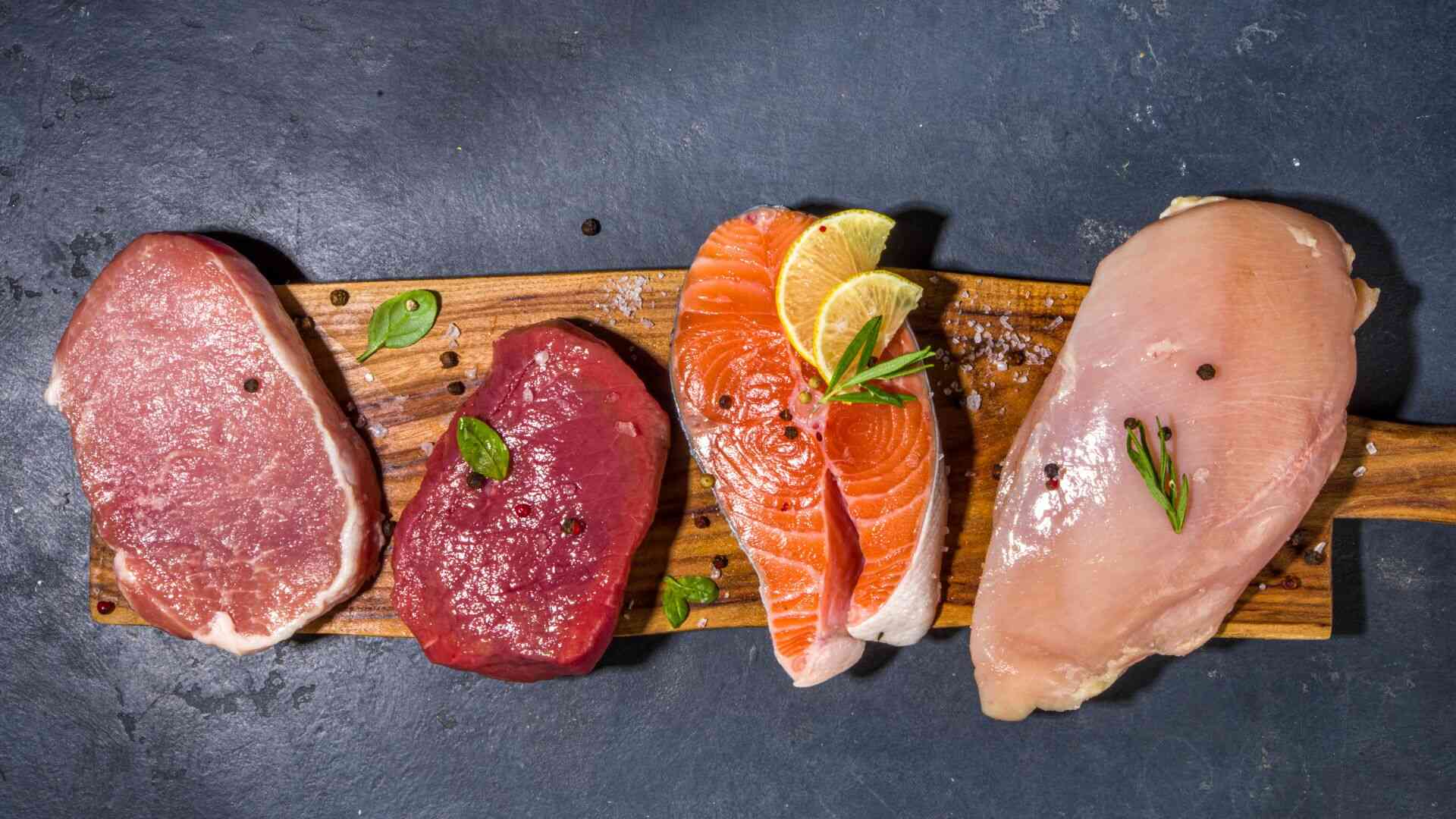
Listing 3 types of meat to support people with high uric acid
It is important for patients to choose suitable foods and control portion sizes. Here are 3 more safe meat groups that you can consider:
Comparison table: 3 types of meat to support people with high uric acid
| Type of meat | Purine level | Nutritional advantages | Notes on preparation & Servings |
|---|---|---|---|
| Average - Low | Provides essential protein and iron, supporting the maintenance of energy for the body. | Consume about 45-70g/day. It is necessary to completely filter out fat and tendons to avoid consuming saturated fat. | |
| Low | Lean protein sources, less saturated fat than many types of red meat, contribute to reducing the metabolic burden on theliver and kidneys. | ||
| Average | Some freshwater fish may contain lower purines and provide a more easily digestible source of protein than some seafood. | It should be processed in steamer or soup form. Limit sipping a lot of broth because purines can dissolve in water. |
Lean meat
Lean meat is often a safer option than animal or seafood organs because it contains lower amounts of purines. Meats such as pork tenderloin, lean beef, or chicken tenderloin can be used in the diet of people with hyperuricemia, as long as consumption is reasonable (about 45–70g/day).
Poultry
Poultry meat such as chicken, duck or goose is a rich source of protein but tends to be less fatty than red meat, contributing to reducing the metabolic burden on the body.
In particular, skinless chicken breast is an ideal choice because it contains less purine and cholesterol. People with high uric acid should minimize eating poultry skin to avoid saturated fat, supporting stable uric acid levels in the blood.
Freshwater fish
According to medical websites, some types of freshwater fish (such as grass carp, carp) have a moderate purine content, and some types of freshwater fish may contain lower purines than some types of seafood.
However, patients need to pay attention to prioritizing steaming, boiling or cooking soup to minimize the amount of purines dissolved in the broth, and at the same time avoid fried dishes with a lot of grease.
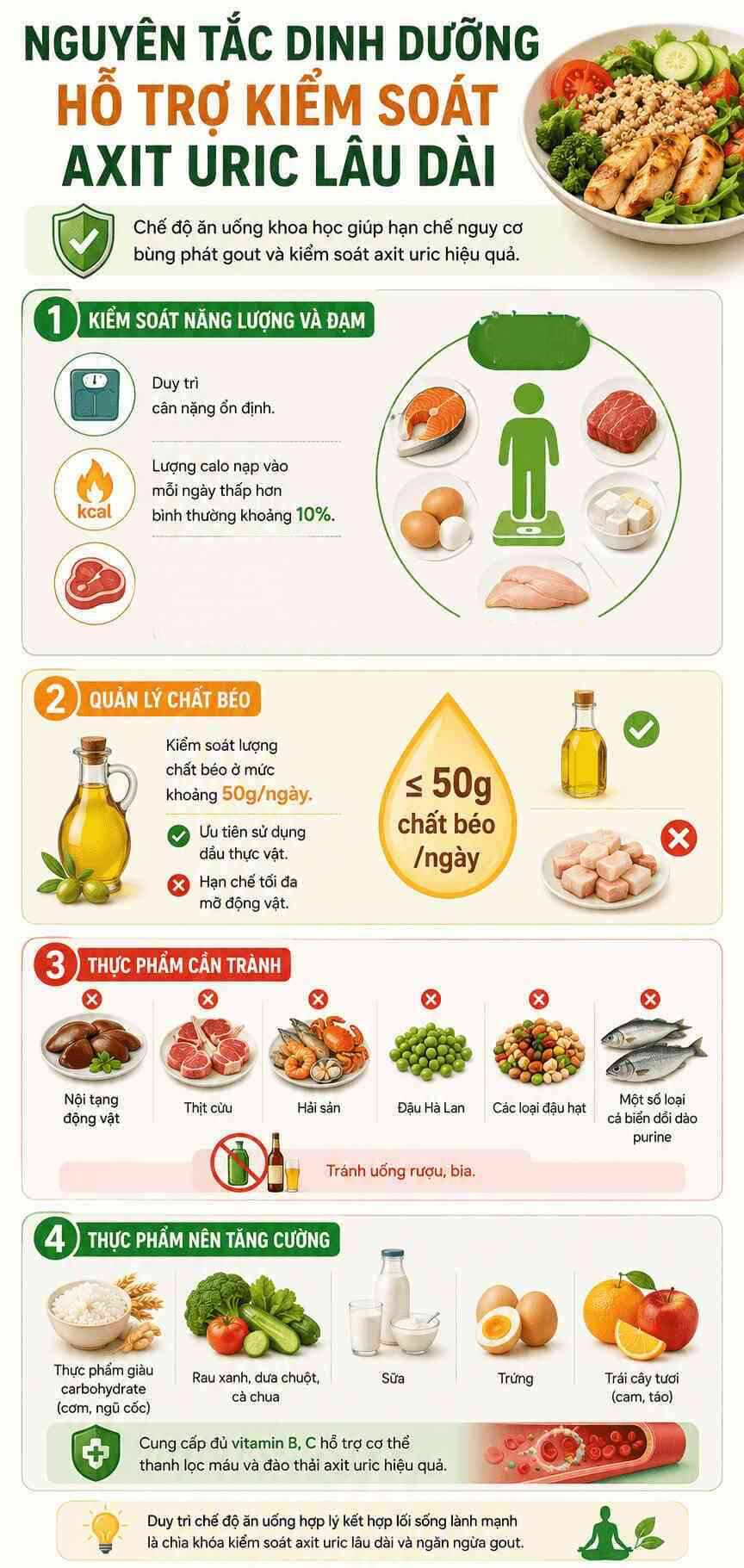
Nutritional principles support long-term uric acid control
In addition to choosing meat, according to clinical guidelines, people with high uric acid levels need to build a comprehensive scientific diet to limit the risk of gout outbreaks:
The information in the article is for reference only, not for medical diagnosis or treatment. You should talk directly to your doctor for accurate and appropriate advice to your health condition.
Questions and answers about uric acid and meats
Do people with high uric acid need to absolutely abstain from animal meat?
No. According to the American Arthritis Foundation, 80% of purines are self-synthesized by the body. Experts from Mayo Clinic recommend that you can still eat 45-70g of lean meat/day to maintain nutrition without worrying about a sharp increase in urate levels.
Does eating chicken skin or pork fat affect uric acid levels?
Yes. WebMD specialists note that animal skin and fat contain a lot of saturated fat, which reduces the kidney's ability to filter uric acid. In addition, according to the US National Institutes of Health (NIH), they are prone to obesity and are the leading factor triggering gout pain.


