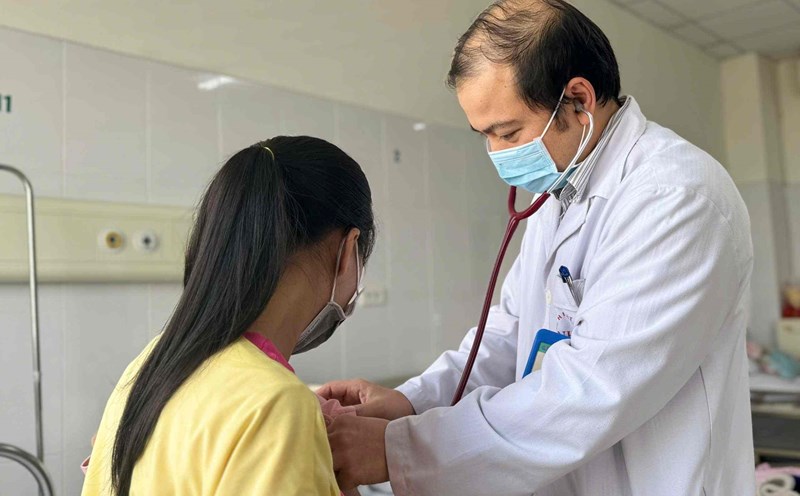
Taking medical history, the doctor recorded that the baby's mother was diagnosed with syphilis in the third trimester of pregnancy and had been treated with drugs but the type was unknown.
From the skin manifestations and history of the mother, doctors suspected that the baby had congenital syphilis. Blood test results were positive for syphilis, combined with skin lesions suitable for the disease.
The baby was comprehensively assessed because congenital syphilis can cause damage to nerves, eyes, ears, bones and many other organs. After that, the child was treated specifically with penicillin.
After 10 days of treatment, skin lesions improved significantly. At the time of assessment, the baby had not recorded meningitis, eye or hearing damage. The child was discharged from the hospital and continued to be monitored periodically.
According to MSc.BS Vu Thi Thuy Duong - Deputy Head of the Department of Infectious Diseases, Children's Hospital 2 HCMC, from the beginning of 2026 to now, the hospital has treated 15 children with congenital syphilis with penicillin. All cases have mothers with syphilis during pregnancy. Notably, 5 children were recorded with meningitis. Currently, no cases of neurological, visual or auditory sequelae have been recorded at the time of monitoring.
Syphilis can progress silently, without causing obvious symptoms, so people with the disease, including pregnant women, may not know they are infected.
During pregnancy, Treponema pallidum spirulina can be transmitted from mother to fetus, causing congenital syphilis. The disease can increase the risk of miscarriage, stillbirth, premature birth or neonatal death.
A comprehensive analysis of 54 studies on 11,398 pregnant women with syphilis showed that in cases where the mother was not treated, the rate of children with congenital syphilis was about 36%.
According to doctors, the risk of mother-to-child transmission can be significantly reduced if syphilis is detected early and treated correctly during pregnancy.
According to Decision No. 678/QD-BYT dated February 26, 2025 of the Ministry of Health on technical guidelines for interventions to prevent the transmission of HIV, hepatitis B and syphilis from mother to child, pregnant women need to be screened and prevent these infections during pregnancy care.
Pregnant women need to have an early prenatal check-up, perform HIV, hepatitis B and syphilis tests according to instructions. When syphilis is detected, penicillin treatment is needed according to the correct protocol and as soon as possible. Partners also need to be managed and treated to limit the risk of reinfection.
For HIV, HIV-infected pregnant women need to be treated with antiviral drugs (ARVs); postpartum babies are prevented, tested and monitored according to instructions.
With hepatitis B, the mother's HBV infection needs to be assessed to have appropriate preventive measures. Children need to be vaccinated against hepatitis B at birth as soon as possible, within 24 hours after birth, and use hepatitis B immune globulin (HBIG) when indicated.
Children born from mothers with syphilis, HIV or hepatitis B need to be assessed, prevented, treated and monitored postpartum appropriately for each disease.
Experts recommend that early prenatal check-ups, full tests, proper treatment and timely prevention are important factors to help reduce the risk of disease transmission from mother to child.