The policy of socialization and reduction of recurrent expenditures from the state budget in the public service sector has been set out early by the Party Central Committee, especially in Notice No. 37-TB/TW of 2011 of the Politburo on the Project "Innovating the operating mechanism of public service units".
One of the effective models for implementing this policy is hospital autonomy and university autonomy.
Autonomy is a practical requirement
Reality shows that investing with the state budget in the health sector, if there is no strict monitoring mechanism, violations can easily arise.
In early March 2026, the Supreme People's Procuracy issued an indictment related to violations at the Base 2 Project of Bach Mai Hospital and Viet Duc Hospital, in which some officials were prosecuted for the crime of violating regulations on management and use of state assets causing loss and waste.
These cases once again show the urgent need to innovate the investment and management mechanism in the field of public health. In fact, since 2011, the Politburo has clearly oriented: The State plays a leading role but at the same time encourages the mobilization of social resources and promotes autonomy for public non-business units.
Following that, Resolution 93/NQ-CP in 2014 of the Government expanded the legal corridor, allowing public health facilities, especially medical and pharmaceutical universities, to borrow capital, joint ventures, and associates to invest in developing medical examination and treatment facilities according to flexible and practical models.
According to experts, healthcare is a specific field, requiring large resources and continuous innovation. Medical and pharmaceutical universities are also places that concentrate high-quality human resources with the ability to research and apply advanced techniques. When given autonomy, these units not only improve the quality of medical examination and treatment but also generate revenue to reinvest in training, research and support for vulnerable people.
Notably, the autonomy mechanism also creates positive pressure. When units have to "self-manage" finances, spending and investment must be considered more effectively and transparently, reducing the risk of waste and negativity.
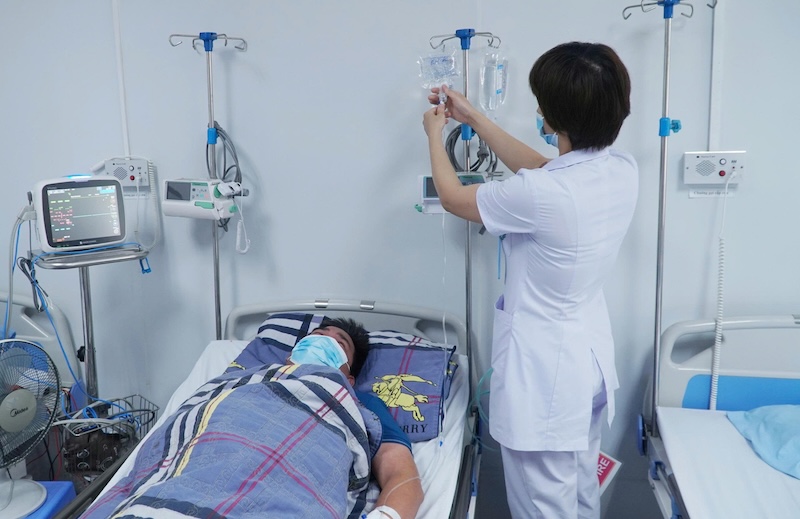
University hospital model generates thousands of billions of VND in revenue each year
The reality of implementation shows that many university hospitals in Vietnam have operated effectively according to the autonomy mechanism.
Typically, Ho Chi Minh City University of Medicine and Pharmacy Hospital - a unit directly under Ho Chi Minh City University of Medicine and Pharmacy. Established in 1994, the hospital is currently one of the leading medical facilities in the South, serving more than 2 million outpatient visits each year, and also leading in the application of high technology and training medical personnel.
Similarly, Hanoi Medical University Hospital also operates under a financial autonomy model, closely combining training, research and medical examination and treatment. With a team of leading lecturers and experts, the hospital not only ensures professional quality but also generates revenue of trillions of VND each year, contributing to reducing pressure on the state budget.
According to Mr. Bui Sy Loi - former Deputy Chairman of the National Assembly's Committee for Social Issues (now the Social Committee), the development of autonomous hospitals has created a healthy competitive environment between the public and private sectors, thereby improving service quality and bringing direct benefits to patients.
At Vietnam National University, Hanoi, the autonomous hospital model has also been implemented since 2011. After more than a decade, the hospital has basically completed phase I, maintaining stable operation, creating jobs for hundreds of officials and lecturers. The unit is preparing to invest in phase II in Hoa Lac according to the plan.
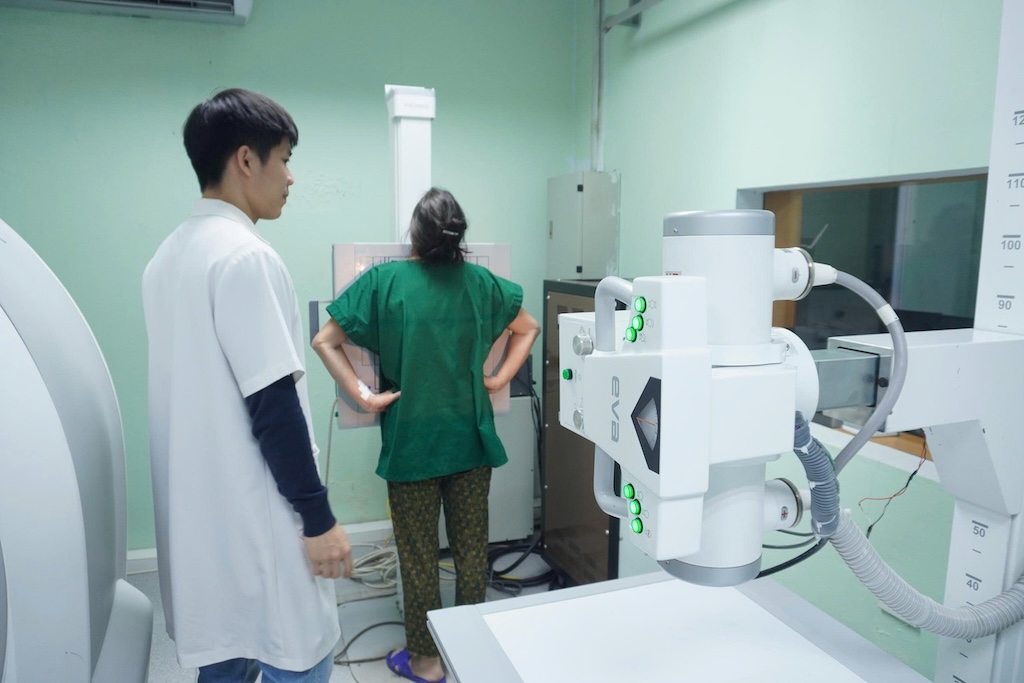
Inevitable trend
In the world, the university hospital model has developed widely. Many large universities own their own hospital systems, serving three goals at the same time: training - research - treatment. For example, Johns Hopkins University (USA) owns many member hospitals; or in China, some large universities manage dozens of affiliated hospitals.
Domestic and international practice shows that the autonomous university hospital model not only helps reduce the budget burden but also improves management efficiency and limits risks in public investment.
More importantly, the ultimate beneficiaries are the people - when they have access to higher quality, more transparent and sustainable healthcare services.