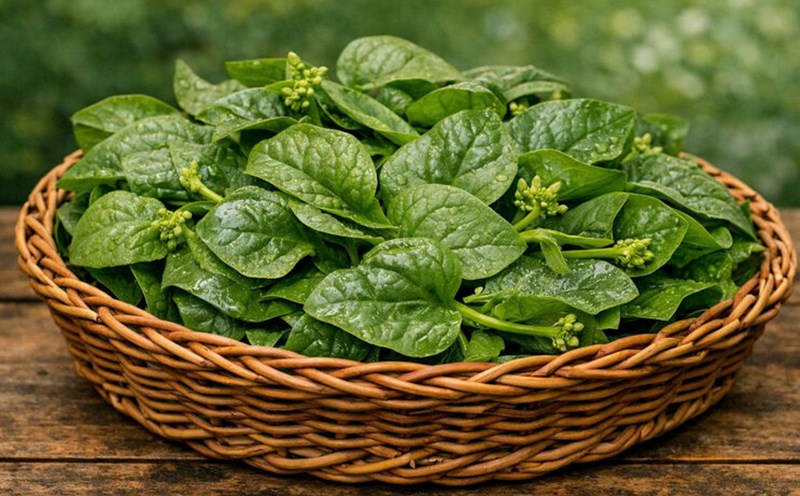
According to the World Health Organization, increasing green vegetables in the daily diet is an important factor in helping to reduce the risk of chronic diseases such as cardiovascular disease and digestive disorders. Malabar spinach belongs to the group of dark green leafy vegetables, rich in fiber, vitamins A, C and antioxidant compounds, which can support the digestive system to function more effectively.
Notably, the natural mucus in Malabar spinach has the effect of soothing the intestinal mucosa, helping to improve constipation, a common problem in many people today. However, to maximize the benefits, the processing method plays an important role.
Nutrition experts recommend prioritizing methods such as cooking soup or quick boiling to limit nutrient loss. Cooking for too long not only reduces vitamin content but also affects the quality of the dish. In addition, combining Malabar spinach with protein-rich foods such as shrimp, crab or lean meat will help balance nutrition in meals.
However, people with a history of kidney stones need to pay attention when using spinach because this vegetable contains oxalate, a compound that can contribute to the formation of stones if consumed a lot.