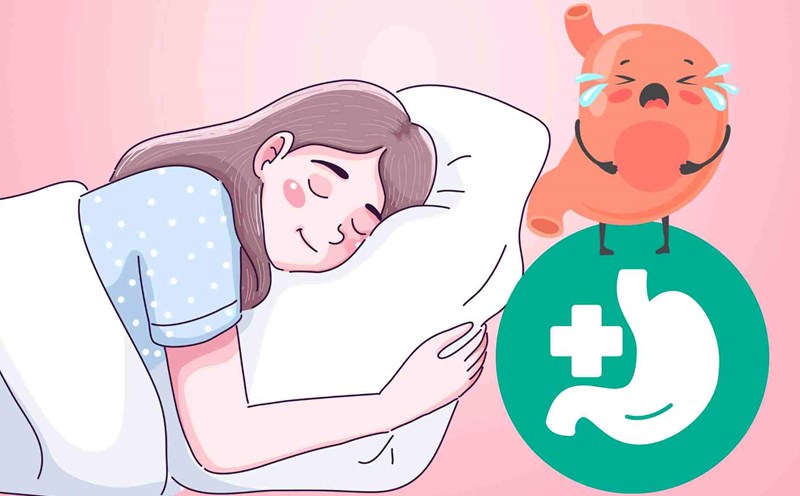
Holidays are a time when many people eat more comfortably than usual. Prolonged meals, high in grease, alcohol, and lack of exercise make the digestive system overloaded. Common results are bloating, bloating, indigestion, and even prolonged digestive disorders after holidays. However, these discomforts can be completely limited if you know how to adjust your lifestyle and diet.
Eat regularly, prioritize easily digestible foods
One of the leading causes of bloating during holidays is eating too much in a short time. When the stomach is overloaded, the digestion process is slower, food is easily fermented in the intestines, generates qi and causes bloating. Therefore, instead of cramming many dishes in one meal, you should eat slowly, chew thoroughly and divide portions into smaller portions.
Prioritize easy-to-digest dishes such as cooked green vegetables, soups, soups, steamed fish, lean meat. Limit fried foods, high in fat, and dark sweets because they slow down the process of emptying the stomach. In addition, pay attention to drinking enough water, especially warm water, to help the intestinal movements work more rhythmically.
According to Dr. Michael Camilleri, a digestive expert at Mayo Clinic (USA), a diet rich in fat and overeating are common factors causing digestive disorders during holidays. He said: "Eating slowly, choosing simple foods and maintaining a sufficient amount of water can significantly reduce bloating and indigestion.
Alcohol and beer are also important factors that need to be controlled. Alcohol stimulates the stomach lining, increases acid secretion and causes inflammation, while beer and carbonated water increase gas in the intestines. If used, it should be moderate and not drunk on an empty stomach.
Maintain stable exercise and living habits
Not only eating and drinking, lifestyle during holidays also directly affects the digestive system. Sitting for a long time, lying down a lot after eating reduces intestinal motility, and air is easily stagnant in the abdomen. Walking gently for about 15-20 minutes after meals can support digestion, significantly reducing bloating sensation.
Sleep also plays an important role. Staying up late, not getting enough sleep disrupts the circadian rhythm, affecting the activities of the stomach and intestines. Maintaining a relatively stable sleep time, avoiding overeating at least two hours before going to bed is a principle to remember.
Supplementing with foods containing microbial enzymes such as unsweetened yogurt or traditional fermented dishes in moderation also helps balance the gut microbiota. However, supplements should not be abused without medical advice.
Dr. Kate Scarlata, a digestive nutritionist at Harvard University (USA), recommends that maintaining a regular rhythm of activity during vacation is a commonly neglected factor. “The digestive system likes stability. Just changing too much in eating hours, sleeping hours and exercise is enough to cause temporary digestive disorders,” she analyzed.
In case of signs such as severe abdominal pain, prolonged vomiting, diarrhea for many days or unexplained weight loss, patients need to go for examination to be accurately assessed, avoiding subjectivity that it is just a common digestive disorder.
Holidays are a time for the body to rest, not for the digestive system to "struggle" to endure. Moderate eating, reasonable living and gentle exercise are the keys to helping the intestines to be healthy, so that after the holidays you don't have to pay the price with prolonged bloating and indigestion.
It's a bit of a bit of a bit of a bit of a bit of a bit.