
On the evening of December 29, Russian Foreign Minister Sergei Lavrov said that Ukraine had simultaneously launched 91 suicide-style long-range UAVs (unmanned aerial vehicles) targeting the residence of President Vladimir Putin in the Novgorod region. According to Mr. Lavrov, all of these UAVs were intercepted by Russian air defense systems, causing no casualties or material damage.
Although the attack did not leave direct consequences, Moscow considers this a serious escalation. The Russian Foreign Minister accused Kiev of "completely switching to state terrorism" and affirmed that Russia will be forced to reconsider its position in the current negotiation process.
We are not withdrawing from the negotiation process with the US, but in the context that the Kiev regime has completely degenerated and chose the path of state terrorism, Russia's negotiating position will be adjusted," Mr. Lavrov emphasized.
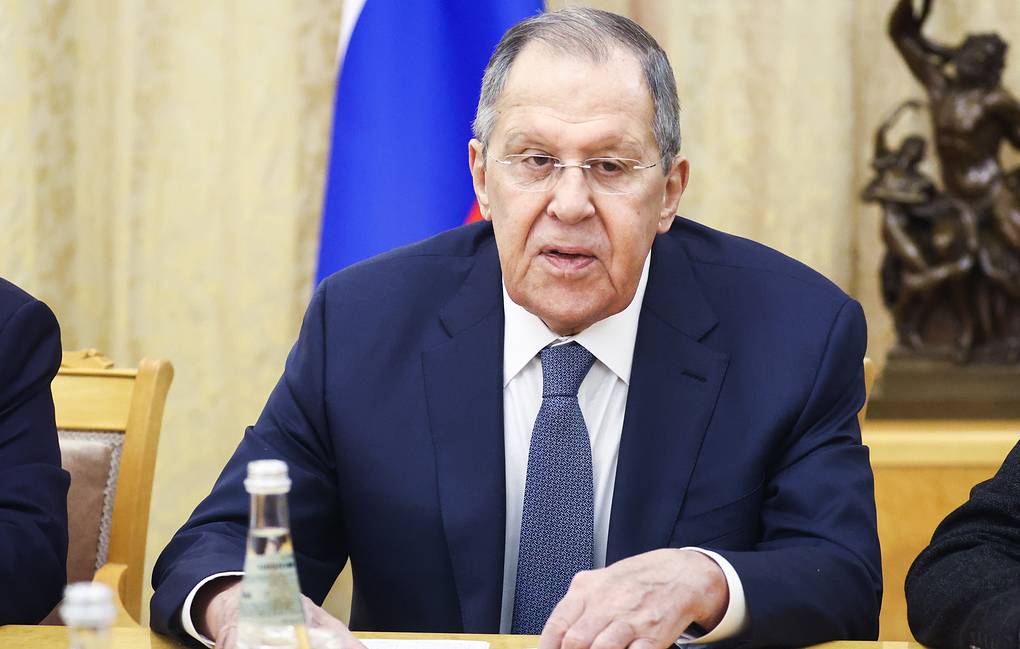
Notably, the attack occurred at a time when Russia and the US were conducting diplomatic exchanges described as "tense but positive" regarding the prospects of peace in Ukraine.
According to Mr. Lavrov, Kiev's "reckless" actions will "cannot be answered". Moscow has identified targets as well as the timing of retaliatory strikes in the near future.
Russian Foreign Ministry spokeswoman Maria Zakharova also warned that Russia's response to this incident "will not be diplomatic", raising speculation about the possibility of tougher military or strategic measures.
From the Kremlin, President Putin's foreign affairs aide, Mr. Yury Ushakov, revealed noteworthy details about Washington's reaction.
In a phone call between Russian President Vladimir Putin and US President Donald Trump on December 29, the US leader was said to have been "shocked and outraged" by the information that Ukraine attacked the Russian head of state's residence.
Mr. Trump said that he could not imagine such'crazy' actions from Kiev" - Mr. Ushakov recounted. According to the aide, Russia has made it clear to the US that such actions will certainly not be ignored, and Russia will review a series of agreements and solutions being discussed.
Nevertheless, the Kremlin affirmed that Russia is still ready to work with Washington to seek sustainable peace, but emphasized that the attack on the presidential palace has crossed the symbolic and political red line.
In the opposite direction, Ukrainian President Volodymyr Zelensky completely denied Moscow's accusations. He believes that Russia is looking for an excuse to sabotage the "developments" in US-Ukraine contacts and create a premise for attacks targeting the government area in Kiev.
The incident also revived the controversy surrounding Mr. Zelensky's previously shocking Christmas message, in which he prayed that an unnamed figure - which Moscow considers President Putin - "must die", and called for prayer for peace.
The Kremlin has condemned this speech as "uncultured", questioning the ability of Ukrainian leaders to make reasonable decisions.


