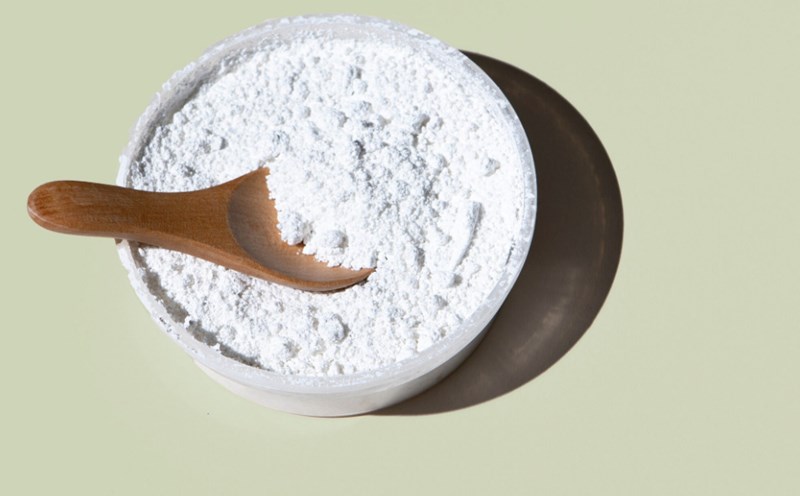
Creatine is often known as a supplement to help increase muscle strength. However, there is increasing concern about the role of creatine in overall health, especially in women as age increases. Not only affecting physical health, creatine is also related to brain, bone and mood functions.
One of the most obvious benefits of creatine is to support maintaining muscle strength. Over time, muscle mass tends to gradually decrease, affecting mobility and balance. When combined with strength training, creatine can help improve mobility performance and maintain better lean muscle mass. This is especially important after menopause, when hormonal changes can accelerate muscle loss.
Creatine can also contribute to bone health. Although it itself does not directly increase bone density, when accompanied by exercise, especially load-bearing exercises, creatine can help improve bone strength and structure. As a result, the risk of fractures can be reduced over time, especially in older women.
Not only physically, creatine is also related to brain function. This is a compound that participates in the process of producing energy for cells, including nerve cells. Some evidence suggests that creatine can support memory, concentration and information processing ability, especially during fatigue or stress. For older women, maintaining stable cognitive function is an important factor in maintaining quality of life.
In addition, creatine can also affect mood. Some data suggests that creatine supplementation can help reduce symptoms of depression when used with other treatments. In addition, it can also contribute to improving general mental state, although this effect is not clear and more evidence is needed.
Regarding the use, creatine monohydrate is the most common form. The recommended dose is usually about 3–5 grams per day. For healthy people, this level is considered safe. However, some people may experience mild side effects such as bloating, water retention, or digestive discomfort.
Creatine is not an alternative to a healthy diet or lifestyle. To achieve good results, supplementation needs to be accompanied by exercise, balanced eating and maintaining reasonable living habits.