
Many people are still hesitant when they see a series of strange names and symbols in the instant noodle ingredient list and assume that it is "many additives, not good".
That suspicious mentality is completely understandable. However, if viewed from a food science perspective, just the fact that a product has additives is not enough basis to conclude that the product is not safe. The important thing is to understand what the additive's function is and how it is used.
Is having additives synonymous with "not good"?
According to experts in the food field, food additives are substances with or without nutritional value added to food to solve technological purposes in production; for processing, packaging, preservation, transportation of food or to improve the structure and technical characteristics of that food.
Add additives generally play an important role in industrial food production. Different types of additives can be used with specific technological functions, depending on the formula and characteristics of each product.
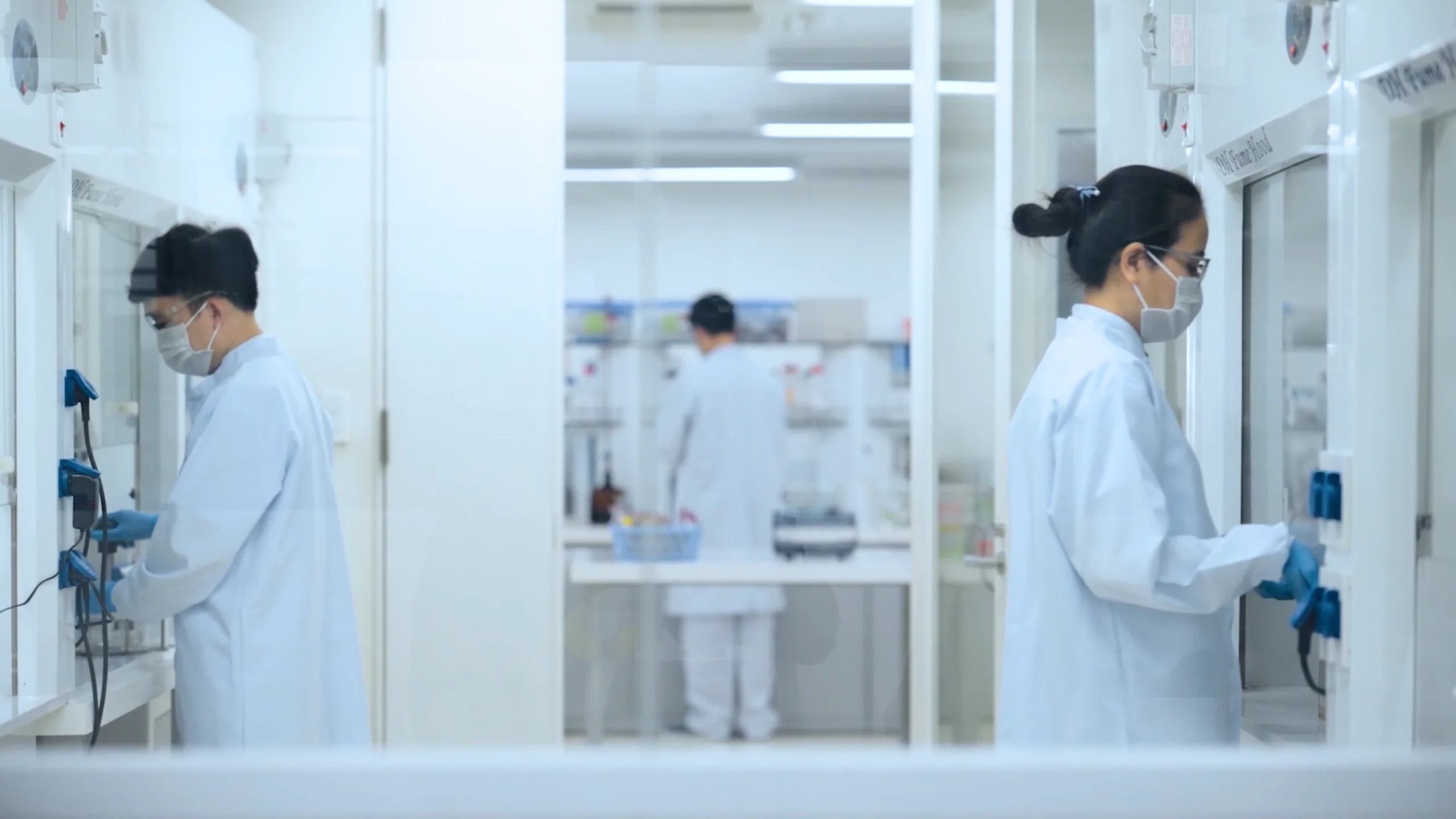
Therefore, the issue of food safety is not simply about "having or not having additives", but the core is which group that additive belongs to, what purpose it is used for and at what level.
The use of raw materials and additives at Acecook Vietnam is managed according to quality requirements and regulations applicable to products.
When adding additives to products, manufacturers also need to comply with the list and content of raw and auxiliary materials allowed. The use of food additives must comply with current regulations on the type of additive, food objects, level of use and conditions of use. Manufacturers are responsible for using additives according to their functions and meeting relevant requirements on food safety.
Therefore, the assessment of additives needs to be placed in a specific context of the type of additive, function, food object and level of use according to regulations, instead of just based on the fact that the product "contains additives".
Instant noodles can be preserved for a long time: due to technology or preservatives?
Many people often assume that a product that can stay on supermarket shelves for 5-6 months without spoiling must definitely "rely" on a lot of preservatives. This is one of the common misunderstandings when talking about instant noodles.
In fact, the preservation capacity of instant noodles is related to many factors in the production process and preservation methods.
At Acecook Vietnam factory, after being steamed with steam, the noodles are dried by frying in oil or wind heating for non-fried noodles. This process helps bring the moisture content of the noodles down to a low level - below 3% for fried noodles and below 10% for non-fried noodles.
The frying or drying process helps lower the moisture content of the wheat flour, creating unfavorable conditions for the development of microorganisms.
Microorganisms need suitable conditions for growth and development, in which humidity is an important factor. Therefore, low humidity creates unfavorable conditions for microorganisms to develop. Along with tight packaging and suitable storage conditions, these are factors that help wheat squeezing maintain stable quality during its shelf life.
Thus, it is not possible to just rely on the expiration date to conclude that a product uses many preservatives. Preservatives are a group of additives, but not all additives have preservative functions.
Understand correctly to use with peace of mind
For consumers, reading the ingredient list carefully is one of the simplest ways to be more proactive when choosing food. Instead of just seeing the name or code of an additive and defaulting that it is a bad element, consumers can learn more about the function of that ingredient as well as the information published on the packaging.
Besides the ingredient list, information about the manufacturer, product origin, expiration date and storage instructions are also useful bases when choosing food.
At Acecook Vietnam, product ingredient information is announced on packaging and official information channels, helping consumers have more basis to learn about products.
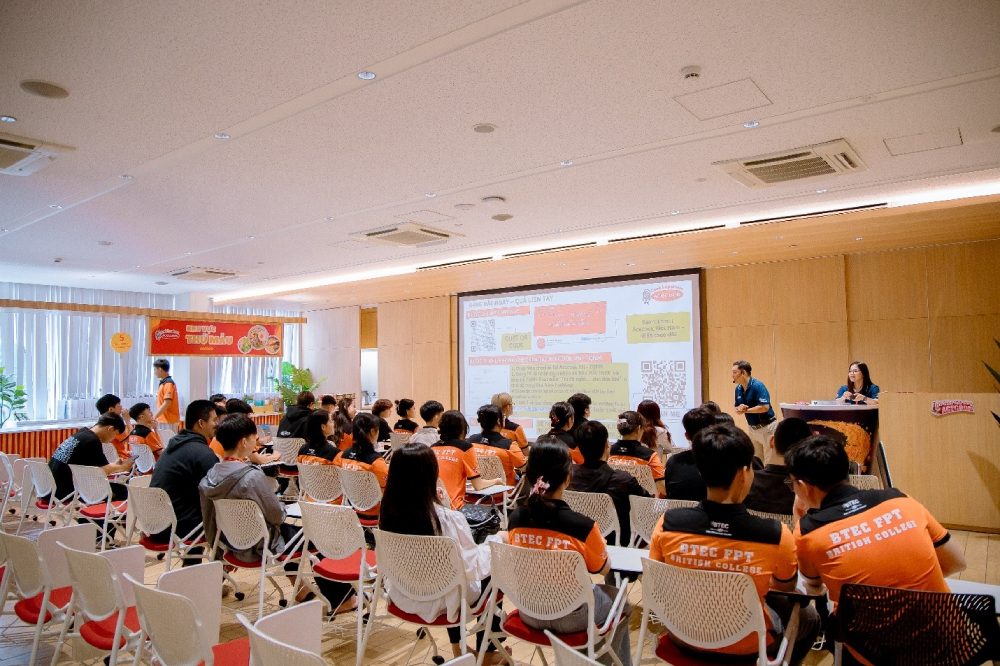
Every year, Acecook Vietnam welcomes more than 10,000 visitors to visit the factory, directly witnessing the production process of a pack of instant noodles.
In addition to announcing information on packaging and official channels, Acecook Vietnam also opens factories to welcome consumers to visit, thereby directly learning about the production process and quality control of instant noodles. Each year, this activity welcomes more than 10,000 visitors.
Instead of just asking "Is this product additive or not?", consumers can learn more deeply: what additive is it, what functions it has and under what conditions it is used. At the same time, the origin of the product, information on the label and instructions for use and preservation are also factors that need to be considered when choosing food.
Understanding additives correctly does not mean ignoring concerns about food ingredients, but recognizing them based on function, usage and well-founded information. From there, consumers can be more proactive when choosing products suitable for themselves and their families.


