
Late on December 31st, Ho Chi Minh City University Medical Center Hospital said that the unit had just successfully performed a heart transplant for a 15-year-old boy with terminal heart failure.
According to Prof. Dr. Nguyen Hoang Dinh - Deputy Director of University Medical Center Hospital HCMC, this is one of the most severe and challenging cases that the heart transplant team has ever faced.
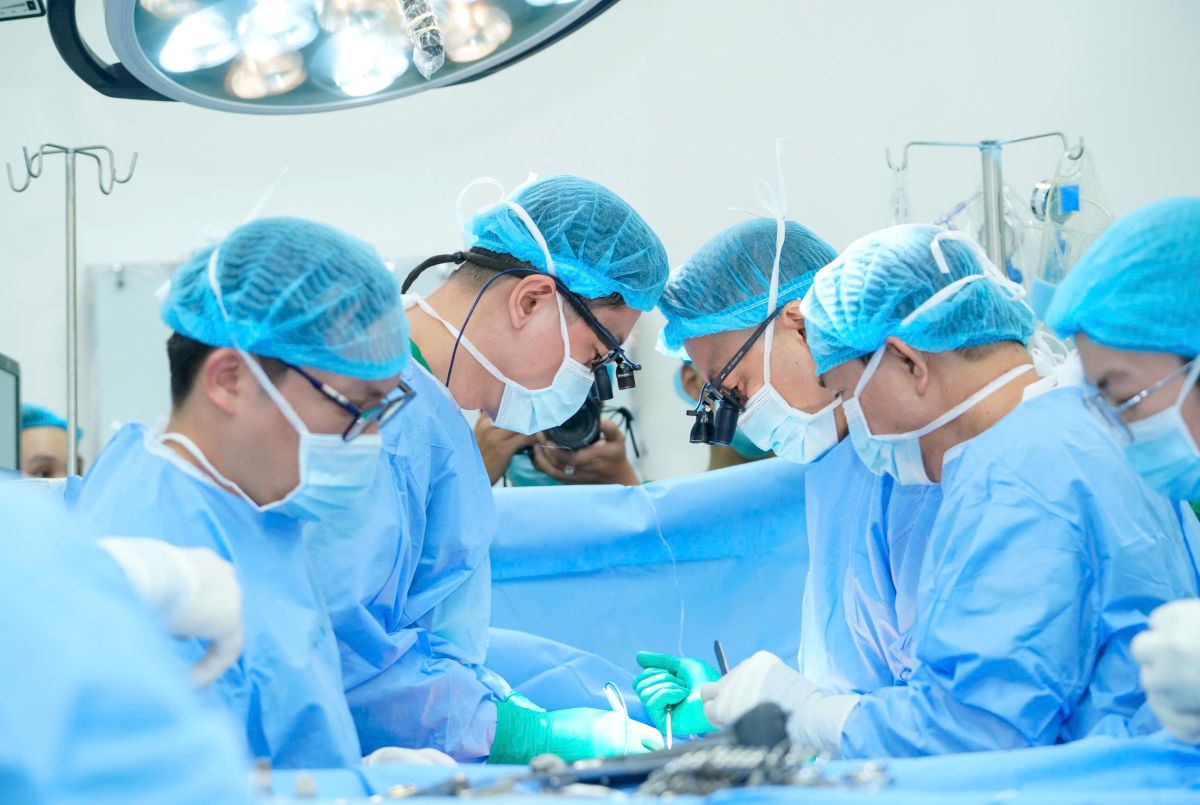
The patient was transferred in a state of late-stage heart failure, the heart was almost unable to contract despite being treated with many high-dose vasopressors. Prolonged heart failure caused the patient to experience liver failure, kidney failure, accompanied by many serious systemic disorders.
After the inter-specialty consultation process, doctors determined that heart transplant is the only treatment solution that can bring a chance of survival for the patient. However, the transplant poses many risks including severe pulmonary hypertension, risk of infection, multiple organ failure and possible complications during and after surgery.
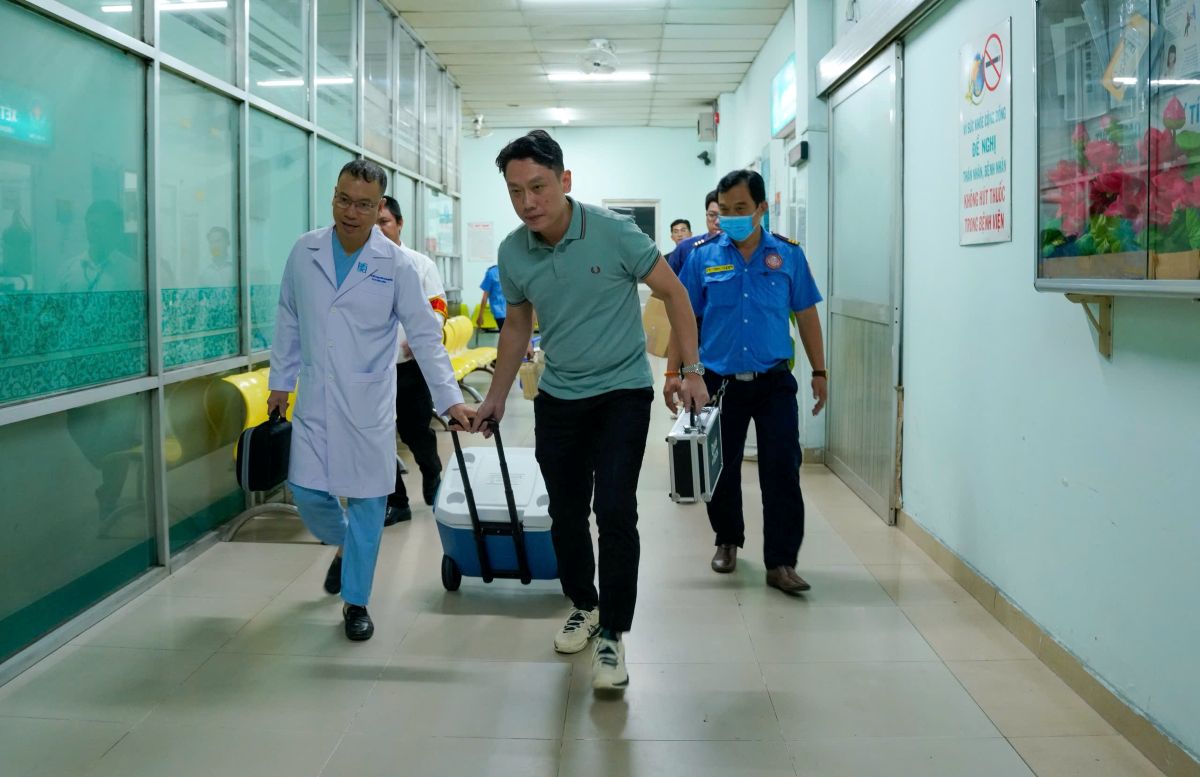
In particular, right before the timbre transplant, when the patient suddenly had cardiac arrest on the operating table, the surgical team was forced to both perform cardiopulmonary resuscitation and maintain extracorporeal circulation to temporarily preserve the patient's life, while waiting for the donated heart to be transported back in time.
Donated hearts are coordinated from People's Hospital 115, through the National Organ Transplant Coordination Center, and are transported to Ho Chi Minh City University Medical Center Hospital in the shortest time.
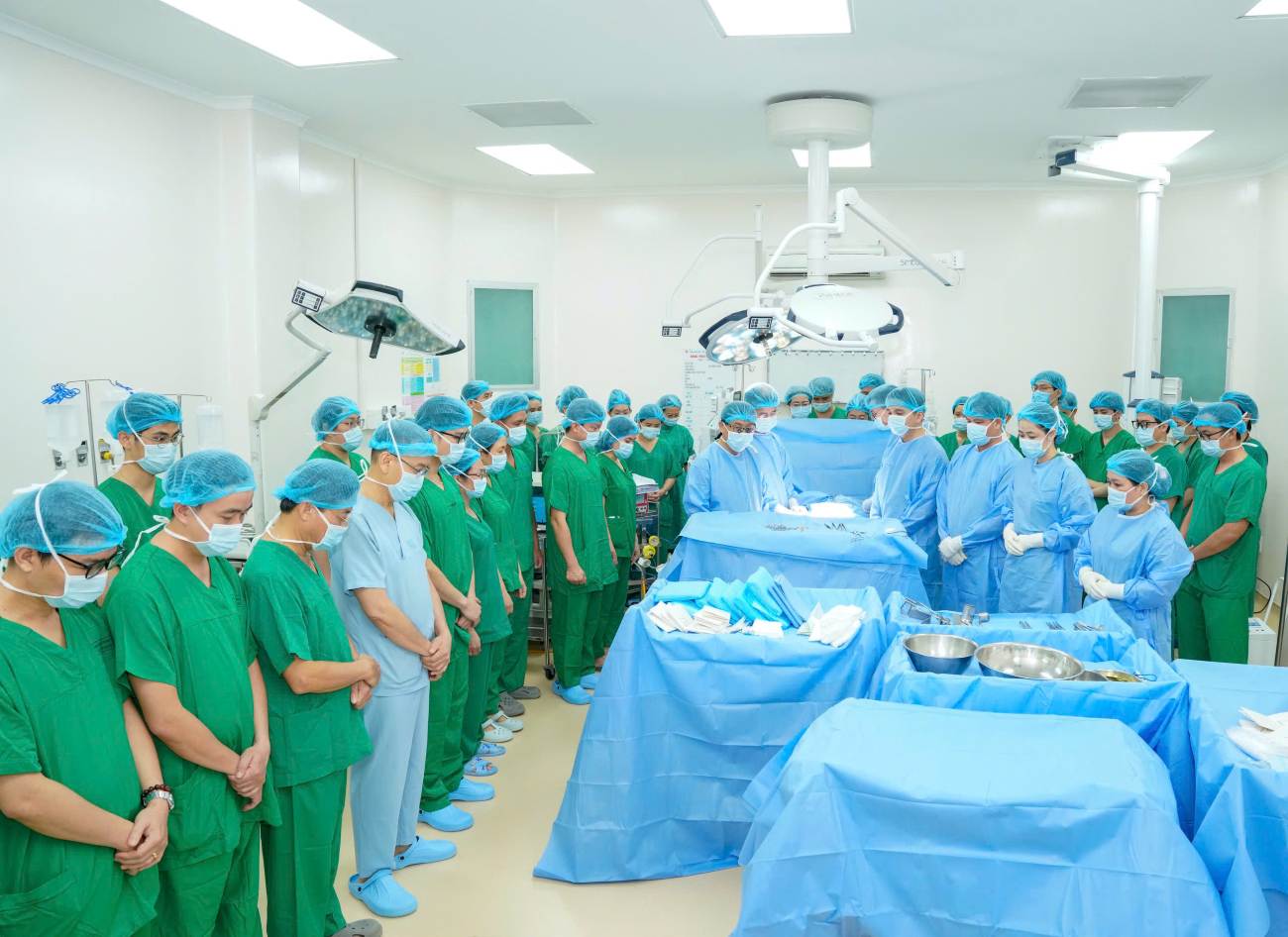
Technically, the heart transplant took place according to the planned schedule. The first beats appearing in the patient's chest made the crew burst into tears.
Not only the heart was transplanted to the patient, but the lungs, liver, cornea and 2 kidneys were also coordinated in time, continuing the life for many patients. Doctors expressed deep gratitude to the organ donor and their families. This noble gesture added faith and hope to many patients.


