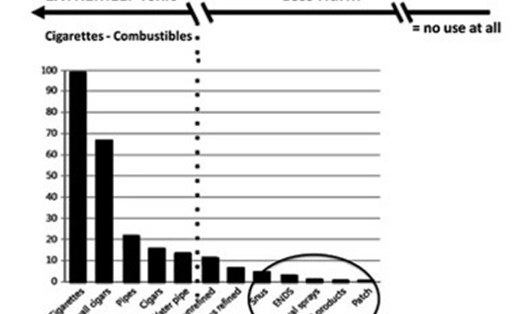
Khi không thể đi ngược lại quy luật cung - cầu thì quyết định ‘cấm’ là việc khó khả thi. Vấn đề đáng quan tâm và cấp thiết hơn là kiểm soát TLTHM thế nào để vừa đạt được mục tiêu phát huy mặt tích cực về vai trò giảm tác hại của sản phẩm, vừa hạn chế tối đa các vấn đề phát sinh liên quan. Theo đó, điểm mấu chốt là cần nâng cao trình độ và năng lực quản lý.
Kinh nghiệm quản lý từ các quốc gia tiên tiến
Theo Tổ chức Y tế Thế giới (WHO), thuốc lá giết chết hơn 8 triệu người mỗi năm. Trong đó hơn 7 triệu người tử vong do sử dụng thuốc lá trực tiếp và khoảng 1,2 triệu người tử vong do tiếp xúc với khói thuốc thụ động. Điều đáng nói, chỉ có 8-10% người hút thuốc cai bỏ thành công.
Trước vấn nạn này, chính phủ và cơ quan y tế nhiều nước đã tiến hành đánh giá lại chiến lược kiểm soát thuốc lá hiện tại, theo đó các sản phẩm giảm tác hại thay thế thuốc lá điếu (TLĐ) được khẳng định sẽ là một trong những yếu tố kết thúc kỷ nguyên hút thuốc lá.
Cục Quản lý Thực phẩm và Dược phẩm Hoa Kỳ (FDA) là một trong những tổ chức uy tín nhất trên thế giới tiên phong kiểm duyệt và cấp phép cho một số sản phẩm TLTHM, hay còn gọi là thuốc lá không khói, bao gồm thuốc lá điện tử (TLĐT) hệ đóng đi kèm tinh dầu hương thuốc lá, thuốc lá làm nóng (TLLN), và một vài sản phẩm sử dụng qua đường uống.
Tại Anh, năm 2022, có hơn 4,3 triệu người chuyển đổi sang các sản phẩm không khói, trong đó, hơn một nửa (2,4 triệu người) đã cai hoàn toàn thuốc lá điếu. Tổ chức chống thuốc lá ASH của Anh cũng rất ủng hộ việc chuyển đổi của người hút thuốc sang TLTHM, đồng thời cho rằng số người sử dụng TLĐT mà chưa từng hút thuốc trước đó cũng không đáng lo ngại, vì đây chỉ là thiểu số và chủ yếu là dùng thử do hiếu kỳ.
Nhiều tạp chí uy tín đã đăng tải các nghiên cứu khoa học chứng minh được khả năng giảm tác hại nhờ công nghệ loại bỏ quá trình đốt cháy. Đáng chú ý, nghiên cứu đăng ở tạp chí Circulation thực hiện trên 5 triệu người hút thuốc lá tại Hàn Quốc cho thấy: những người hút thuốc lá điếu nếu chuyển đổi sang TLLN thì nguy cơ mắc các bệnh tim mạch thấp hơn so với tiếp tục hút.
Các nghiên cứu cũng chứng minh rằng, TLLN không dẫn đến "hiện tượng bắc cầu" (từ việc sử dụng TLLN chuyển sang hút thuốc lá điếu). Đơn cử như ở Nhật Bản, tỷ lệ người dùng kép ít hơn 30% trong số những người dùng TLLN. Sản phẩm TLLN cũng không thu hút những người đã cai thuốc lá thành công và chưa từng hút thuốc.
Trong danh sách các quốc gia ủng hộ giải pháp giảm tác hại thuốc lá trên toàn cầu (trên 80 nước) còn có Đức, Pháp, Ý, Thụy Sĩ, Na Uy, Hà Lan, Canada, New Zealand, Nhật Bản, Hàn Quốc, Trung Quốc, Malaysia, Philippines,… Mẫu số chung của các quốc gia này là sớm đưa TLTHM vào quản lý dưới luật; xử phạt nghiêm minh các trường hợp vi phạm; kết hợp tuyên truyền để sản phẩm chỉ được tiếp cận đúng đối tượng người trưởng thành có nhu cầu chuyển đổi; phối hợp với các công ty sản xuất thuốc lá để có biện pháp kiểm soát phù hợp.
Nhiều vấn đề nan giải ở các quốc gia nơi TLLHM vẫn nằm ngoài vòng luật pháp
Ở các quốc gia này, mặc dù sản phẩm chưa được phép kinh doanh, nhưng việc mua bán vẫn diễn ra rầm rộ ở thị trường chợ đen, vì nhu cầu giảm thiểu tác hại là có thật. Đơn cử như tại Việt Nam, khảo sát của một tờ báo điện tử với trên 2000 người trưởng thành chỉ ra, tới 70% cho rằng, các giải pháp giảm tác hại của khói thuốc lá là quan trọng.
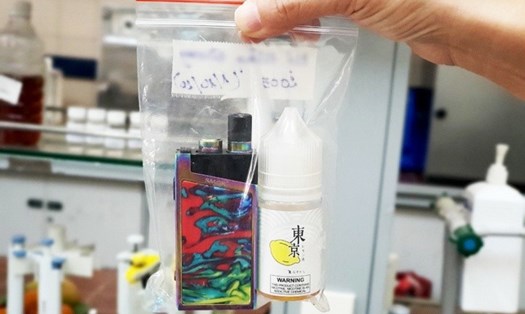
Nằm ngoài vòng pháp luật quá lâu, TLĐT lậu ngày càng trở thành mối đe doạ của xã hội, đặc biệt là với sức khỏe của người dùng. Liên tiếp trong thời gian vừa qua đã xảy ra nhiều vụ ngộ độc ma túy và các chất cấm khác được ngụy trang dưới vỏ bọc của TLĐT lậu. Từ một sản phẩm giảm tác hại, do chưa được quản lý chặt chẽ, TLĐT đã trở thành mối nguy đối với cộng đồng và gánh nặng đối với các cơ quan chức năng.
Tại tọa đàm Xu hướng tiếp cận giải pháp giảm tác hại thuốc lá tại Việt Nam do báo điện tử VietnamPlus phối hợp với Tổng hội Y học Việt Nam tổ chức đầu tháng 8 vừa qua, các chuyên gia y tế đầu ngành đều cho rằng, một khi TLTHM còn chưa được hợp pháp hóa, giải pháp giảm thiểu tác hại TLĐ còn bị xem nhẹ, thì người hút thuốc, nhất là các bệnh nhân sẽ bị bỏ lỡ một cơ hội tốt để cải thiện sức khoẻ.
TS.BS Đào Văn Tú - Trưởng khoa Điều trị theo yêu cầu, Giám đốc Trung tâm Nghiên cứu Lâm sàng, Bệnh viện K Trung ương cho rằng, nhiều nghiên cứu khoa học đã chứng minh rằng việc chuyển đổi từ TLĐ sang TLLN giúp giảm đi các chất độc và giảm sự phơi nhiễm. “Đây có thể được xem là một hứa hẹn rằng, nhiều vấn đề bệnh tật trong tương lai sẽ kiểm soát được bằng công cụ giảm tác hại thuốc lá”, ông cho biết.
Đồng quan điểm, PGS.TS.BS Trần Văn Ngọc, Phó Chủ tịch Hội Phổi Việt Nam, Chủ tịch Liên chi hội Hô hấp TP. Hồ Chí Minh cho rằng: “Chúng ta cần phải quản lý TLTHM và tham khảo những chính sách quản lý tốt trên thế giới. Vấn đề quản lý chặt chẽ chừng nào là do trình độ của chúng ta”.
ThS.BS Lê Đình Phương - Trưởng khoa Nội Tổng quát và Y học Gia đình, Bệnh viện Pháp Việt - FV, TP. Hồ Chí Minh cũng cho rằng cần nâng cao năng lực quản lý: “Nếu thừa nhận TLLN như cách chúng ta chấp nhận methadone (giải pháp thay thế heroin) và quản lý nó tốt, thì sẽ rất có lợi cho cộng đồng, cho người bệnh và giải quyết được vấn đề sử dụng sai mục đích”.