Limit processed foods
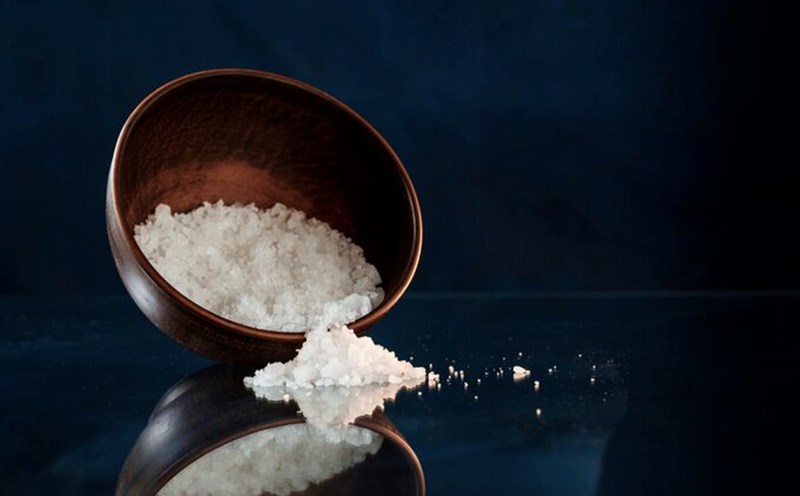
Packaged snacks, cold cuts, and canned soups often contain high levels of sodium. Regularly eating this food group can cause the body to consume too much salt uncontrollably.
Check nutrition labels before buying
You should pay attention to the information on the product packaging. You should choose foods with a content of about 140 mg of sodium or less per serving, and closely monitor the actual portion size to avoid exceeding the recommended level.
Prioritize cooking at home
Preparing meals yourself helps better control the ingredients and spices used. This is an effective way to limit excess salt in your daily diet.
Enhance flavor with natural herbs and spices
Instead of using salt, you can enhance the flavor of the dish with ingredients such as garlic, lemon, citrus, vinegar and fresh herbs. This method both makes the dish flavorful and reduces sodium intake.
Supplement with potassium-rich foods
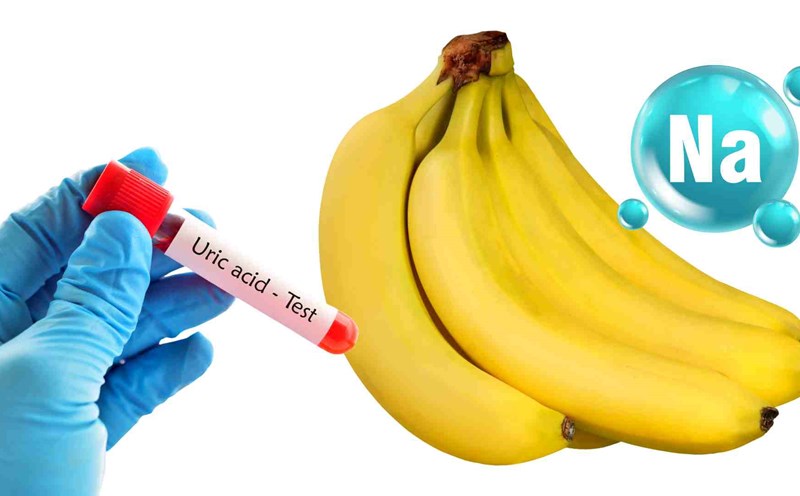
Potassium is found in fruits, vegetables, beans and dairy products. This nutrient helps balance the effects of sodium in the body and supports maintaining stable blood pressure.