
On July 1, 2026, Hanoi officially simultaneously launched a program of periodic health check-ups and free screening for people in the area. This is one of the important social security policies, showing the concern of the Party, State and city for the work of protecting, caring for, and improving people's health. At the same time, the program marks a shift from treatment thinking to proactive disease prevention and all-people health management.
Deployed simultaneously at the grassroots level, people benefit from free health check-ups
At Phu Thuong Ward Health Station, Hanoi, from early morning, a rather bustling atmosphere was recorded. Many parents brought their young children for vaccination combined with periodic health check-ups. This is one of the first deployment points according to the city's plan. On the first day, Phu Thuong ward organized examinations for about 200 children under 6 years old. After that, about 300 elderly people will be examined according to a separate plan.

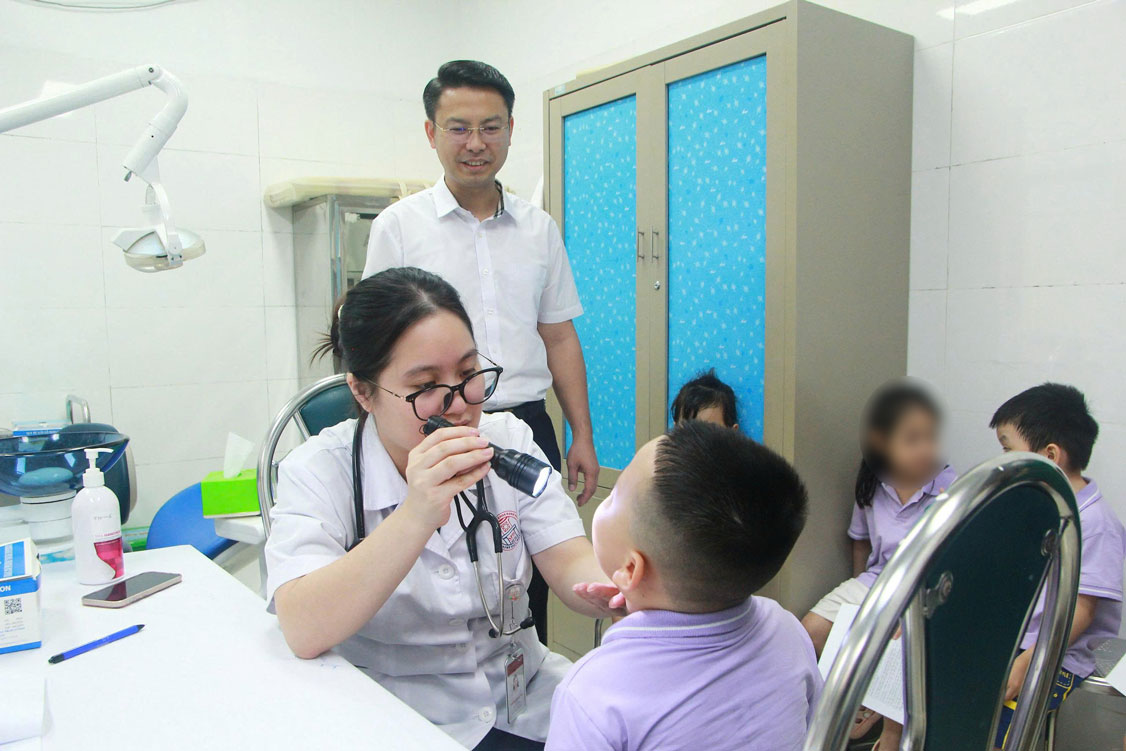
Ms. Nguyen Thi Thuy Duong - a teacher at Phu Thuong Kindergarten - said that the implementation of free health check-ups associated with electronic health records brings many practical utilities for both parents and schools.
“Previously, every time I needed to look up my child's health status, I had to find paper records, which was quite time-consuming. Now the data is digitized, and the entire health monitoring process is fully stored, making the lookup much faster and more convenient,” Ms. Duong said.
Doctor Do Tien Dung - in charge of Phu Thuong General Clinic - said that the locality has fully reviewed the groups of subjects to avoid missing out on people. It is expected that each day, the unit will organize examinations for about 300-350 people, including clinical examinations, blood tests, biochemical indicators and many other screening contents.
Notably, health check-ups for children under 6 years old are integrated with the expanded immunization program, both facilitating parents and helping to comprehensively monitor children's development.
According to Dr. Dung, in addition to detecting common diseases, the program also focuses on monitoring abnormal signs of growth, movement and mental development, thereby having early intervention when necessary.
Also at the Cultural House of Co Dien village (Vinh Thanh commune), the Commune Health Station coordinated with Dong Anh General Hospital to organize periodic health check-ups and free screening for policy beneficiaries, people with meritorious services and people belonging to social protection households in Dong Nhan, Co Dien villages and Thang Long residential area.
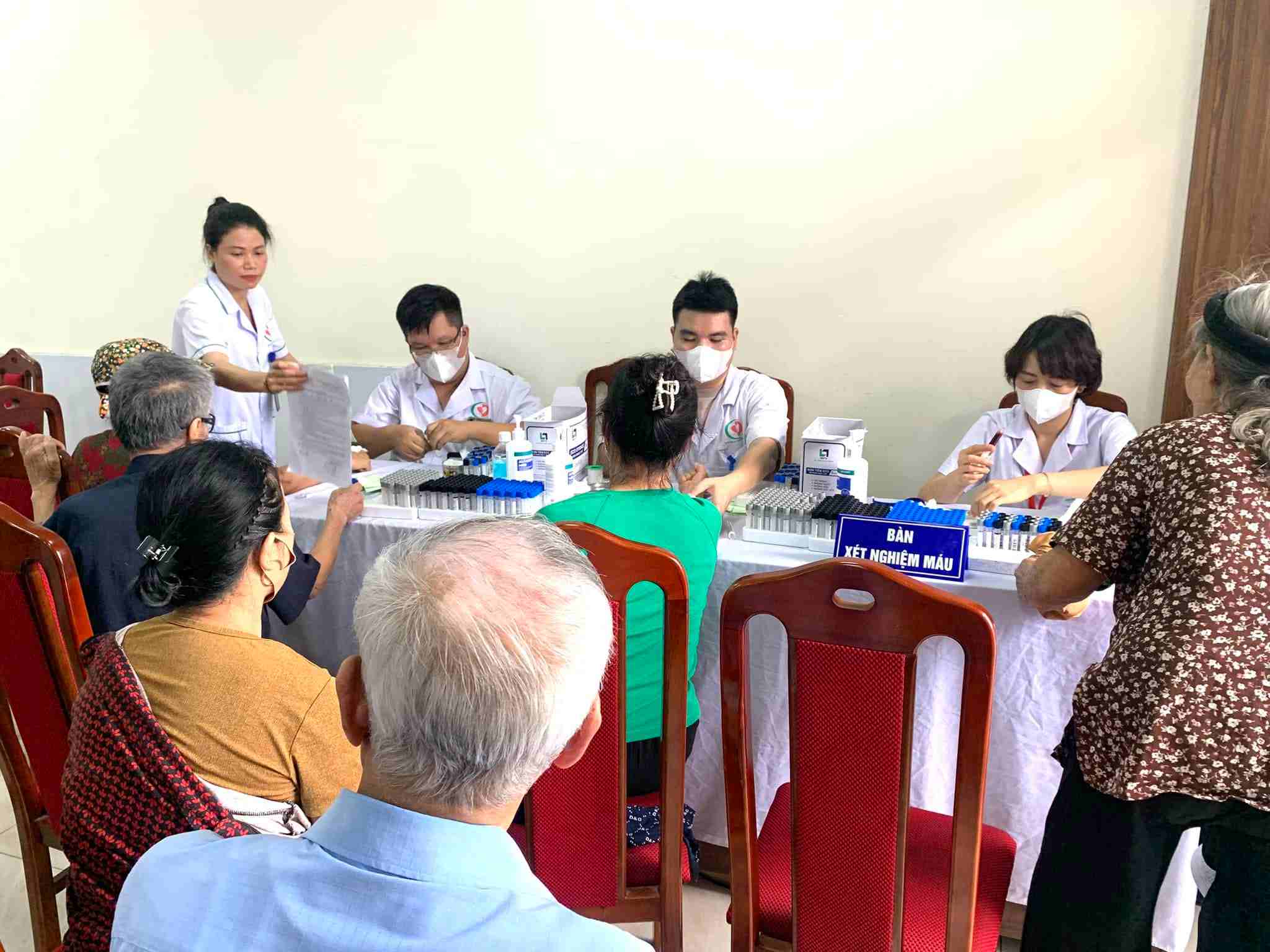
Here, the team of doctors and nurses performs general examinations, blood pressure measurements, checks health indicators, prescribes tests, paraclinics, and at the same time advises on nutrition, lifestyle, guides health monitoring and early detection of non-communicable diseases as well as common diseases. The program has received positive responses from a large number of people.
About 6 million people manage their health with electronic records
Dr. Nguyen Trong Dien - Director of Hanoi Department of Health - said that the program is being implemented for people of all ages, from children under 6 years old, teenagers, adults to the elderly. After reviewing groups that have been health checked according to regulations such as employees at enterprises, officials, civil servants, public employees, armed forces, the city plans to organize free check-ups for about 6 million people.
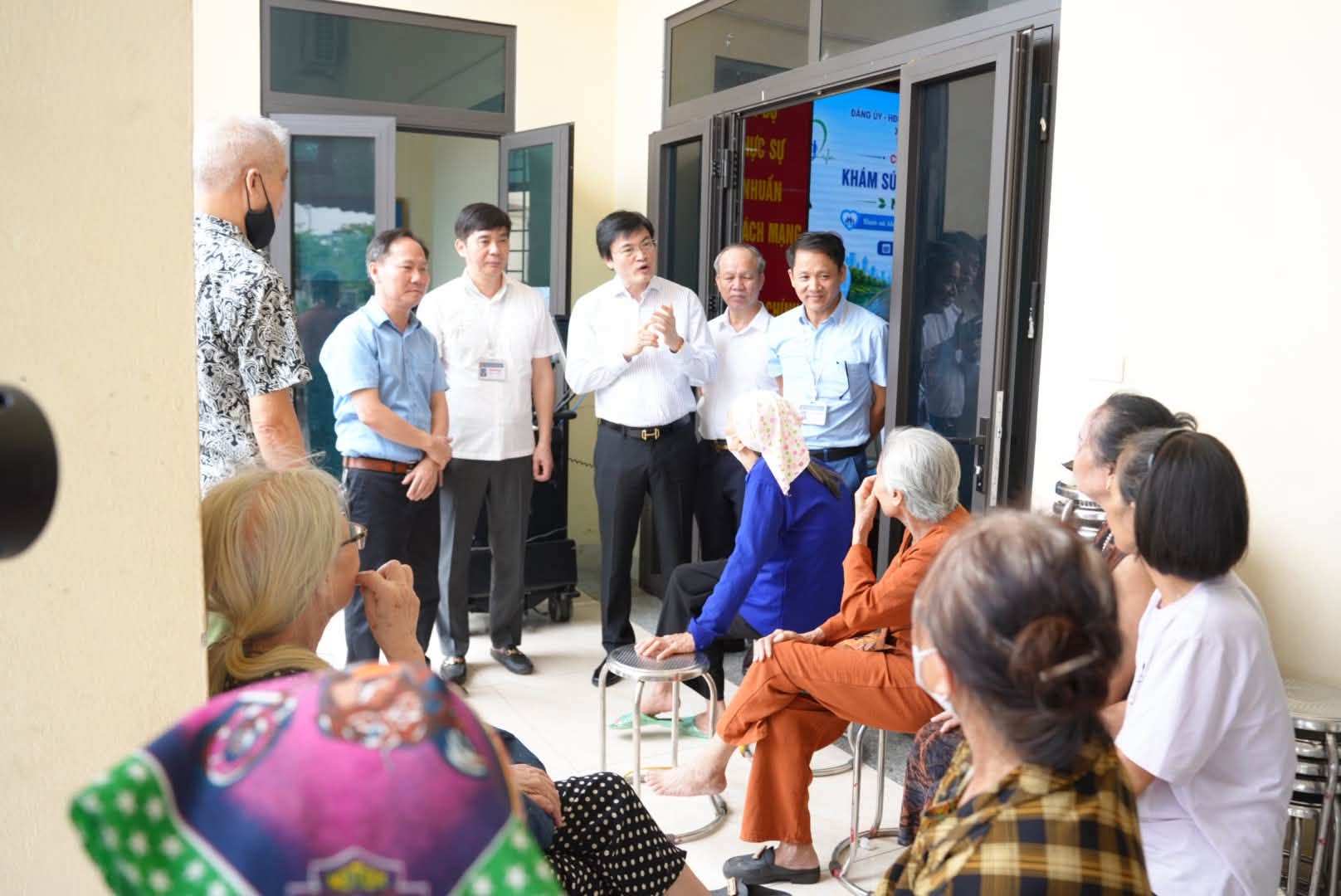
In the early stages, the city prioritizes policy groups such as people with meritorious services to the revolution, wounded soldiers, sick soldiers, families of martyrs, the elderly, poor and near-poor households and people in difficult circumstances. This activity is also towards celebrating War Invalids and Martyrs' Day July 27, contributing to the good implementation of social security policies and health care for priority subjects.
The highlight of the program is that all health check-up results will be updated into each individual's electronic health record. This is the first time that people's periodic health check-up data is centrally managed, creating a platform for continuous health monitoring along the life cycle, serving management, care and disease prevention in a long-term, scientific way.
With the view of putting people at the center, in 2026, Hanoi will implement periodic health check-ups or free screenings at least once a year for all people in the area. This policy aims to gradually realize the goal of all people having their health managed continuously throughout their lives, detecting diseases early for timely treatment, reducing the burden of medical examination and treatment costs and improving the quality of life.
According to the plan of the Hanoi Department of Health, the program is implemented in 126 communes and wards, applied to permanent or temporary residents from 12 months or more, whose information is verified through the VNeID application.


