
At the age of 42, Ms. Binh, living in Bac Ninh, works as the chief accountant at a private company, while taking care of her elderly mother-in-law and two children in school. Between work and family responsibilities surrounding her, she delayed monitoring her health even though she had HPV positive results since the beginning of 2024.
By 2026, receiving the company's health check-up benefits at a specialized cancer screening medical facility, she decided to go for an examination. However, this time the results did not stop at only detecting the virus.
After two years of delaying HPV monitoring, cervical precancerous lesions detected
During the examination, the doctor recorded lesions when performing a cervical examination. Cellography recorded suspected high-level lesions.
Immediately after that, she was recommended for a specialist examination. At the hospital, the final diagnosis determined to be moderate dysplasmic sclerocytic papilloma (CIN2), belonging to the group of high-level scleroencephaloid endoplasmic lesions (HSIL). This is a precancerous lesion, not cervical cancer, treated by removing abnormal tissue to reduce the risk of developing cancer.
Ms. Binh's lucky point is that the injury was detected when it was still possible to intervene before progressing to cancer. However, delaying re-examination for 2 years does not mean HPV has disappeared on its own or there is no other risk of cancer.
According to WHO, most cases of HPV infection are controlled by the immune system. But if HPV infection is prolonged at high risk, the virus can cause cell mutations, form precancerous lesions and progress to cancer. This process depends on many factors such as HPV type and each person's immune status.
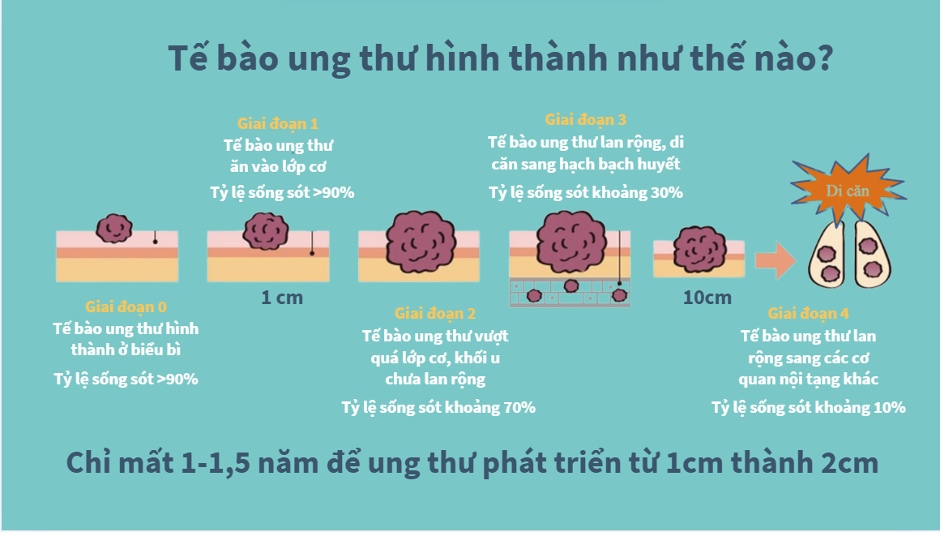
Therefore, it is not possible to take Ms. Binh's developments as a basis to rely on delaying it in others. With the HPV group at high risk (most commonly type 16 and 18), it is likely to cause precancerous and malignant cancer damage if the infection is prolonged (chronic) and the immune system cannot self-expel it.
When thinking back to the time she received the results, Ms. Binh secretly thought: "If I had discovered it in a late stage, who would have taken care of my children and parents when I was being treated, could my finances be taken care of?".
Taking care of your own health is second to family responsibilities
Ms. Binh's concern reflects the situation of the "bread sandwich" generation - a term used for people with elderly parents and young children aged 35-50 by American sociologist Dorothy Miller. They also need to take care of two generations, maintain work and ensure finances. According to the General Statistics Office, by 2026, one-third of Vietnam's population is in the age group that can face this situation.
In fact, many Vietnamese people only really care about health check-ups when there is a "good enough reason" to promote them, such as when the company organizes periodic check-ups, abnormal symptoms appear, or when relatives have health problems. As for diseases that progress silently, proactive screening when there are no symptoms has not yet become a common habit.
When the "bread sandwich" generation is surrounded by daily responsibilities, if they still feel healthy, they can use that as an excuse to postpone periodic check-ups.
Being healthy is not just an obligation to oneself
According to Assoc. Prof. Dr. Nguyen Hai Anh - Professional Director of NURA Vietnam: Self-care also needs to be maintained in daily life, from sleep, exercise, rest to health checks suitable for age and personal risk. When there are abnormal results, it is necessary to clarify with the doctor the next step and appropriate implementation time.
For busy people with a lot of responsibility to parents and children like Ms. Binh's case, a convenient schedule but screening for many cancers and lifestyles will be suitable for the " sandwich" generation to arrange time without affecting family matters.
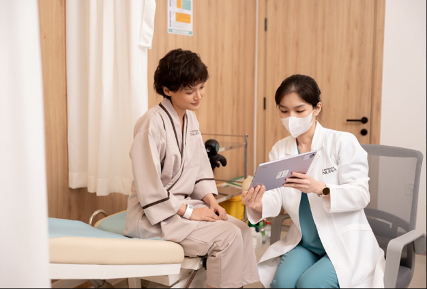
The high-tech screening center NURA owns a examination process of only 120 minutes that can bring convenient solutions for health screening. In addition to tests to assess lifestyle diseases such as metabolic disorders, blood fat, high blood pressure..., the exclusive AI system from Fujifilm provides a millimeter-sized lesion marker, assessing the risk of cancer. Doctors will synthesize results, advise on monitoring and connect specialists for treatment when needed.
According to data provided by the unit, from July 1, 2024 - August 15, 2026, the system screened more than 42,000 customers, of which more than 16,000 customers were aged 35 - 50. Notably, 84.8% of customers of this age group have at least 1 health abnormality, typically such as: lungs, cardiovascular system, mammary glands, cervix, kidney function, visceral fat,...
For those who are the support of parents and children, taking care of their own health is not only a responsibility to themselves but also helps families to be proactive in long-term plans, instead of relying on luck.


