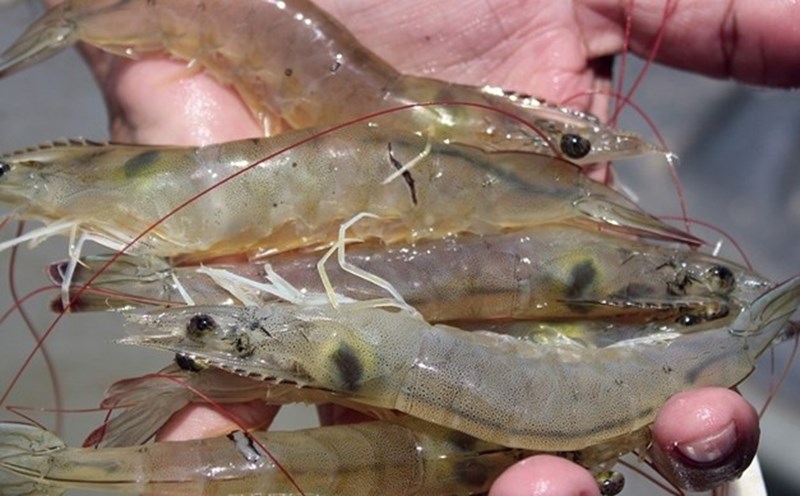
River shrimp and sea shrimp have almost the same nutritional value, differing only in a small number of components. River shrimp are often richer in fat, cholesterol, vitamin A, vitamin E, calcium and potassium. Meanwhile, sea shrimp contain more niacin and selenium, and also have a high sodium content due to living in saltwater environments.
Whether river shrimp or sea shrimp, both are rich in protein, soft meat, easy to digest and provide many important minerals such as calcium, magnesium, phosphorus and iron. Compared to poultry meat, shrimp has lower fat content and is rich in unsaturated fatty acids, which help reduce the risk of blood fat disorders and cardiovascular diseases.
Shrimp, although high in cholesterol, is rich in taurine - a substance that helps reduce cholesterol in the blood. In addition, shrimp also contains astaxanthin, a powerful antioxidant with anti-aging properties. Thanks to this, shrimp is considered a nutritious food and can be processed diversely such as boiled, steamed, stir-fried, braised or fried.
Regarding cooking methods, boiling and steaming are two ways to help retain the most nutrients. Boiling can cause a loss of some vitamins and minerals that are water-soluble, while steaming is less exposed to water, which limits the loss of nutrients. Therefore, steaming or boiling should be prioritized and frying should be limited to preserve the nutritional value as well as the freshness of shrimp.