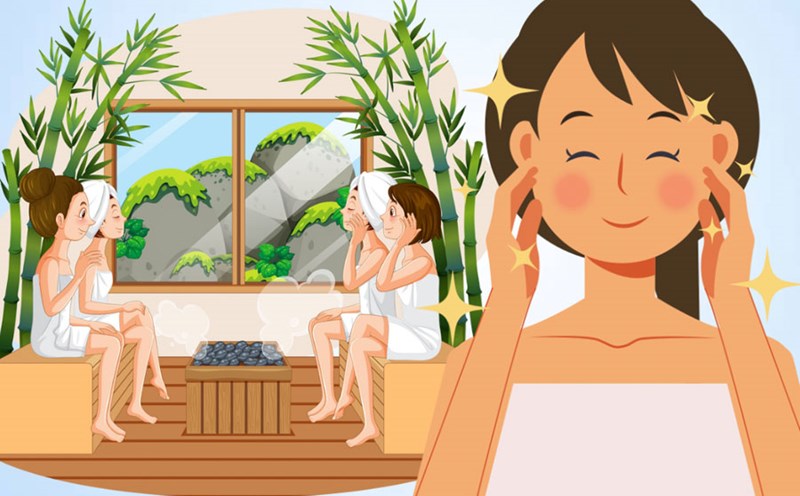
What is the exact procedure for sauna therapy?
Sauna is a warm and moist air breathing method, mainly based on folk remedies, which helps reduce nasal congestion and soothe irritation of the upper respiratory tract.
Dr. Basavaraj S Kumbar, an internist at Aster Whitefield Hospital (India) said: "The temperature from steam helps dilute mucus, soothe inflamed tissues, thereby temporarily facilitating air circulation. The moisture from steam also helps soothe a dry cough.
Hot water does not kill bacteria in the nose or throat, but helps control symptoms effectively. It moisturizes dry areas, pushes phlegm out and reduces throat irritation, providing comfort until the body recovers on its own.
How to do steaming therapy properly
Steaming has many benefits but needs to be done properly to avoid burns or irritation. Dr. Kumbar guides:
Prepare water: Boil water hot enough to create steam, avoid boiling too much.
Steamer in a bowl/pot: Pour hot water into a bowl or pot. Sit comfortably, face into the bowl, keeping a safe distance of 2030 cm. Use a towel to retain steam.
Breathe slowly and deeply: Take a few minutes, rest for a few seconds if you feel hot. Repeat for 1015 minutes.
If the steam is too strong, you only need to stir-fry for 5 minutes to be effective. Do not breathe air that is too hot or exceeds the body's endurance limit.
How long should you steam at once?
Adults can take a steam 2-3 times a day, resting for a few hours between times.
Taking too much exercise can dry out your nasal passages and irritate your skin.
For people with chronic nose disease or allergies, steaming should combine drinking enough water, washing their nose and treating them according to the doctor's instructions.
Benefits of sauna in winter
Winter often causes dry air, making cold symptoms, sinusitis or allergies worse. Sauna helps:
moisturize your respiratory tract, reduce dry nose and throat.
Dilute thick mucus, helping to expel the mucus.
Reduces irritation caused by fireplaces, pollution or cold air.
Helps breathe easier and sleep better.
Sauna does not shorten the duration of infection, but quickly reduces symptoms and creates immediate comfort.
Children's safety
Children under 78 years old should not inhale hot water vents directly because of the risk of burns.
Instead, turn on the humidifier, shower warm or let your child into a bathroom with light steam from the lotus faucet.
Older children may experience steaming under the supervision of adults.
Do not add essential oils or conditioners to your baby's stockings, as sensitive respiratory tract are easily irritated.
Risks of inhaling water steam
Burns: If hot water is poured or standing too close.
Water that is too hot: Can cause redness, coughing, dizziness.
Dry mucous membranes: Taking too much air can make nasal congestion worse.
Essential oils: Can cause allergies, coughs, and eye irritation.
People with chronic diseases: Respiratory disease, heart disease or severe tubal infection should consult a doctor before taking a tea bag.
Note
Sauna is not a direct treatment but an effective supportive therapy at home to control nasal congestion and winter respiratory problems. In addition, many people find that steaming also helps brighten the skin and clear the airways, although these benefits are still being studied further.