
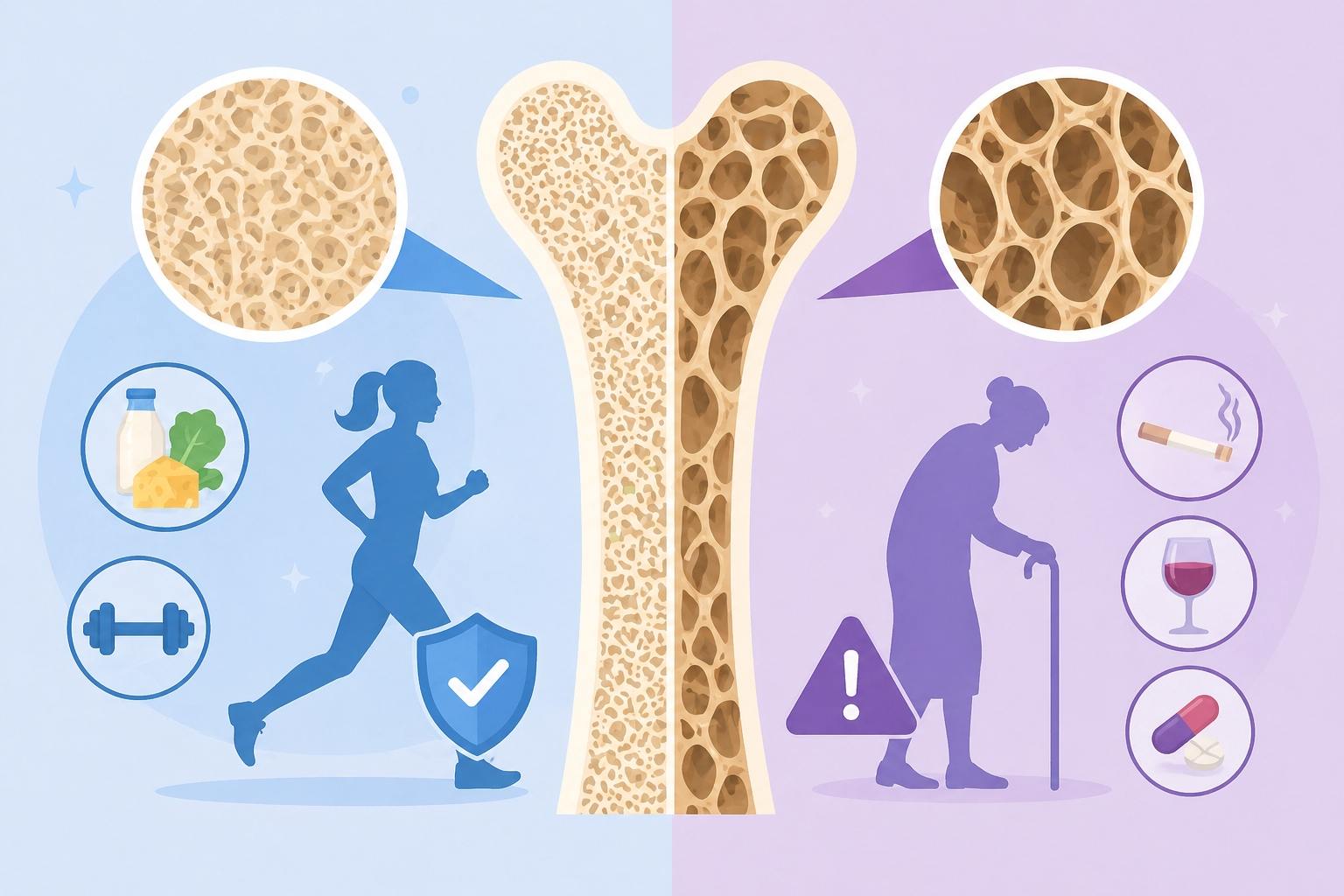
According to Sciencealert, osteoporosis occurs more often in postmenopausal women and the elderly. It is estimated that there are more than 500,000 fractures in the UK each year related to low bone density.
The disease usually does not cause obvious symptoms. Many people only detect it when they have fractures or undergo bone density checks due to age, menopause, or other risk factors.
According to experts, bones in the body always undergo a continuous regeneration process. Old bones are decomposed and new bones are formed. In the early stages of adulthood, these two processes are balanced. However, after the age of 20 to 30, the amount of bone lost begins to be greater than the amount of bone newly created, causing bone density to gradually decrease over time.
Aging is considered the biggest risk factor for osteoporosis. In addition, hormonal changes, especially the decline in estrogen after menopause, can accelerate bone loss in women.
Many lifestyle factors also affect bone health. Smoking, drinking a lot of alcohol, lack of exercise or a diet lacking calcium and vitamin D can weaken bones over time.
Some medications such as long-term steroids, along with diseases affecting nutrient absorption such as Crohn's disease or celiac disease, can also increase the risk of the disease.
According to The Conversation, early detection of bone density decrease plays an important role in preventing more severe osteoporosis. Bone density is usually measured by DXA scanning, a low-dose X-ray method used to assess bone strength.
Treatment is often focused on the goal of slowing down bone loss and reducing the risk of fractures. Patients may be recommended to change lifestyles such as quitting smoking, limiting alcohol, maintaining a healthy weight, and increasing exercise.
Weight-bearing exercises such as walking, jogging, or dancing are said to stimulate bone formation. Exercises that increase muscle strength and improve balance such as Tai Chi also help reduce the risk of falls leading to fractures.
A diet rich in calcium and vitamin D is considered an important factor in maintaining bone health. In some cases, doctors may prescribe vitamin D supplementation or use medication to limit bone resorption if the risk of fractures is high.
Mild osteoporosis should not be considered a less serious condition but should be considered a warning sign for early intervention. Experts believe that maintaining a healthy lifestyle for a long time is still the most effective solution to protect bone health and reduce the risk of osteoporosis in the future.


