However, nutrition experts warn that using too many of these spices can significantly affect health if not properly controlled.
According to the World Health Organization, the amount of free sugar consumed each day should be less than 10% of the total energy intake into the body. Whether it is white sugar or black sugar, exceeding the recommended level increases the risk of obesity, type 2 diabetes and cardiovascular disease. Many people mistakenly believe that black sugar is "better" because it is less refined, but in reality the nutritional difference is not too large.
Dr. Frank Hu, a nutritionist at Harvard T.H. Chan School of Public Health (USA), said: "The important thing is not the color of the sugar but the total amount of sugar consumed daily." He emphasized that many processed products today already contain high levels of sugar, so users need to limit adding sugar during cooking.
International chefs also recommend using black sugar at a moderate level to maintain flavor balance instead of abusing it to create a dark color for braised dishes, sauces or milk tea. Some Japanese culinary experts say that a portion of sugar can be replaced by natural vegetables such as onions, carrots or apples to create a sweeter and safer taste.
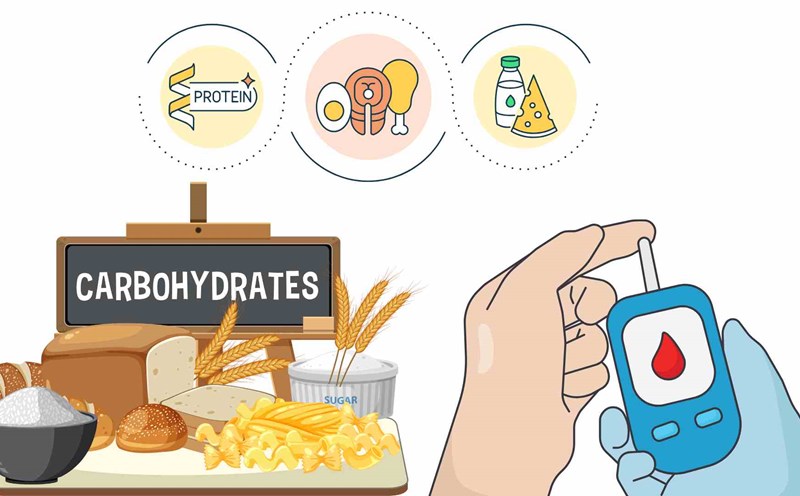
In addition, consumers should prioritize a diet rich in green vegetables, protein and low-processed foods. Reading carefully the nutritional components on the packaging also helps control the amount of sugar absorbed into the body more effectively.
In the context of increasing metabolic diseases, using black sugar reasonably not only makes food more delicious but also contributes to protecting the long-term health of the whole family.