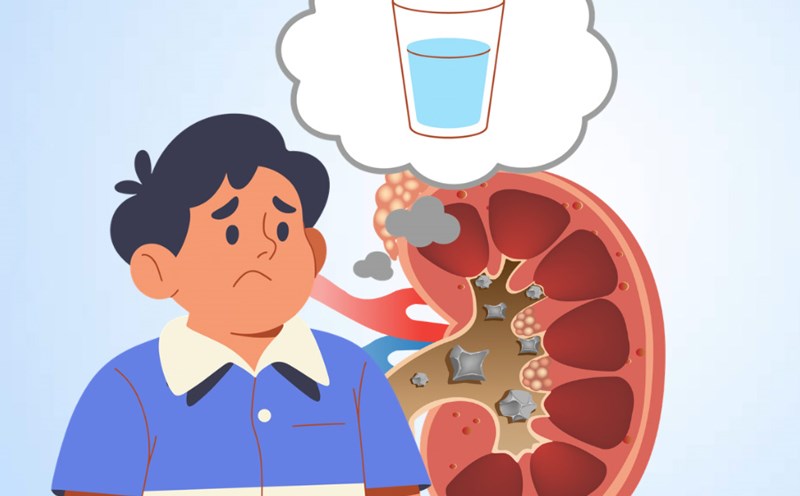
Dehydration is a common condition, especially in hot weather or when the body is actively. Besides familiar signs such as dry mouth, dizziness or fatigue, experts say dehydration can also significantly affect mental health.
According to Dr. Sharadhi C, a psychiatrist consultant at Aster CMI Hospital (India), the brain contains a large amount of water, so it is very sensitive to dehydration in the body. Even mild dehydration can cause many symptoms such as headache, difficulty concentrating, fatigue, irritability and mood swings. In some people, this condition can also increase feelings of stress or anxiety.
When the body is not provided with enough water, blood flow and oxygen to the brain may decrease. This affects thinking ability, memory and decision-making process. In addition, dehydration can also change the balance of chemicals in the brain related to emotions and mood. People who are experiencing problems such as anxiety or depression may feel symptoms become more obvious when the body is dehydrated.
Experts also say that dehydration can increase cortisol levels, the hormone associated with stress. When cortisol is high, the body simultaneously reduces the production of neurotransmitters that create positive feelings such as serotonin, dopamine, and oxytocin. This change can make many people feel irritable, sad, tired, or lose energy. At the same time, the body may experience reactions similar to anxiety such as rapid heartbeat, shortness of breath, sweating, or muscle tension.
According to Dr. Sharadhi C, many people often only pay attention to diet or sleep and ignore the role of drinking enough water for mental health. To limit dehydration-related problems, you should maintain a regular drinking habit throughout the day, even when you are not thirsty. In addition to filtered water, people can supplement with water-rich foods such as watermelon, cucumber, orange or green vegetables. In hot weather or after exercise, the body's water needs can increase significantly.
Experts also recommend limiting the consumption of too much caffeine and alcohol because these are factors that can make the body lose water faster. Drinking enough water not only supports the body's activities but also contributes to maintaining alertness, stabilizing emotions and improving mental health every day.
The information in the article is for reference only, not for medical diagnosis or treatment. You should talk directly to your doctor for accurate and appropriate advice to your health condition.