
Cooling down in the summer is an essential need. However, abusing sour soups or herbal drinks that are not suitable for physical condition can unintentionally cause blood pressure fluctuations and affect cardiovascular health.
Natural origin" does not mean harmless
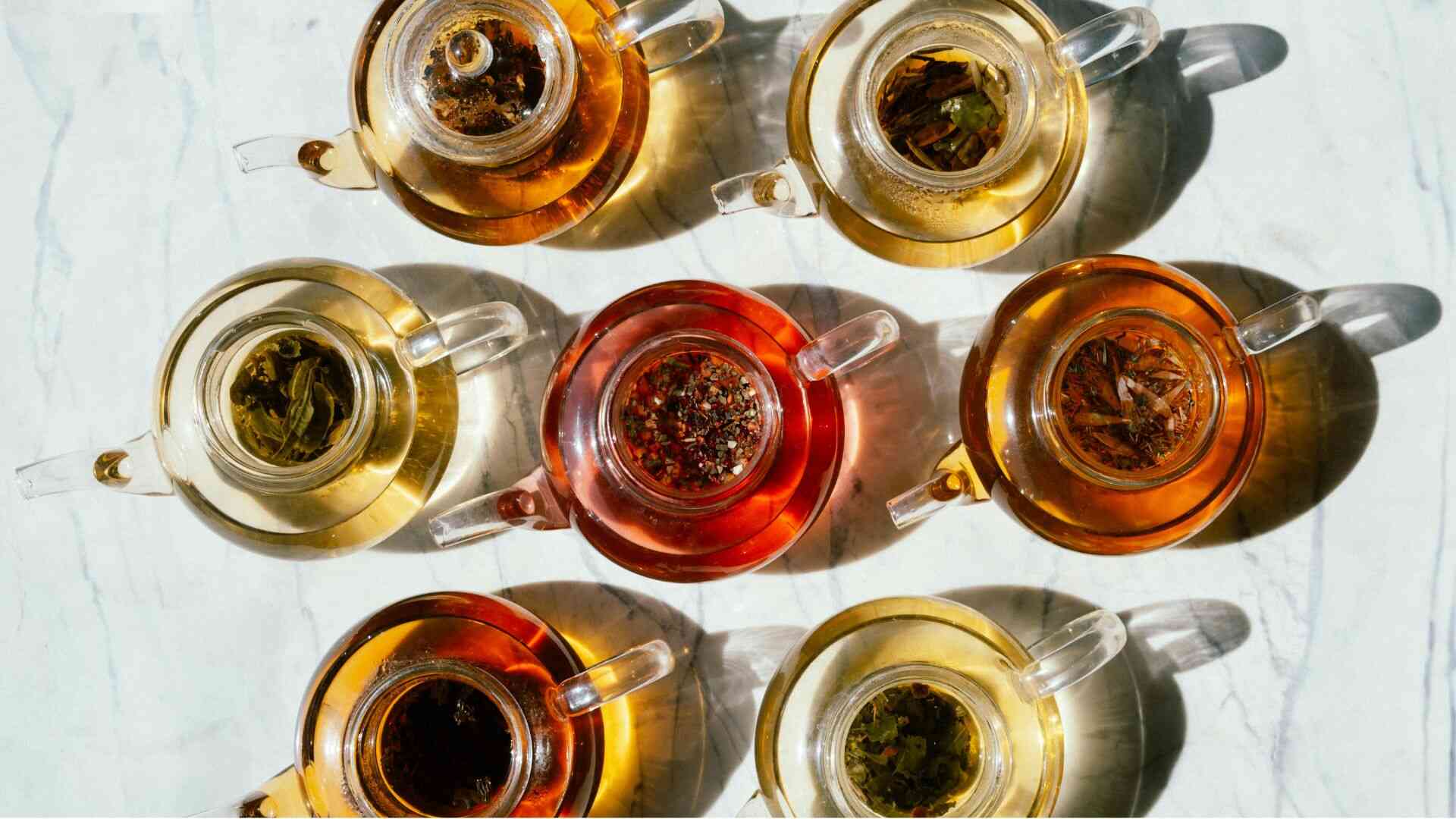
Many people believe that cool drinks and herbal teas (sweet sugar, arrowroot, plantain...) are completely harmless because they are extracted from nature. However, according to the Cleveland Clinic, some types in this group of drinks have diuretic properties. If hypertensive patients use too much, continuous water excretion can cause dizziness, fatigue, and low blood pressure in sensitive people.
In addition, processed soft drinks often contain a lot of sugar. Regular consumption can make it difficult to control blood sugar in patients with diabetes accompanied by cardiovascular disease.
| Drinks / Foods | Medical impact | Safety recommendations |
|---|---|---|
| Drink a maximum of 300-500 ml/day, do not replace filtered water. | ||
| Do not arbitrarily add salt; only replenish electrolytes according to instructions when dehydrated a lot. | ||
| Contains a large amount of sodium from salt/fish sauce, which increases water retention, increases circulatory volume, thereby making blood pressure difficult to control. | Season slightly, ensure the total amount of salt intake is below 5g/day. |
Risks of drug interaction from green vegetables
Depending on the ingredients and seasoning, cooling soups can directly affect the circulatory system. Medical experts from Mayo Clinic note that some vegetables used in soups (such as chives) are low in calories but contain Vitamin K (about 63.3 mcg/100g).
For cardiovascular patients using anti-blood clotting drugs that resist vitamin K (such as Warfarin, Coumadin), consuming too many foods rich in vitamin K can reduce the antifreezing effect of the drug, indirectly threatening the stability of the circulatory system.
Safe heat relief solutions for patients
To protect blood vessel walls in hot weather, patients need to pay attention to:
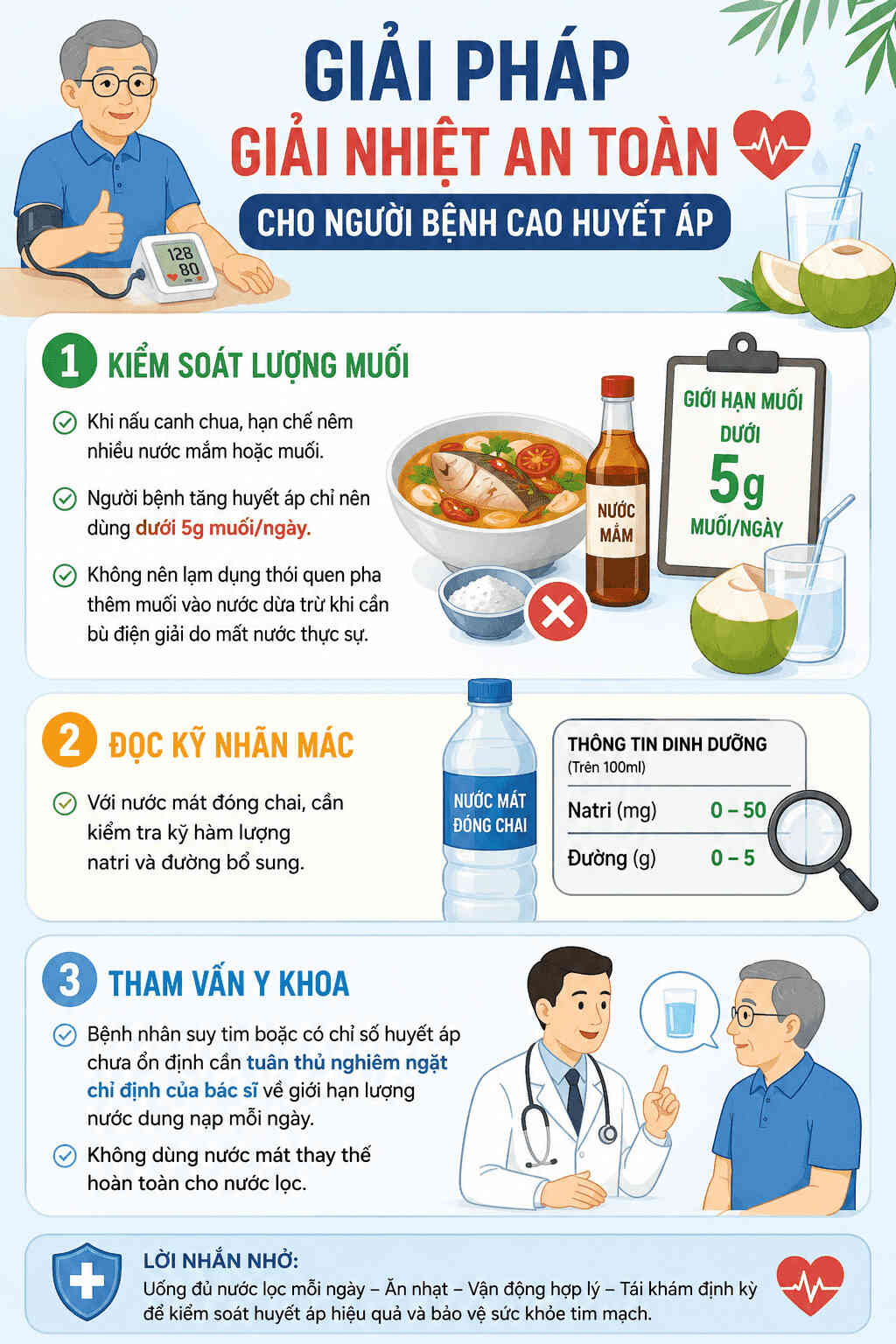
Control salt intake: When cooking sour soup, limit adding too much fish sauce or salt. The World Health Organization (WHO) recommends that people with high blood pressure should only use less than 5g of salt/day. Similarly, you should not abuse the habit of adding salt to coconut water unless you need to replenish electrolytes due to real dehydration.
Read the label carefully: For bottled cooling water, it is necessary to carefully check the sodium and added sugar content.
Medical consultation: Patients with heart failure or unstable blood pressure need to strictly follow their doctor's instructions on limiting the amount of water ingested each day. Do not use cool water to completely replace filtered water.
Nutrition information is for reference only, not to replace medical treatment regimens. Patients should talk to their doctor to have the most appropriate diet.
Questions and answers about diet to help cool down summer days for people with high blood pressure
Should people with high blood pressure drink coconut water mixed with salt to replenish water on hot sunny days?
Do not abuse it. Cardiologists from the medical website Mayo Clinic recommend that people with high blood pressure need to strictly control their sodium intake. Arbitrarily adding salt to coconut water will cause excess sodium, causing water retention and spiking blood pressure levels. You should only apply this method when you are severely dehydrated due to diarrhea or overexertion.


