When winter comes, the amount of sunlight decreases and the day is shorter, increasing the risk of vitamin D deficiency. Vitamin D plays an important role in bone health, the immune system and mood. Although vitamin D supplements are recommended during the cold months, many experts believe that vitamin D needs can still be met through natural foods.
A balanced diet rich in natural foods contains vitamin D, which helps maintain vitamin D levels and provides essential nutrients for the body, says Divya Gandhi, a nutritionist at Divya Gandhi Nutrition Clinic, Delhi (India).
Fatty fish
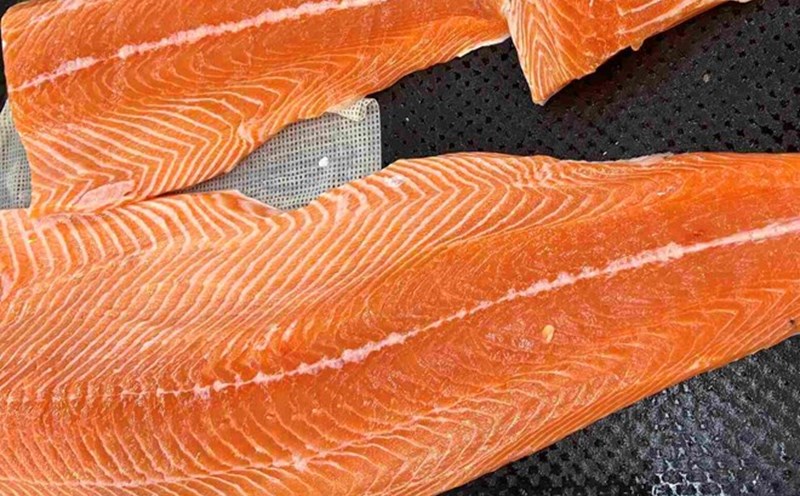
Fatty fish is a rich source of natural vitamin D. Fish such as salmon, sardines, tuna or mackerel not only provide vitamin D but also provide omega-3 fatty acids, which are good for the heart and reduce inflammation.
Mushrooms exposed to UV rays
Mushrooms have the ability to produce vitamin D when exposed to UV rays, which is especially useful for vegetarians or vegetarians.
Egg yolks
Egg yolks contain vitamin D, protein and important micronutrients. expert Buddha emphasized: "Red blood provides more nutrients than white blood, so priority should be given to using it".
Cheese and yogurt
Dairy products provide small amounts of vitamin D and calcium, while improving digestion and strengthening the immune system.
Nutrition-enhancing foods
Foods supplemented with vitamin D, such as milk, plant milk, breakfast cereals or orange juice, are convenient choices for daily supplementation.
By getting vitamin D from foods combined with healthy fats, the body absorbs it better and at the same time receives many other nutrients, creating a love effect that functional foods alone cannot bring, notes expert Buddha.