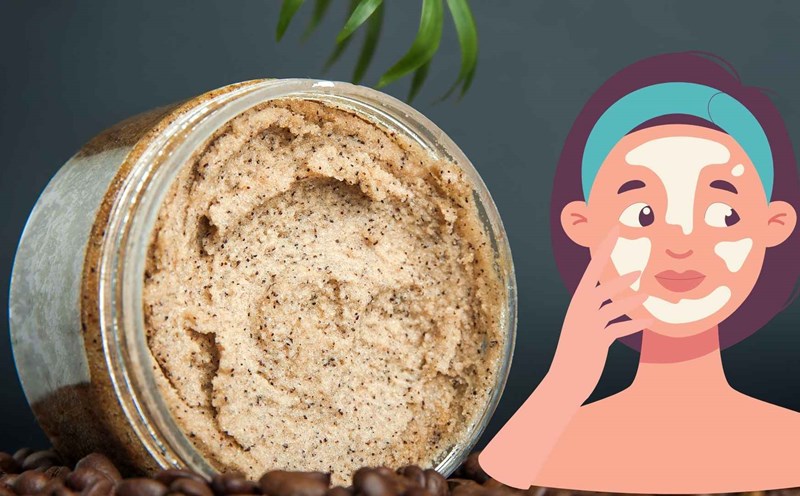
Exfoliation helps skin become brighter and smoother, but abusing or combining many strong active ingredients can cause damage. At that time, the skin is easily dry, tense, hot, red, flaky and becomes sensitive.
According to Ruben Bhasin Passi, dermatologist at CK Birla Hospital (India), using physical exfoliation, AHA, BHA or retinoids too often can weaken the cornea, protective barrier that helps prevent dehydration and harmful agents. When this membrane is broken, dehydration through the epidermis increases, making the skin more susceptible to inflammation and sensitive.
Skin can still recover if properly cared for, with steps focused on soothing and regenerating the protective barrier.
Stop all irritant active ingredients
The first important step is to immediately stop products containing AHA, BHA, retinoids, high concentrations of vitamin C and physical exfoliation forms. Cosmetics with fragrances should also be temporarily suspended from use to limit the risk of further irritation.
The removal of irritants creates conditions for the natural lipid regeneration process of the skin to restart. In this stage, the care process should be simplified, including only a gentle cleanser, restorative cream and sunscreen during the day.
Prioritize restoring skin protection barriers
After stopping strong active ingredients, the focus of skin care shifts to protective membrane reconstruction. You should choose moisturizers containing ceramides, cholesterol and fatty acids, ingredients that simulate natural lipids in the skin.
Formulas rich in ceramide have been shown to improve the integrity of the protective barrier and reduce water loss through the epidermis. When the skin is irritated, you should prioritize thick, nutrient-rich moisturizers instead of thin, light gel textures. At the same time, avoid strong foamy cleansing products because they can wash away the natural oil layer needed for the recovery process. Applying moisturizer when the skin is still slightly moist helps increase the effectiveness of water retention and supports faster protective barrier regeneration.
Strict skin protection against sunlight
When the protective barrier is weakened, the skin is easily damaged by ultraviolet rays. Sunlight can prolong redness and increase the risk of post-inflammatory hyperpigmentation.
Using broad-spectrum sunscreen with SPF 30 or higher is a mandatory step every day. For sensitive skin, mineral sunscreen may be a more suitable option. If outdoors, apply it again every 2-3 hours to maintain protective effectiveness.
Recovery time
According to Dr. Passi, the skin barrier usually takes 2-4 weeks to recover, depending on the severity of the injury. Mild cases can improve sooner if cared for properly. If prolonged burning, blisters, or severe swelling appear, you should see a dermatologist.
When the skin is overly exfoliated, it is necessary to stop strong impact, focus on restoring natural lipids and providing adequate sun protection so that the skin stabilizes soon.