
Fake goods are rampant, disrupting consumer confidence
According to consumer feedback, many products named "Dien co ba tuyet" have a similar appearance to the real product, but when used, the quality is clearly poor and the flavor is different. Many parents have taken the initiative to take photos and send them to Ms. Do Thi Tuyet, the brand owner, to ask for clarification of the origin because they are worried about affecting their children's health.
In fact, the authorities have stepped in and discovered many serious violations. March. In 2024, the authorities in Hanoi inspected agent Hong Huy in the industrial park of La Phu commune, Hoai Duc district (before the merger), and discovered 7,000 bim bim products and seaweed chicken thighs with signs of counterfeiting the brand "Eat with Mrs. Tuyet". These products are displayed for public sale, causing confusion for consumers.
By June 2025, in Thanh Hoa, thousands of fake bim bim brand packages "eating with Ms. Tuyet" continued to be confiscated and destroyed. According to the authorities, this amount of goods is not related to the genuine manufacturing unit, does not have quality inspection, does not certify food safety and poses many potential risks to health, especially for young children and students.
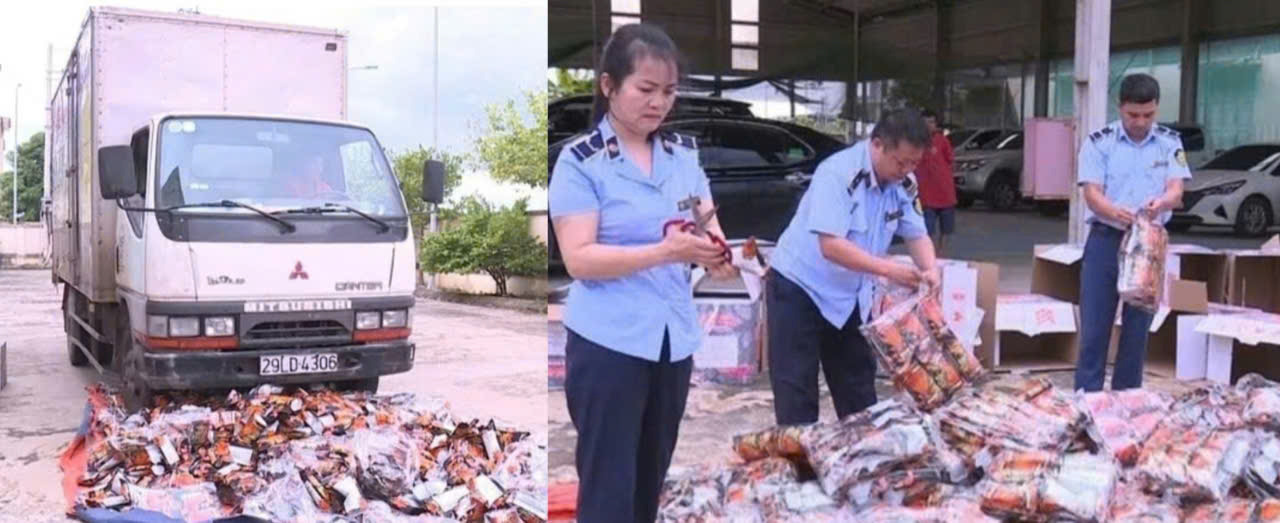
Forgery and counterfeiting not only violate the law but also directly harm the rights of consumers. Disguising brand image makes it difficult for buyers to distinguish, making it easy to buy poor quality products by mistake, while the health consequences may not be immediately noticeable.
How to distinguish between real and fake products and recommend them to consumers
Faced with the increasingly sophisticated appearance of counterfeit goods, Ms. Do Thi Tuyet has directly made videos instructing to identify real and fake products to warn consumers. Accordingly, genuine products have clear printed packaging, complete information, and even colors, while counterfeit goods often have blurred printing, incorrect names, distorted packaging colors, and inconsistent product quality.
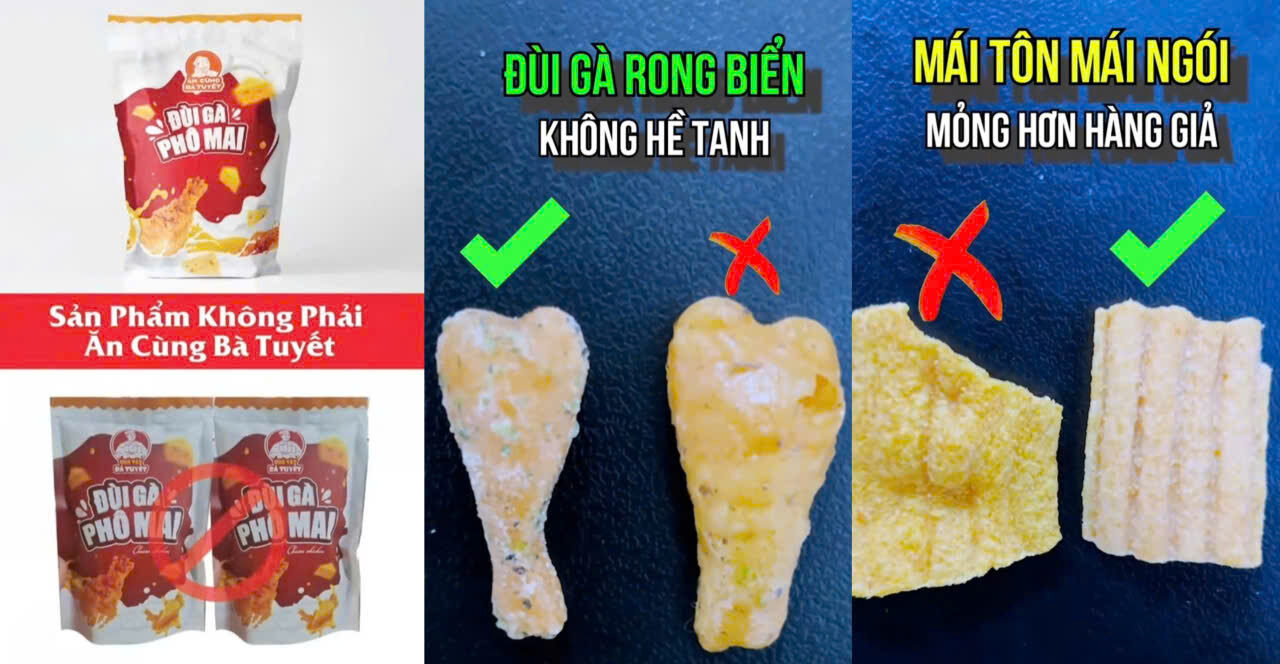
In addition, the brand representative said that they have improved packaging and added unique identifying features to make it easier for consumers to distinguish. It is expected that from 2026, businesses will apply technological measures such as anti-counterfeit stamps and QR codes to support traceability, while perfecting product identification sets to limit the risk of counterfeiting.
However, even after registering for exclusive trademark protection, the appearance of counterfeit goods still shows loopholes in market control and the recklessness of profiteers. This requires consumers to be more cautious when choosing products, prioritizing purchases at official distribution channels, avoiding floating and unusually cheap purchases.
The consecutive incidents discovered in Hanoi and Thanh Hoa are a warning bell about the situation of counterfeit goods in the food sector, especially snacks for children. When profits are placed on business ethics, the risk does not stop at economic losses or brand reputation, but also the health of an entire generation of young consumers.


