
The Pakistani government said the country's military is responding to an attack launched by the Afghan Taliban on February 26.
The Pakistani Ministry of Information declared that Taliban forces had been punished in the Chitral, Khyber, Mohmand, Kurram and Bajaur areas, and called the previous attack from Afghanistan groundless.
Islamabad affirmed that it will take all necessary measures to protect territorial integrity and citizen security.
According to Pakistan, the country's army has killed 72 Afghan Taliban gunmen, injured many others, and destroyed many military posts and equipment.
However, Afghanistan gave a completely different figure. The Afghan Ministry of Defense said 8 Afghan soldiers were killed and 11 injured. 13 civilians, including women and children, were injured when Pakistani airstrikes hit a refugee camp in Nangarhar province.
Previously, the Afghan army launched an offensive against Pakistani positions along the border, calling it a response to airstrikes that Pakistan carried out last weekend targeting militant training camps inside Afghan territory, killing at least 18 people.
The Afghan Ministry of Defense said counter-attacks took place along the border of 6 provinces and ended at midnight on the same day. The force released a video showing military vehicles moving at night with loud heavy gunfire.
Mr. Hamdullah Fitrat, Deputy Spokesperson of the Taliban government, announced that Afghan forces had killed 55 Pakistani soldiers, captured a number of people and controlled 19 military posts in Islamabad.
He said the Kabul army was deployed along the "Durand Road" - a border of more than 2,500km that is controversial between the two countries.
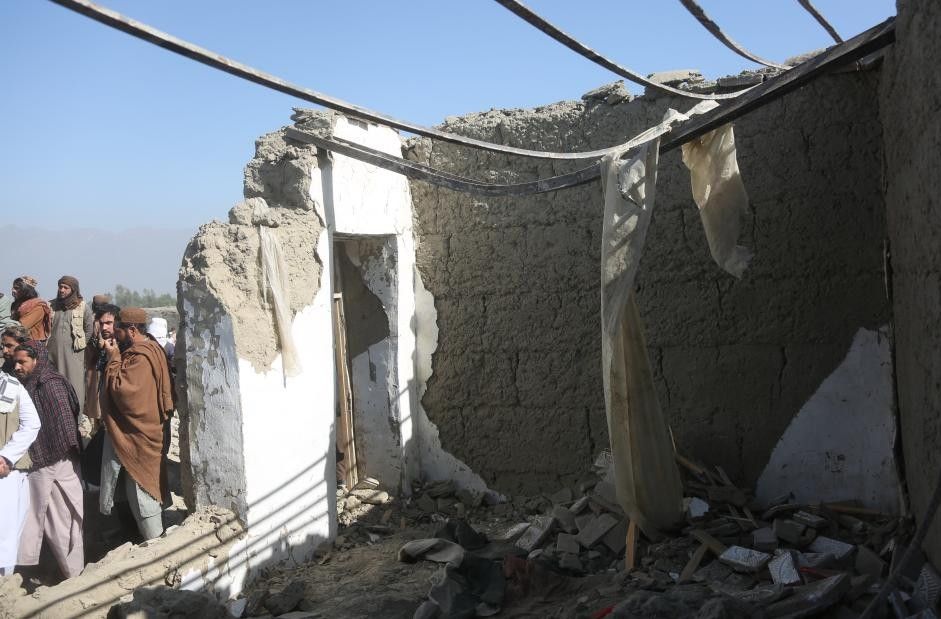
Pakistan rejected these claims. Information Minister Attaullah Tarar acknowledged casualties but at a much lower level, with 2 soldiers killed and 3 injured.
He accused Kabul of "spreading false and unfounded information", saying that after the defeat on the ground, the Taliban government is using propaganda to mislead.
The airstrikes that Pakistan carried out last weekend are believed to be aimed at camps of Tehrik-e-Taliban Pakistan (TTP), also known as the Pakistani Taliban, along with affiliated groups and an organization linked to the self-proclaimed Islamic State (IS).
Islamabad accuses these groups of being behind a series of recent bloody attacks in Pakistan and says they operate under the direction of leaders based in Afghanistan.
Pakistan said it has "convincing evidence" of the role of extremist elements based across the border. In an interview in November, Defense Minister Khawaja Asif once declared that Islamabad wanted to remove the TTP leadership in Afghanistan and would use all available measures.
The fragile ceasefire between the two countries was established in October after the most serious cross-border wave of violence in many years. However, with continuous retaliatory blows and tough statements from both sides, the risk of widespread conflict is present, threatening regional security that has been unstable for a long time.


