
Supercities such as Tokyo (Japan), San Francisco or Los Angeles (USA) are at increasing risk of suffering earthquakes when rainwater, ice and extreme weather phenomena penetrate deep into the broken zones, activating the already tightly packed areas.
California (USA) records up to 10,000 earthquakes per year, an average of once per hour. It is no coincidence that geologists think the more appropriate name for the state is terrestrical plate, because California is located right on the San Andreas fault, where two giant tectonic plates of North America and the Pacific Ocean slide side by side.
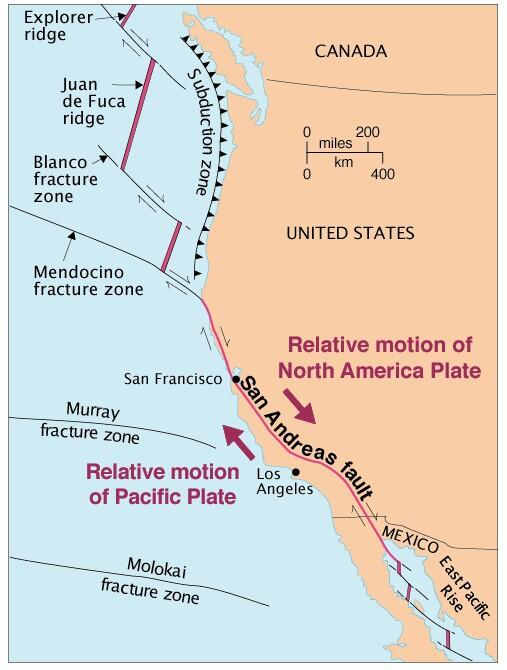
In recent years, California has attracted more attention for forest fires and flash floods - a result of global warming. However, the more frightening thing is fading away: Climate change could increase seismic activity, according to the latest studies.
The idea of climate affecting the ground was once considered unbelievable. But scientific evidence is lining up a clear picture.
Research by the Swiss Seismological Service (Swiss Seismological Service) published in the summer of 2025 shows an alarming link between the 2015 heat wave and small remnant earthquakes under the Mont Blanc (alps) bloc.
As the ice and snow melt quickly, water seepes deeper into the rock layers, flowing into the broken system across the 12km long Mont Blanc tunnel. This amount of water acts as a "grease", causing a slight disruption and causing a series of vibrations that have lasted for many years.
What is more dangerous is the continued small shaking that increases the risk of a major earthquake forming in the future.
With the rapid heating up, experts warn that the phenomenon of melting ice, perennial melting ice and extreme rain will continue to trigger earthquake activity from the Alps to Siberia (Russia).
Despite no melting ice, many supermarkets still face similar risks from heavy rains and super typhoons which are increasingly intense due to climate change.
Tokyo is threatened by tropical cyclones that are getting slower, wetter, and pouring record amounts of rain into the city. Water seeped into deep cracks underground, increasing pressure at "locked" points waiting to open.
Japan estimates the likelihood of Tokyo experiencing a major earthquake in the next 30 years at up to 70% - a number that makes any change, even the smallest, a threat.
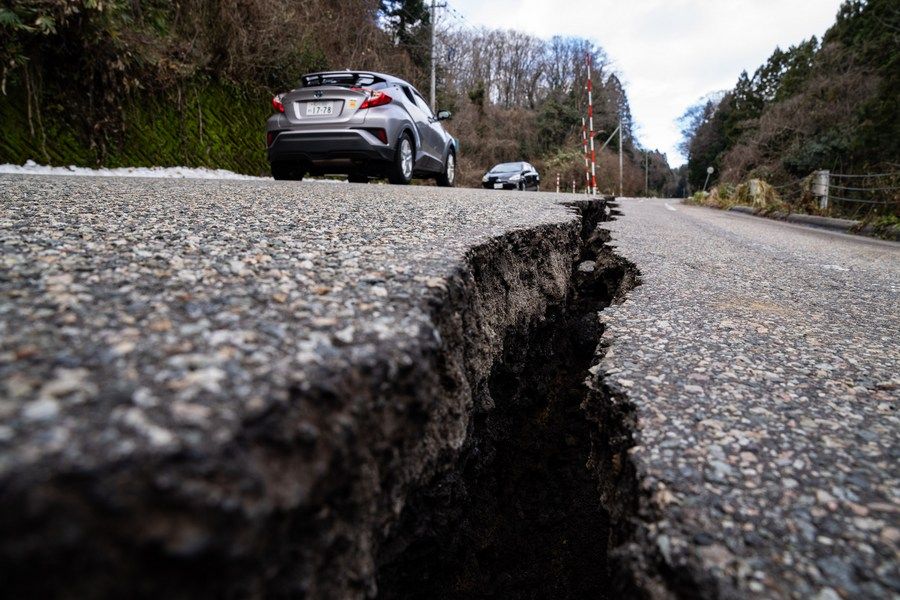
California is also waiting for a major earthquake. The US Geological Survey (USGS) warns of a more than 70% chance of a 6.7 or more earthquake in the San Francisco Bay area over the next 18 years.
Southern California is even more dangerous, with 300 cracks that could cause strong earthquakes. The biggest risk is still San Andreas, where the likelihood of a 7.5 richter earthquake in the next 3 decades is up to more than 1/3.
Such a scenario is expected to take away about 2,000 lives and cause $200 billion in damage.
Climate change is not only warming the atmosphere, it is shaking even the world's largest cities. And if the extreme weather trend continues, the red warning for the above-mentioned urban areas is only a matter of time.


