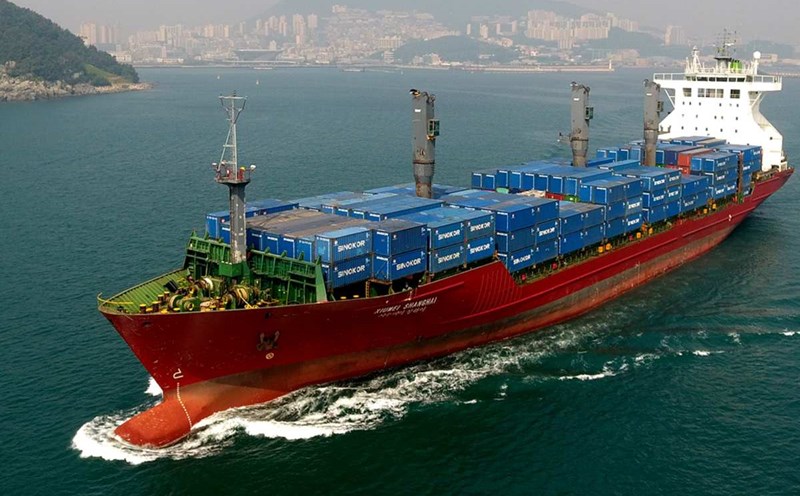
In the 47 years of existence of the Islamic State of Iran to date, maritime security through this strait has never been seriously threatened as it is now. Iran said that all ships of countries around the world, except for the US and Israel, can still safely pass through the strait.
Meanwhile, the US has fiercely attacked Iranian military facilities along the coast and repeatedly mentioned but has not specifically deployed the deployment of US warships to accompany ships through the strait. The US has also urged other partners around the world, especially China and the EU, to take similar actions in this strait area. To date, oil tankers and commercial transport ships have been attacked by Iran when passing through the strait for ignoring all Iranian warnings.
The Strait of Hormuz is near Iran and far from the US, but it is a strategic weakness of the US. The increase in oil and gas prices is harmful to the world and the US cannot avoid it either. For US President Donald Trump, this impact is very dangerous because it has a direct negative impact on the American people and the US economy, and is also evidence that the US has not succeeded in the fight against Iran as Mr. Trump himself affirmed. Oil and gas dynasties in the Gulf region, which are all US allies, suffer double losses, and must be wary of Tehran, so they only dare to accompany the US to deal with Iran to a certain extent. Iran has turned this weakness of the US and its allies into a useful weapon in the current war with the US and Israel.
In fact, the crisis in the Strait of Hormuz can be ended with a political and diplomatic solution. Because the US and Iran are currently determined not to negotiate peacefully with each other, a political and diplomatic solution can only be obtained with the intermediary role of a third party or international multilateral institutions.
Iran plays a key role in all solutions to help end this crisis, so the third party with the most potential to play a mediating role between the US and Iran can only be Russia and China. However, the current time is not suitable for building a political and diplomatic solution, because the US still believes that the US military strength will sooner or later force Iran to surrender. In other words, the US currently still advocates using military measures to handle the crisis in the Strait of Hormuz.
The negative impact of the dilemma will make Mr. Trump and the Republican Party suffer the consequences, first and foremost in the upcoming midterm congressional elections in the US.
Until a solution is found to end the crisis, immediate international efforts focus on ensuring a stable supply of oil and gas. Three common orientations for these efforts are to use strategic oil reserves, find new transportation routes to avoid the Strait of Hormuz, and the State should take on insurance to encourage private sectors to continue transporting oil and gas despite security risks.