
The precious metal market is witnessing notable fluctuations as banks in India - the world's second largest gold consumer - simultaneously suspended imports of gold and silver. The reason stems from the lack of a new directive from authorities allowing continued import activities in the new fiscal year.
According to commercial sources, more than 5 tons of gold and about 8 tons of silver are currently "stuck" at customs due to lack of official approval documents.
Usually, the Directorate for Foreign Trade of India (DGFT) will issue a list of banks licensed to import precious metals right at the beginning of the fiscal year. However, to date, the new decision has not been announced.
This delay has forced banks to stop all new import orders from international suppliers. "There is no reason to continue placing orders when previous batches have not yet been cleared," a precious metal trader in Mumbai said.
This unusual move could have a two-way impact on the market. On the one hand, weak demand from India - a huge gold consumption market - could put downward pressure on global gold and silver prices. On the other hand, import restrictions help narrow trade deficits and support the rupee, which has been one of the weakest Asian currencies since the beginning of the year.
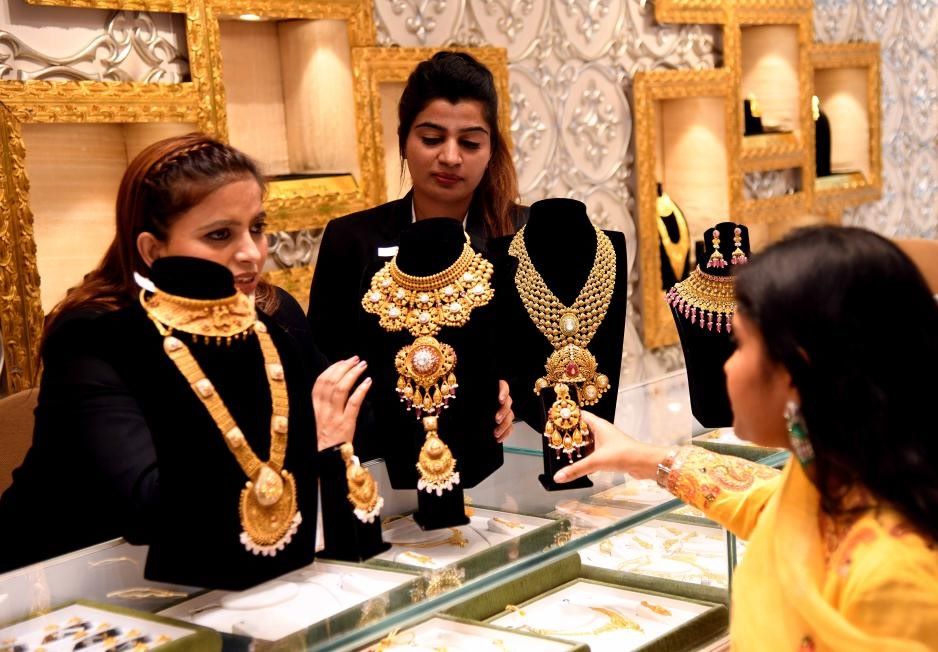
In the context of high import prices of energy, fertilizers and goods due to geopolitical tensions, the Indian government is said to be seeking to control gold imports to reduce pressure on the trade balance. This is one of the indirect measures to stabilize the macroeconomy.
However, domestic consequences may not be small. When supply from imports is disrupted, the Indian domestic market is at risk of gold shortages in the near future. This is particularly worrying as demand often increases sharply during holidays, including Akshaya Tritiya - one of the largest gold buying seasons of the year.
According to the World Gold Council, India's gold demand in 2025 has fallen to 710.9 tons - the lowest level in 5 years. However, current supply is still being eroded due to declining inventories, while the market is increasingly dependent on ETF funds - which are recording a withdrawal trend.
Experts warn that if the stagnation continues, domestic gold prices in India may increase sharply due to the supply-demand gap, despite the trend that world gold prices may be under downward pressure.
It is necessary to have clarity soon so that import activities can resume" - Mr. Surendra Mehta, representative of the Indian Gold and Jewelry Association, said. According to him, if there is no new supply, the premium will increase sharply after the festival season.
World gold price at 4:22 PM on April 17 Vietnam time traded at 4,795.32 USD/ounce, up 9.78 USD, equivalent to 0.20%.
Regarding domestic gold prices in the Vietnamese market, SJC gold bar prices are traded at 167.5 - 171 million VND/tael (buying - selling). Bao Tin Minh Chau 9999 gold ring prices are traded at 167.5 - 170.5 million VND/tael (buying - selling).


