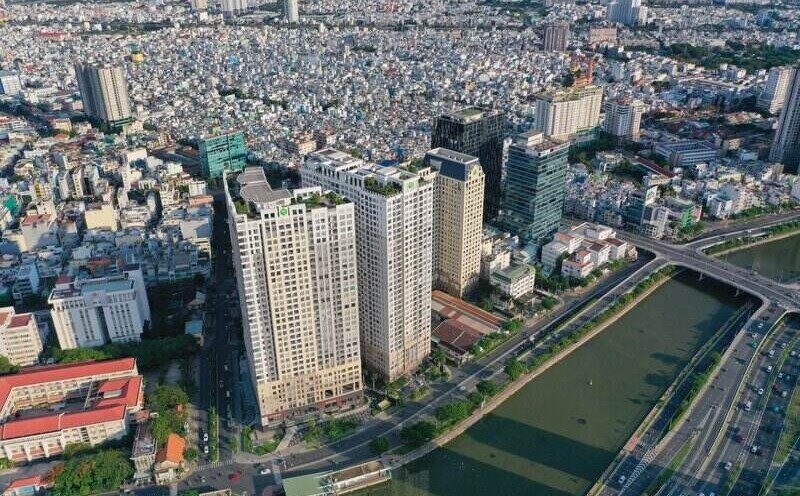
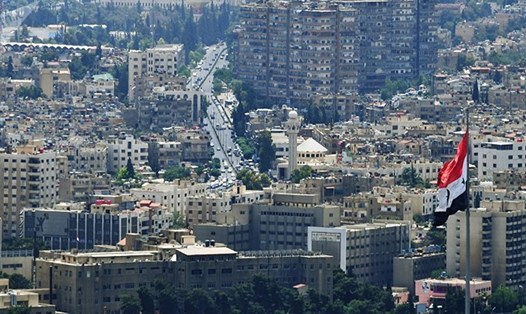
Mỹ, Pháp và Anh đã phóng hơn 100 tên lửa nhắm vào 3 địa điểm được xem là chứa vũ khí hoá học ở Syria sáng 14.4. Trong một cuộc họp báo tại Lầu Năm Góc hôm 14.4, Trung tướng Kenneth F. McKenzie Jr. xác nhận, 3 mục tiêu bị tấn công là một cơ sở nghiên cứu, một kho chứa vũ khí và một trung tâm chỉ huy.
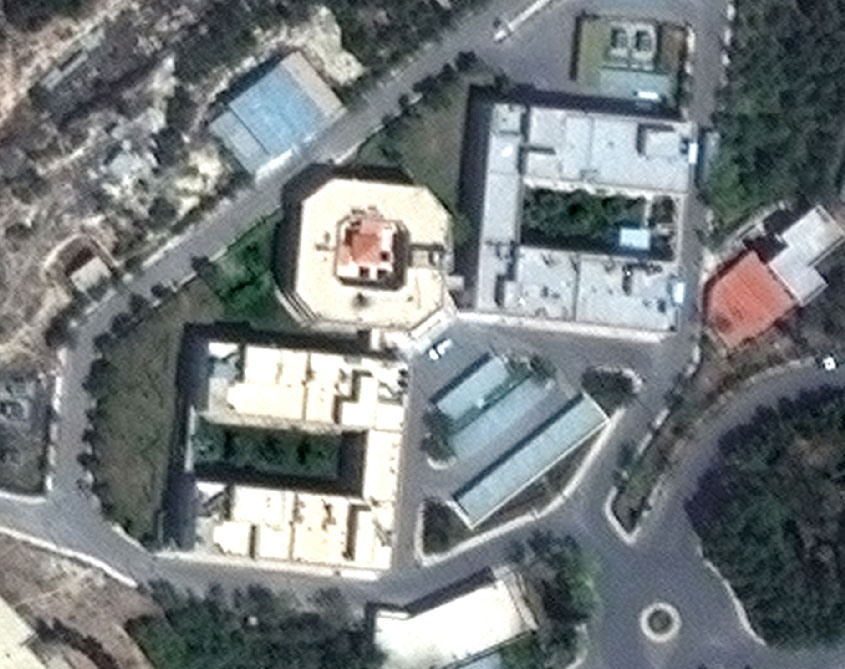
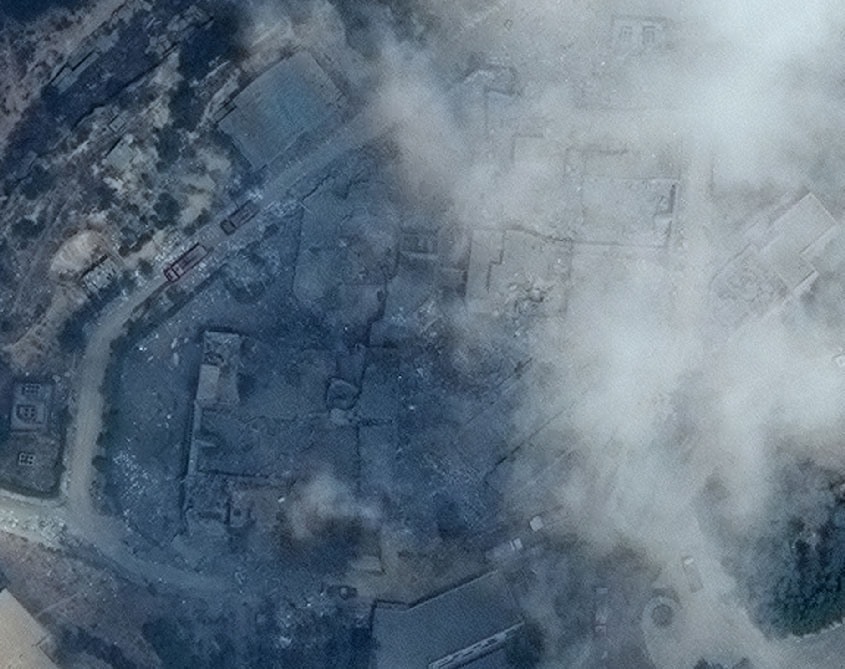
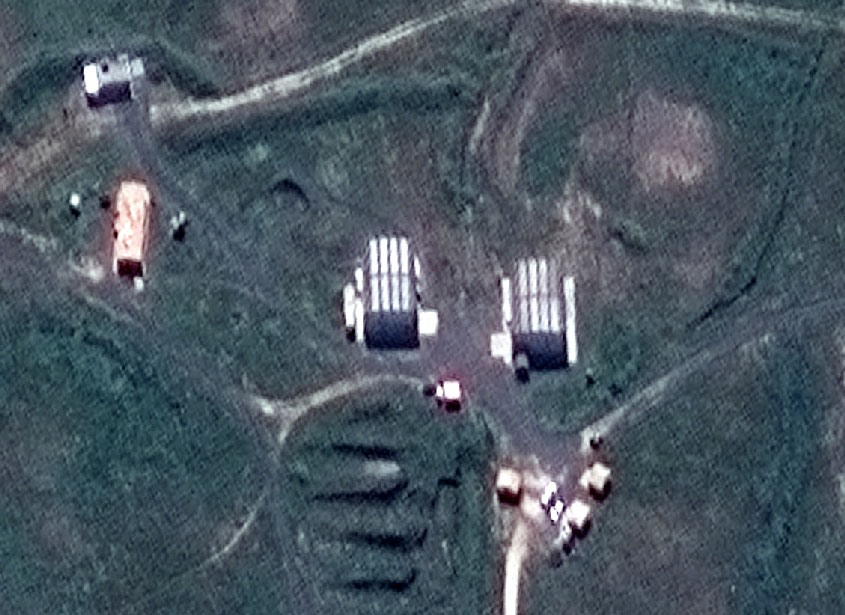
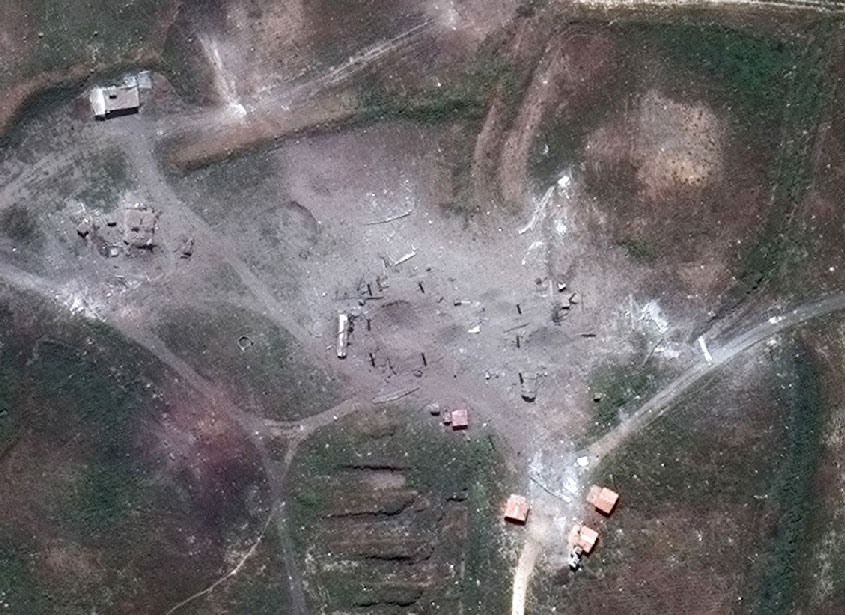
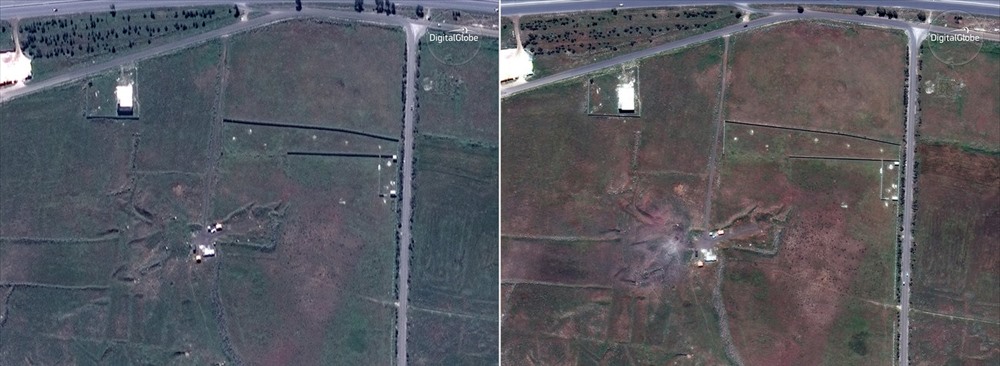
Hình ảnh vệ tinh từ công ty DigitalGlobe cho thấy, ít nhất 2 trong số 3 địa điểm này, gồm Trung tâm nghiên cứu và phát triển Barzeh và khu tổ hợp lưu trữ vũ khí hóa học Him Shinshar - trước và sau các cuộc không kích.
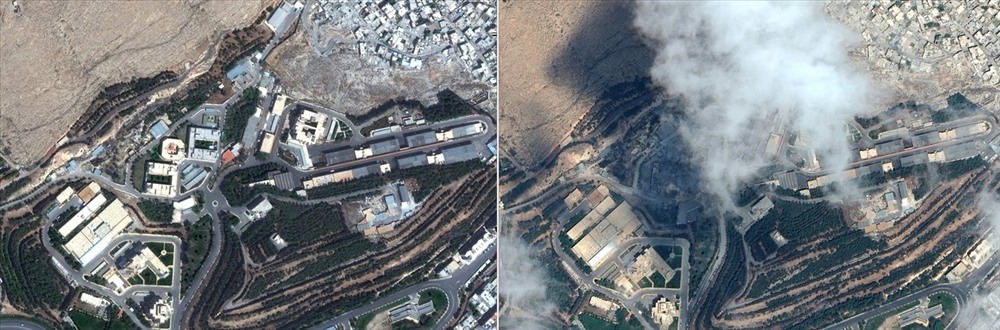
Trung tâm nghiên cứu và phát triển Barzeh, theo Lầu Năm Góc, thuộc khu vực Damascus. Mục tiêu này đã hứng chịu 76 tên lửa, trong đó có 57 tên lửa Tomahawk của Mỹ và 19 tên lửa của liên quân.
"Cuộc không kích sẽ khiến chương trình vũ khí hóa học của Syria chững lại trong nhiều năm tới", NPR dẫn lời tướng McKenzie.
"Chúng tôi đã phá hủy thành công 3 tòa nhà ở thủ đô Damascus, một trong những khu vực không phận được bảo vệ nghiêm ngặt nhất trên thế giới", tướng Kenneth F.McKenzie Jr nói thêm.
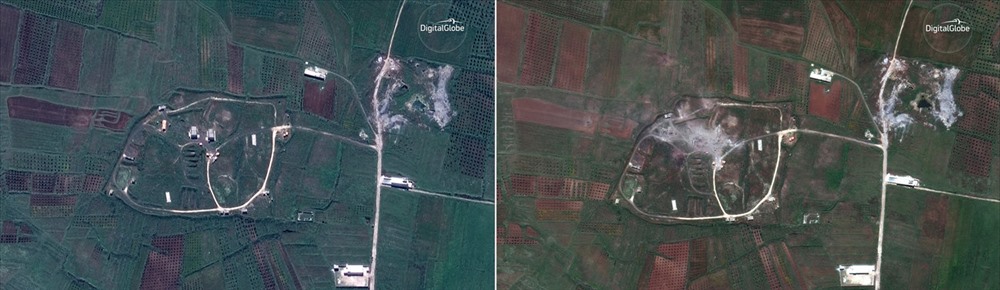
Khu tổ hợp lưu trữ vũ khí hóa học Him Shinshar nằm ở phía tây Homs, một thành phố nằm ở bắc Damascus. Cuộc tấn công vào mục tiêu này có sự tham gia của 22 vũ khí: 9 tên lửa Tomahawk của Mỹ, 8 tên lửa Storm Shadow, 3 tên lửa hành trình phóng từ tàu chiến, tàu ngầm của hải quân và 2 tên lửa hành trình tấn công mặt đất Scout.
Ngoài ra, boongke vũ khí hóa học Him Shinshar, cách khu tổ hợp khoảng 7km bị tấn công bằng 7 tên lửa Scout.
Cuộc không kích nhằm vào Syria có sự phối hợp của Mỹ, Pháp và Anh nhằm phản ứng trước cáo buộc chính phủ Syria tấn công hóa học vào Douma tuần trước.
Đây là lần thứ hai Mỹ đưa tên lửa tấn công Syria kể từ khi ông Donald Trump lên cầm quyền.