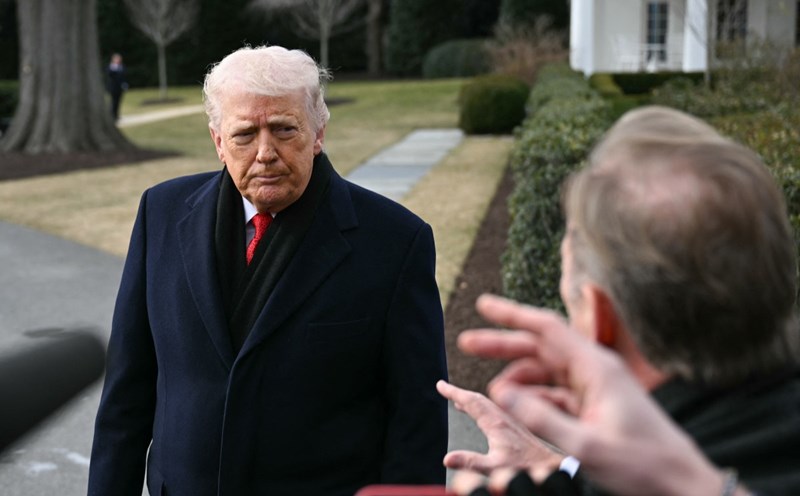
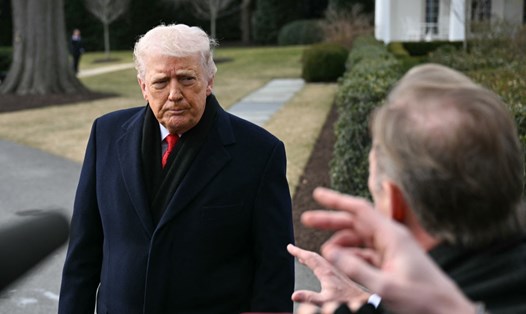
On January 18, Iran continued to send a warning message about the possibility of US attacks, in the context of the country's government facing international pressure related to violent protests.
Iranian President Masoud Pezeshkian warned that any US attack would face "harsh and regrettable" reactions from Tehran, and emphasized that targeting Iran's supreme leader would be considered a comprehensive declaration of war against this country.
Protests in Iran broke out last month at the Grand Bazaar market in Tehran due to economic dissatisfaction, then quickly spread nationwide and took political color. After the violent crackdown campaign, protests have cooled down in recent days.
In that context, US President Donald Trump has repeatedly warned that he will intervene if protesters continue to be killed or executed. In an interview with Politico, Mr. Trump said that it is time for Iran to "seek a new leadership". Meanwhile, Iran shows the possibility of continuing to execute those arrested during the unrest, a move seen as aimed at preventing US involvement.
Iranian justice officials claim that some actions in the protests are considered "Mohareb", the Islamic legal term that carries the penalty of death. The Iranian government affirms that external hostilities have incited and supported instability. Partial Internet disruption continues, while verified videos show security forces cracking down strongly in many localities, with the highest casualties recorded in Kurdish areas in northwestern the country.