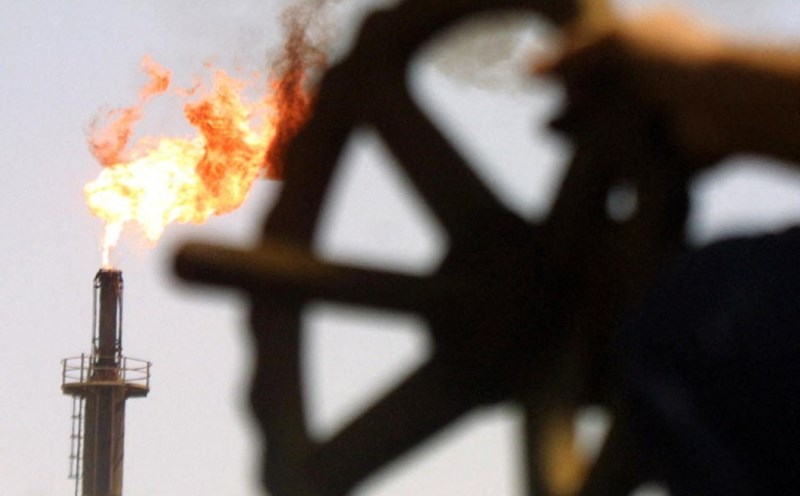
On March 11, Mr. Farhan al-Fartousi - General Director of the Iraqi National Port Authority (GCPI) - confirmed that this suspension order takes effect immediately for all specialized oil and gas ports. Meanwhile, commercial ports serving essential goods and necessities are still allowed to continue operating under strict security surveillance.
This move takes place in the context of geopolitical tensions in the Persian Gulf region reaching a peak, directly threatening global energy flows.
The continuous attacks on oil tankers in recent days have forced the Baghdad government to make a difficult decision to protect national infrastructure and the lives of sailors.
Iraq is currently one of the world's largest crude oil exporters and the closure of key export ports in the south of the country is forecast to cause a strong shock to world oil prices, which are already very volatile due to the consequences of the war in the Middle East and Ukraine.
Analysts believe that Iraq's suspension of oil ports is a sign that maritime security risks have gone beyond control. This not only affects Iraq's national revenue but also puts enormous pressure on G7 countries and major energy-consuming partners in Asia.
Diplomatic efforts are being stepped up to cool down tensions, however, the timing of reopening oil ports remains a big question mark depending on the actual situation.
While oil and gas ports are temporarily closed, the Iraqi government is committed to making maximum efforts to maintain operations at commercial ports to ensure that the supply chain of civil goods is not broken. This is considered a temporary solution to stabilize domestic market sentiment amidst the specter of conflict surrounding the world's most important energy arteries.