
The Kremlin said that demand for Russian oil and gas is increasing significantly as conflicts between the US, Israel and Iran escalate, shaking the global energy market.
Kremlin spokesman Dmitry Peskov said that the war in Iran has caused many countries to turn to Russian energy sources to compensate for the risk of supply disruption from the Middle East.
We are witnessing a significant increase in demand for Russian energy sources in the context of the Iran war. Russia is still a reliable supplier of both oil and gas, including pipeline gas and LNG liquefied natural gas" - Mr. Peskov told reporters.
According to Mr. Peskov, Moscow still has enough capacity to ensure all signed supply contracts and maintain stable energy flows for partners.
The conflict has entered its second week while the Strait of Hormuz - the world's most important oil and gas transportation route - is almost paralyzed. It is the transit point for about 20% of global oil and LNG supplies.
The disruption of this route has caused countries from Asia to Europe to urgently seek alternative sources. Thanks to this, Russia can silently benefit from the new energy earthquake in the Middle East.
Another factor driving demand for Russian oil is the US Treasury Department granting India a 30-day exemption to buy Russian oil stuck offshore. This move comes after months of Washington's pressure and heavy tariffs to force New Delhi to reduce energy imports from Moscow.
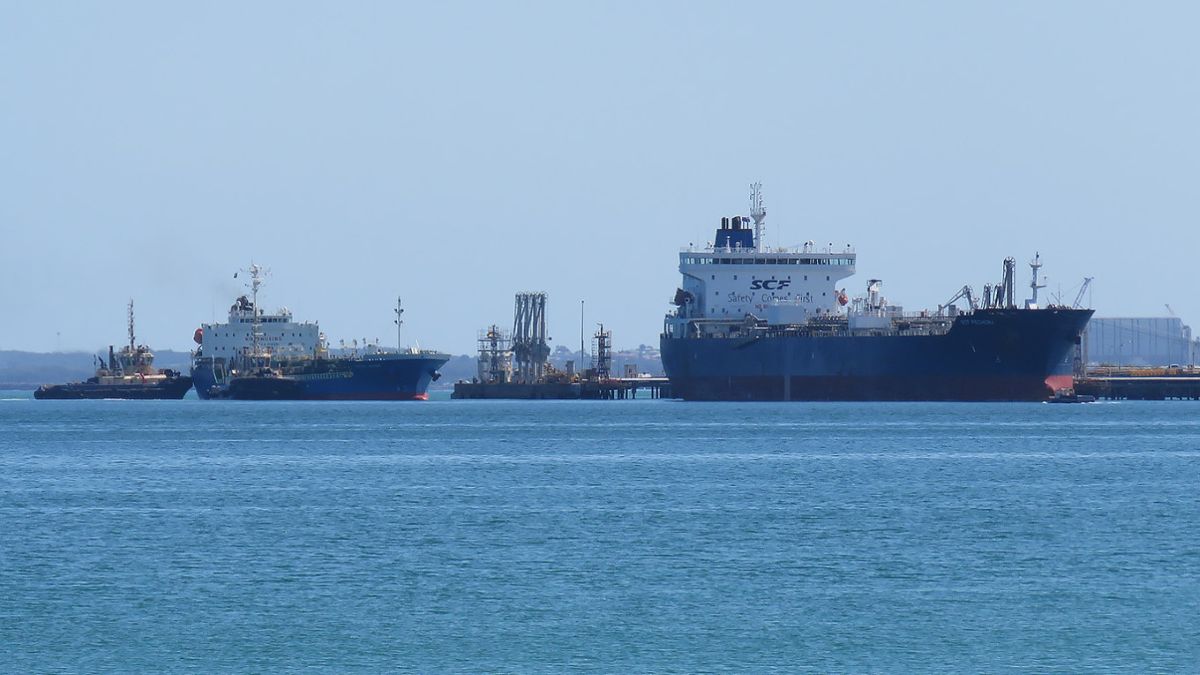
Gulf energy producers warn that the situation could become even more serious if the fighting continues.
Qatari Energy Minister Saad al-Kaabi said that many oil and gas exporters in the region may have to temporarily suspend delivery if the conflict continues to escalate. Qatar has stopped production at the world's largest LNG plant since the beginning of last week after suffering UAV attacks by Iran in response to US and Israeli military campaigns.
Qatar's LNG production accounts for about 20% of global supply, playing a key role in balancing the European and Asian markets. According to Mr. al-Kaabi, if the war lasts for a few weeks, oil prices could jump to $150/barrel and gas prices could rise to $40 per million units of heat.
Energy prices will increase everywhere. Some products will be in shortage, leading to chain reactions that prevent many factories from maintaining production," he warned.
Even if the war ends immediately, Qatar still needs from a few weeks to a few months to restore the normal export cycle.
In the energy market, oil prices have reacted strongly to geopolitical risks. US standard crude oil prices increased by more than 4%, to 84.36 USD/barrel, while international Brent oil approached 87 USD/barrel - the highest level since April 2024.
In the context of threatened Middle East supply, the market is watching whether Russia will become a temporary "lifebuoy" for global energy demand.


