
The congestion of ships carrying crude oil and liquefied natural gas (LNG) in the Panama Canal is recording a sudden increase. Global energy flow is changing its trajectory due to geopolitical conflicts, pushing this strategic waterway route into a state of operation near maximum capacity.
Images recorded at the scene show a long line of transport ships tailing each other waiting to pass through ports after receiving goods from US Gulf ports.
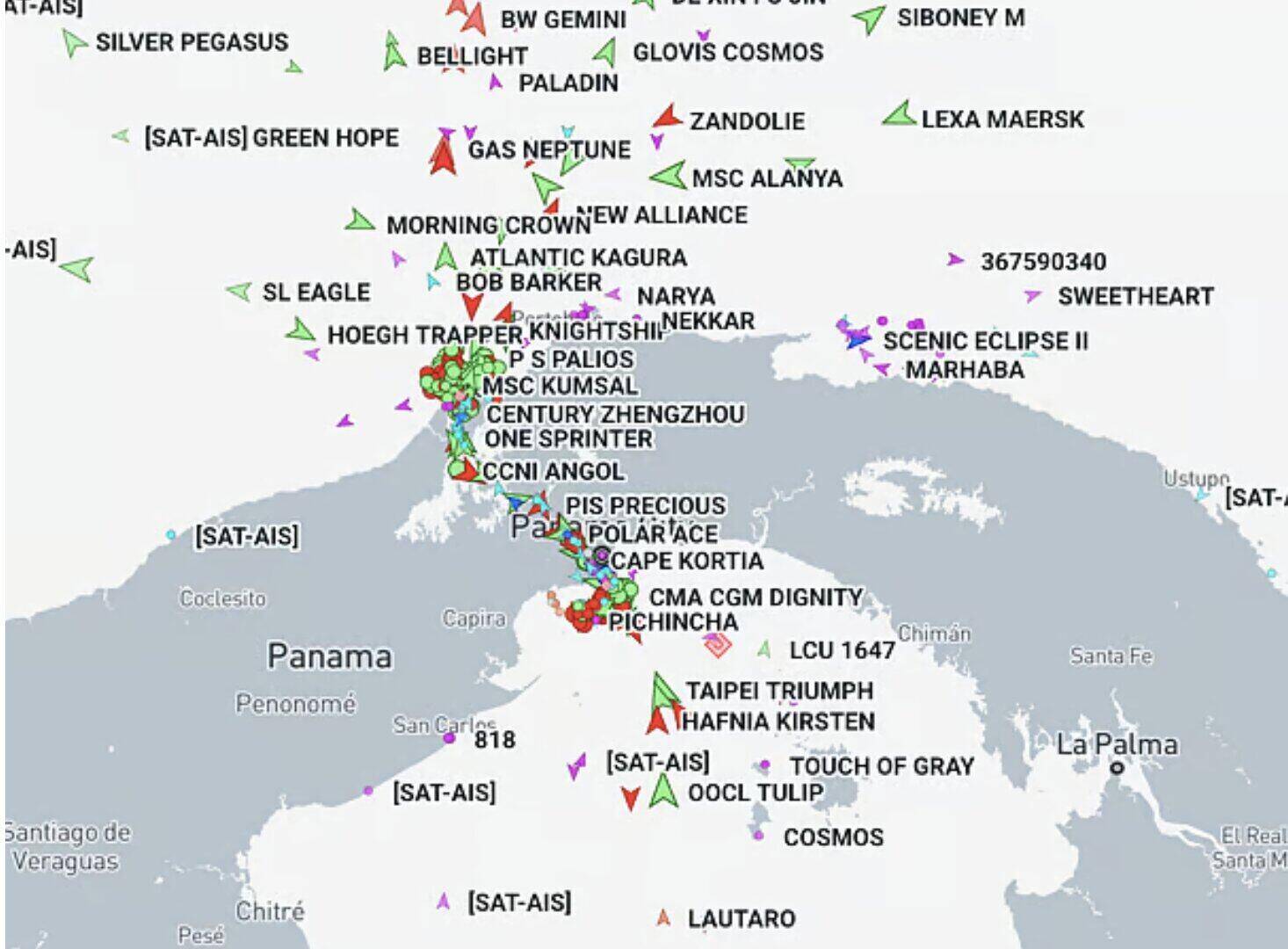
Canal authorities confirmed that the number of trains passing through is currently maintained at 36-38 trains/day, far exceeding previous forecasts. This demand is particularly strong for liquefied petroleum gas (LNG and LPG) tankers serving the Asian market.
The increase in traffic flow is a direct consequence of the disruption of the Hormuz Strait, forcing transport units to look for a safer alternative route through the Pacific to enter the Pacific.
Unlike the 2023-2024 crisis when drought reduced water levels and limited productivity, the current situation in Panama is entirely due to demand pressure. Water supply has stabilized, but the large number of ships inflowing has created a new bottleneck.
Analysis data indicates that the canal currently processes more than 95% of US LPG exports to Asia, as buyers are trying to find alternative suppliers for the Middle East.
The boom in demand has pushed operating costs to record highs. To avoid having to wait more than 3 days, many gas tankers have agreed to spend more than 4 million USD in auctions just to gain priority to pass through the canal. For transport companies, this is an economic trade-off between paying high fees and having to accept a risky and longer route through Horn's Cape or the Suez Canal.
This change reflects a new reality in the world energy map. The Panama Canal is no longer just a normal commercial waterway but has become a key link in energy geopolitics, where supply chains must constantly adapt to fluctuations from war and market demand.


