Ấn Độ là quốc gia có diện tích lớn thứ bảy trên thế giới, sau Nga, Trung Quốc, Mỹ, Canada, Brazil và Australia.
Với diện tích khoảng 3,287 triệu km2, nếu chia theo chiều dọc, nó có thể sẽ trở thành hai quốc gia, mỗi quốc gia có diện tích bằng Mông Cổ.
Nhưng Ấn Độ được cho là sẽ không bị tách theo chiều dọc mà thay vào đó, các nhà khoa học tin rằng, nước này có khả năng bị tách theo chiều ngang.
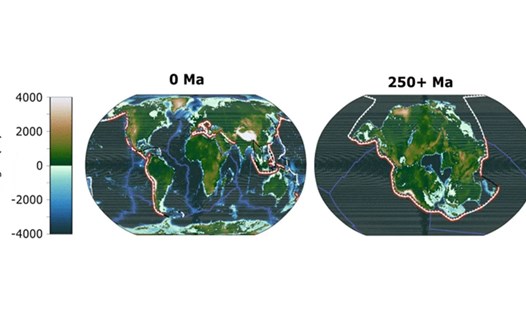
Giả thuyết này lần đầu tiên được trình bày tại hội nghị của Hiệp hội Địa vật lý Mỹ diễn ra vào tháng 12.2023. Nghiên cứu đã xem xét sự hình thành của dãy Himalaya.
Himalaya là một dãy núi trải dài trên 5 quốc gia - Ấn Độ, Pakistan, Nepal, Trung Quốc và Bhutan. Dãy Himalaya và cao nguyên Tây Tạng hình thành do sự va chạm giữa mảng Ấn Độ và Á-Âu từ 50 triệu năm trước và tiếp tục tồn tại cho đến ngày nay.
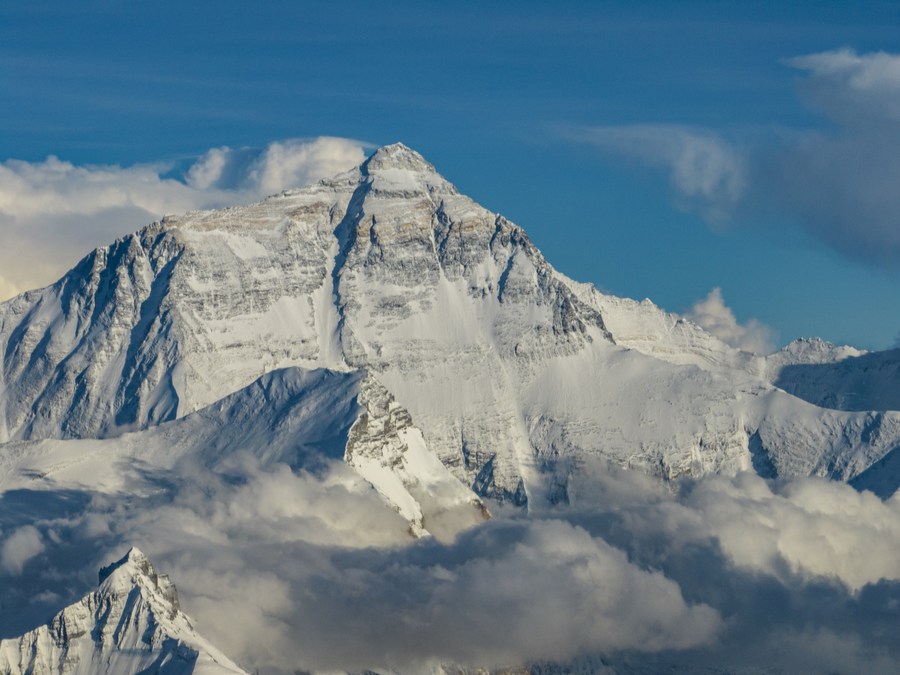
Các tác giả Lin Liu, Danian Shi, Simon L Klemperer của Đại học Stanford (Mỹ) bắt đầu nghiên cứu bằng việc xem xét mức độ heli có trong các dòng suối ở Tây Tạng và đưa ra giả thuyết mới về các mảng kiến tạo nằm bên dưới dãy núi.
Theo nghiên cứu, hàm lượng khí heli ở miền nam Tây Tạng cao hơn so với miền bắc Tây Tạng cho thấy, mảng kiến tạo Ấn Độ đang chia đôi bên dưới cao nguyên Tây Tạng.
Sau đó, nghiên cứu đã sử dụng “chức năng thu sóng S 3D” để phân tích mảng Ấn Độ.
Chức năng thu sóng S 3D sử dụng thông tin từ các trận động đất từ xa để ghi lại hình ảnh cấu trúc của Trái đất và các ranh giới bên trong của nó.
Nghiên cứu được xuất bản trên trang ESS Open Archive viết: "Các chức năng thu sóng S 3D của chúng tôi tiết lộ sự chia tách hoặc cong vênh hình vuông góc của mảng Ấn Độ".
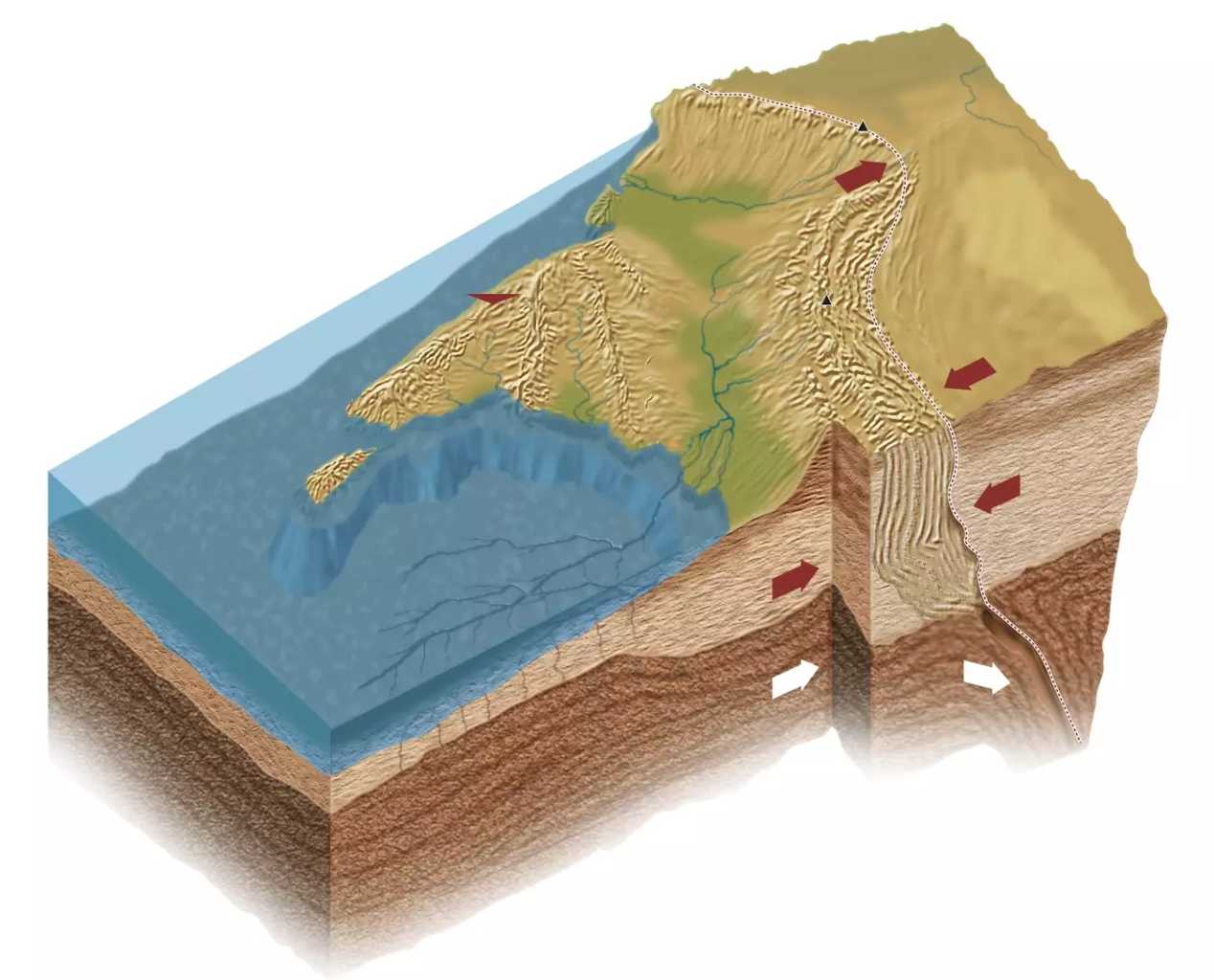
Một trong những hình ảnh cho thấy, các phiến trên và dưới của mảng Ấn Độ dường như bị tách ra.
Các tác giả nghiên cứu đã lập bản đồ độ sâu một cách khách quan để phân biệt ranh giới thạch quyển - khí quyển của Ấn Độ và Tây Tạng trên một khu vực rộng lớn ở phía đông nam Tây Tạng.
Các tác giả của nghiên cứu đi đến kết luận, mảng Ấn Độ có thể sẽ tách theo chiều ngang thay vì chiều dọc.