
On May 30 (New York time), according to CNBC, the US company Foundation Future Industries (FFI) conducted a test of a humanoid robot in a war zone in Ukraine.
According to CNBC, the US company FFI said that Phantom MK-1 humanoid robots have been brought to Ukraine for testing since the beginning of 2026. This company is currently announcing more details about the testing process and plans to deploy an upgraded version in the near future.
FFI CEO, Mr. Sankaet Pathak, said that the main task of the robots is to transport ammunition to the frontline area, thereby reducing risks for soldiers in logistics operations.
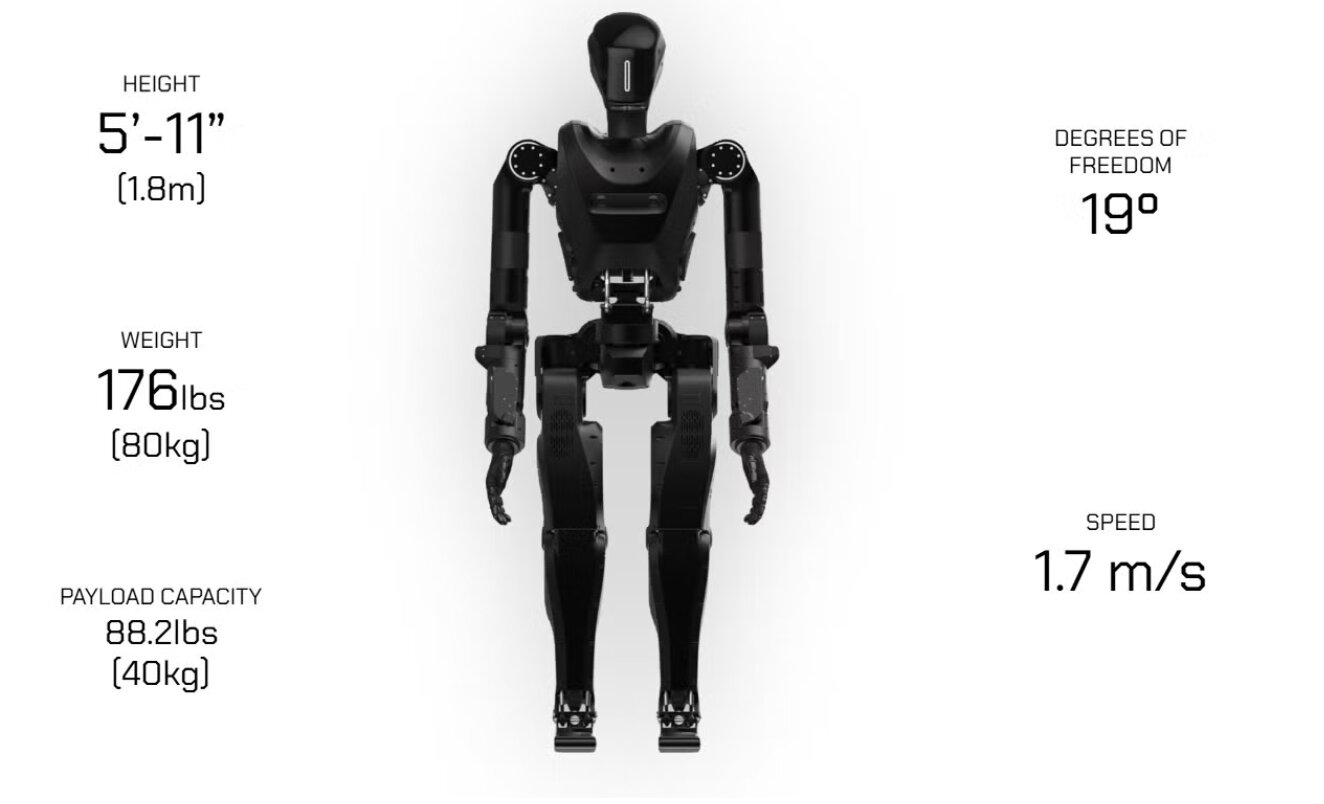
According to the manufacturer, the Phantom MK-1 is designed to support the transportation of supplies and perform some basic tasks in battlefield conditions.
However, CNBC said that this robot model still has many limitations. The payload capacity of the Phantom MK-1 robot is only about 20kg, while the body has not been designed to be completely waterproof.
The relatively short period of independent operation is also considered one of the major obstacles to the ability to deploy on a large scale.
According to Mr. Pathak, the company is currently developing an upgraded version called Phantom 2 to continue testing in Ukraine in the near future.
This company said that Phantom 2 will have twice the payload capacity of the first generation, and is also advertised as possessing capabilities equivalent to "supermen" in some logistical support tasks.
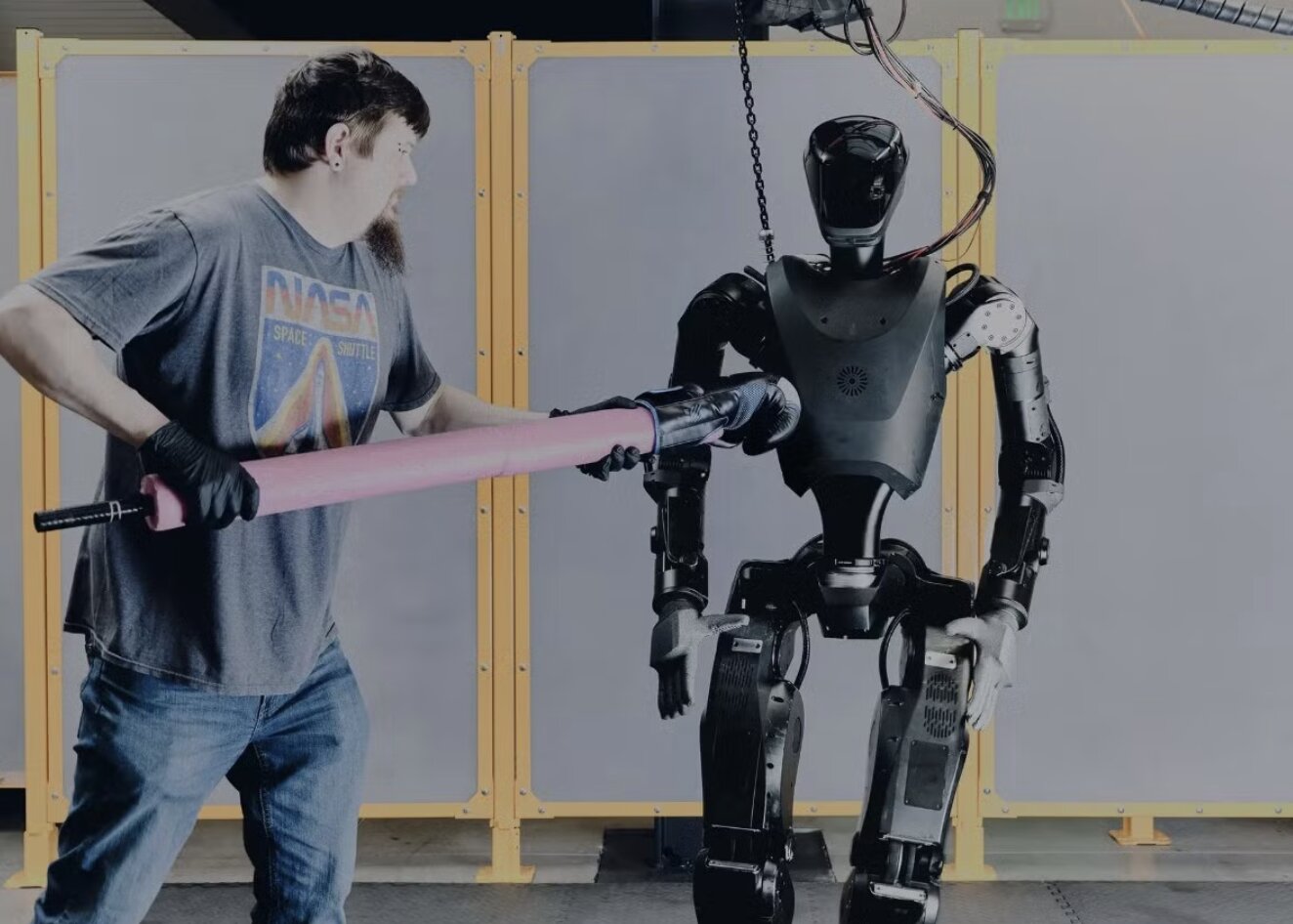
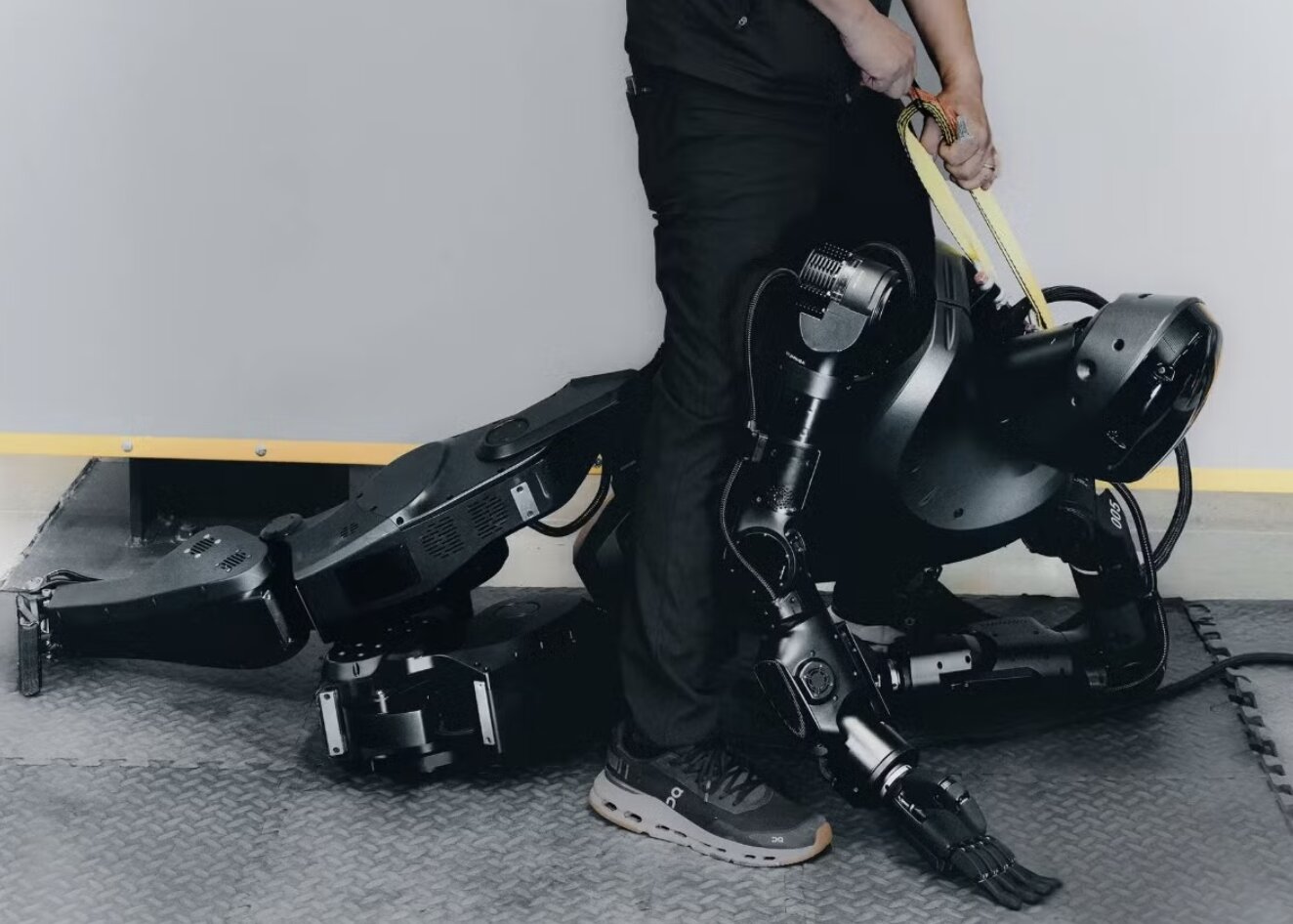
The appearance of humanoid robots on the battlefield reflects the increasing trend of the application of artificial intelligence and automation in the military field.
In recent years, many countries and defense enterprises have promoted research on robot systems capable of transporting goods, reconnaissance, clearing bombs and mines, or combat support to minimize human casualties.
However, experts believe that the human-shaped robot technology serving the military is still in the development stage and still needs to overcome many challenges related to durability, adaptability to combat environments as well as actual implementation costs.


