
Russia is preparing a noteworthy step on the global energy map: Prioritizing oil and gas supplies to friendly neighboring countries, instead of vulnerable markets to the crisis.
Energy Minister Sergey Tsivilev said Russia will adjust its export strategy in the context of increasingly unstable global supply chains, especially after airstrikes by the US and Israel against Iran and retaliatory responses from Tehran.
The friendly neighborly orientation shows that Russia is gradually moving away from the traditional export model to Europe - which has been a key market for decades, including during the Cold War.
However, tensions between Russia and the European Union (EU) have increased since before the outbreak of the Ukraine conflict in 2022, especially surrounding gas pricing: Russia prefers long-term contracts, while the EU is shifting to a volatile spot market.
After Europe announced a reduction in dependence on Russia's energy, Moscow also quickly pivoted, considering Western customers unreliable and shifting its focus to Asia.
Among the biggest beneficiaries is China - Russia's strategic partner in the energy sector. The "Siberian Power 2" pipeline project continues to strengthen Beijing's central role in Moscow's new strategy.
In addition, India has also increased imports of Russian oil, with recent orders reaching 60 million barrels, even accepting prices higher than Brent oil prices.
Not only superpowers, many neutral or once pro-Western countries have also begun to "open their doors" to Russian oil. The Philippines - a long-time ally of the US - has just received the first Russian oil block after many years of interruption, showing a silent shift in the energy balance.
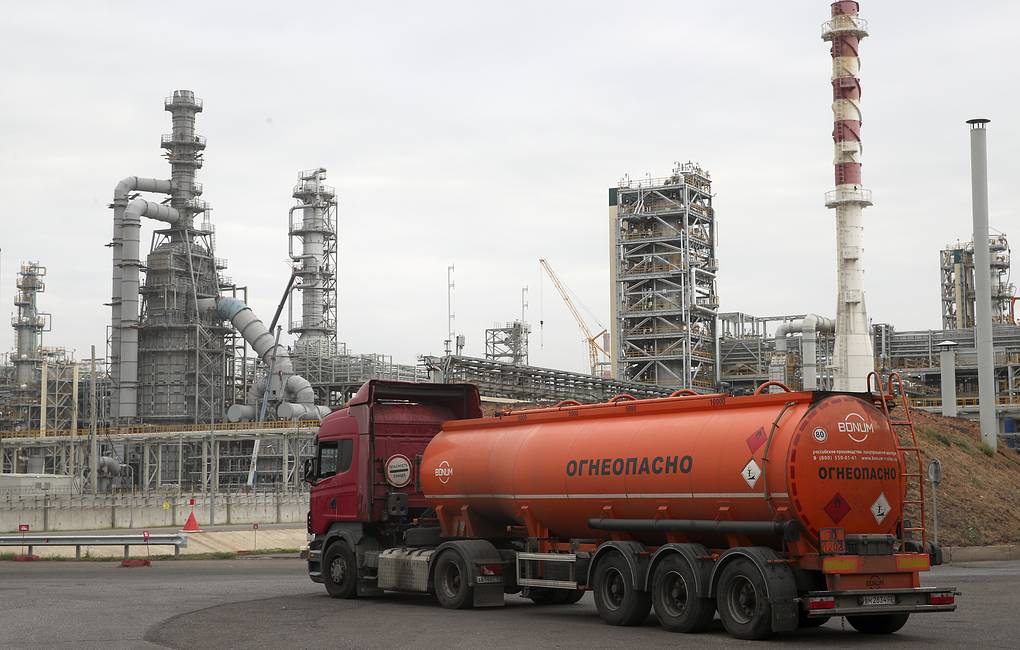
The latest energy shock originated from the conflict in Iran, causing supply from the Persian Gulf to be disrupted and pushing oil and gas prices up.
In that context, Russia's "Neighbor First" strategy is not only aimed at reducing transportation risks but also taking advantage of geographical advantages to maintain stable energy flows.
Analysts believe that if this trend continues, the world energy map will continue to fragment: Self-sufficient regional blocs, while transcontinental trade gradually shrinks.
With the new step, Russia not only repositions its role, but also contributes to reshaping the way the world operates oil and gas flows in an turbulent era.


