
In the history of research on human origin, the name "Little foot" has always been considered an invaluable treasure. This is the most complete fossil bone of the southern vulture (Australopithecus) ever found on Earth.
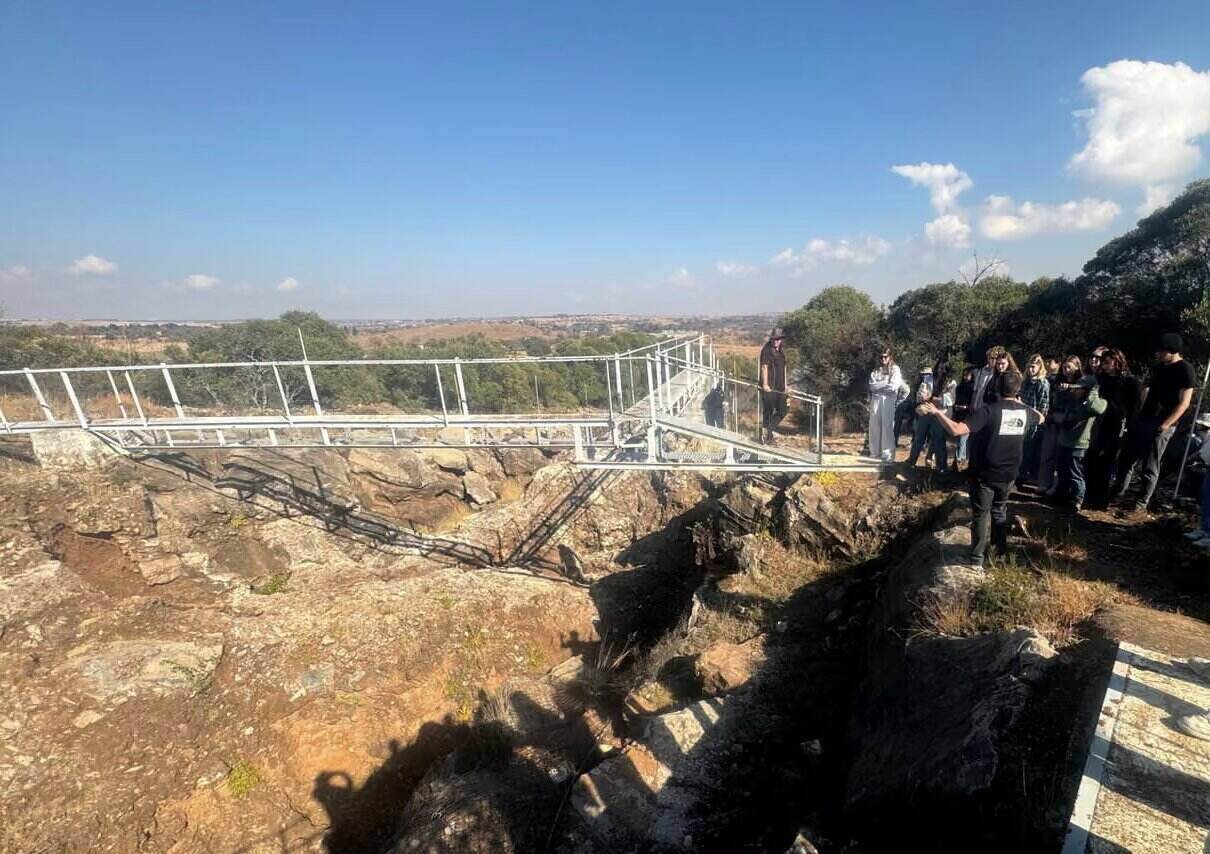
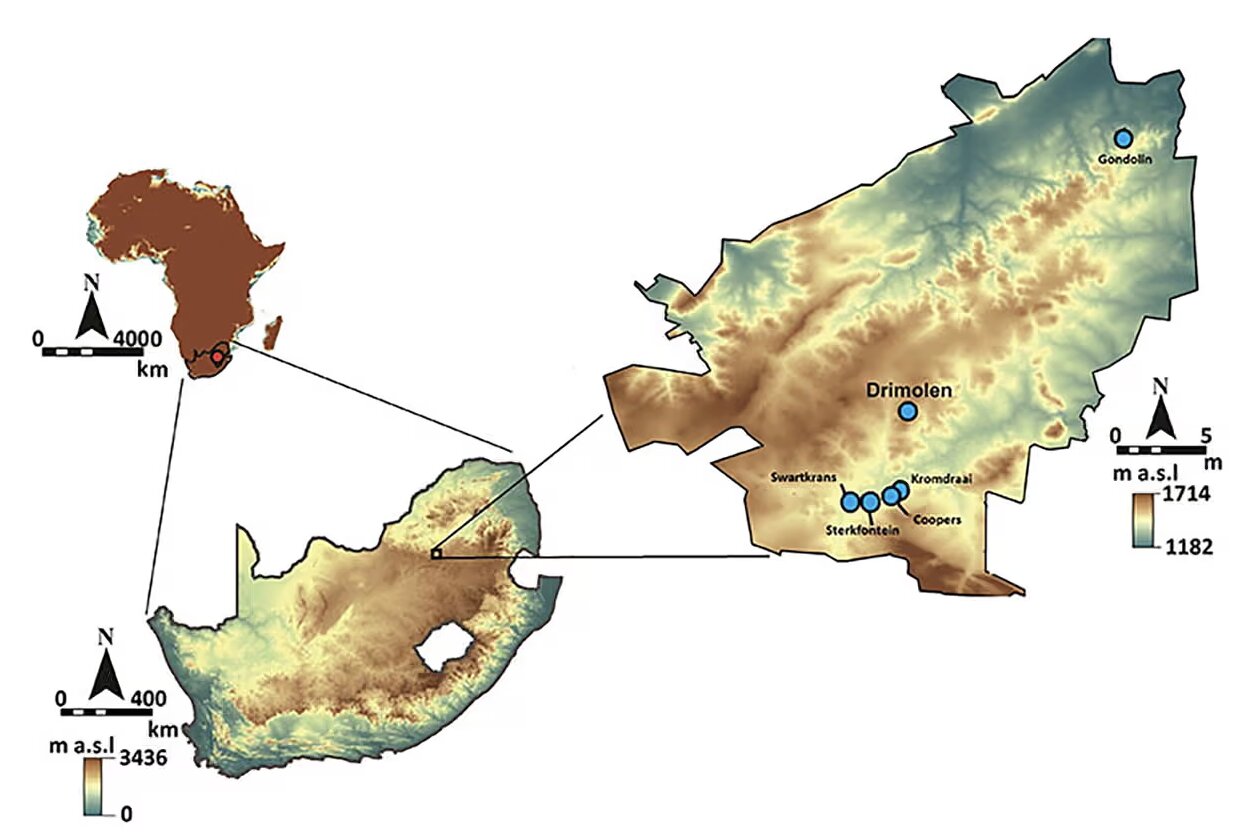
The story began in 1994 when scientists accidentally discovered small pieces of bone in the Sterkfontein cave system in South Africa. It took them more than 20 years to meticulously demolish the remains to completely separate the remains from the hard sedimentary rock and soil like concrete.
For decades, Little foot's true identity has always been a controversial unknown in the academic world. Professor Ronald Clarke, who devoted his career to the excavation of the skeleton, believes it belongs to Australopithecus prometheus. Meanwhile, many other experts believe that it is just an individual of the Australopithecus Africancanus species that was very popular in Africa about 4 million years ago.
However, all old assumptions seem to have been disrupted by a groundbreaking study from Australian scientists. The team of experts led by Dr. Jesse Martin from La Trobe University made a bold conclusion after carefully analyzing the analytical structure of the skeleton.
They affirmed that Little foot does not belong to any known species but represents a completely new branch of the human ancestor and has never been recorded in the human papaya tree.
The key to this important conclusion lies in the bottom of the fossil skull. Dr. Martin explains understandably that in the millions of years of the president'solution, the skull base is the place that "protects" him the most and rarely changes his shape. Therefore, finding obvious structural differences in this area is undeniable evidence that Little foot is a separate species.
He compared the discovery to not simply finding a missing link but to being able to see a completely strange branch in the human race.
Despite having convincing evidence, the research team decided not to rush to name the species newly. They said that special honor deserves to belong to Professor Clarke's team as a tribute to his extraordinary efforts.
Currently, in addition to the problem of identification, Little foot's real age is also a difficult problem. Modern measurement methods yield huge differences in results, ranging from 2.8 million to 3.67 million years old, leaving a big gap in the picture of human history and civilization.


