
On March 7, US President Donald Trump declared that Iran would be "hit very hard today", just hours after Iranian President Masoud Pezeshkian publicly apologized to the Gulf countries for previous attacks.
In a post on the social network Truth Social, Mr. Trump said that Tehran only apologizes and "surrenders" to neighboring countries due to pressure from "continuous attacks by the US and Israel".
According to data released by the Iranian government, US and Israeli airstrikes in the past nearly 2 weeks have killed at least 1,332 people, including 168 students of a girls' school in Minab city.
Iran signals cooldown with neighbor
In a video message broadcast on the morning of March 7, Iranian President Masoud Pezeshkian said that Iran's interim leadership has agreed to stop attacking neighboring countries, unless attacks on Iran originate from their territory.
We have no intention of invading neighboring countries. As I have said many times, they are our brothers," Mr. Pezeshkian emphasized.
The Iranian leader also directly apologized to the Gulf countries affected by Tehran's attacks and called on them not to participate in the US and Israeli military campaigns.
However, this move immediately caused controversy within Iran. Some tough figures said that Mr. Pezeshkian's statement was "weak and unacceptable".
Despite the apology, the Iranian Islamic Revolutionary Guard warned that all bases and interests of the US and Israel in the region would become "priority targets" if attacks on Iran continued.
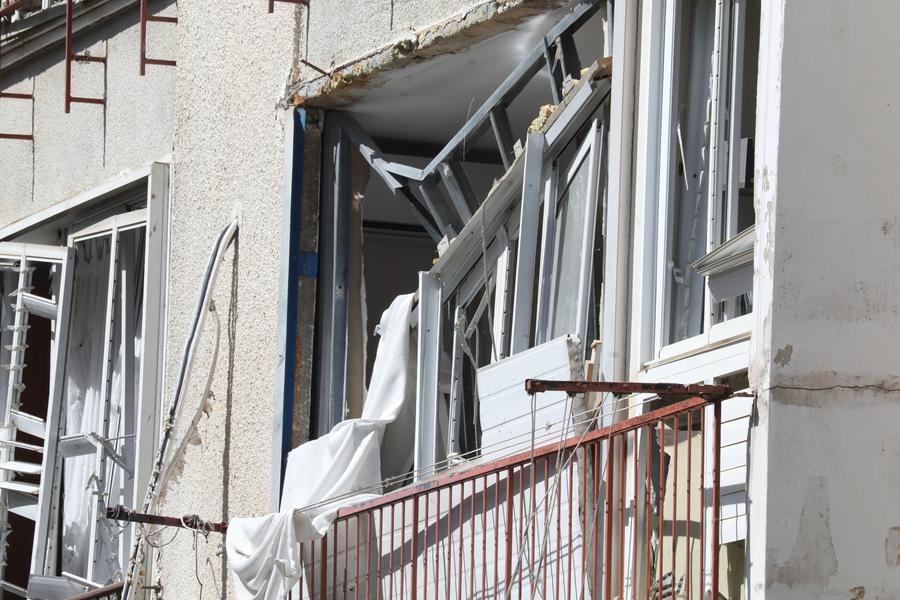
President Trump does not want to negotiate
Speaking to reporters on Air Force One, Mr. Trump said he is currently not interested in negotiations with Iran.
The US President even said that the air strike campaign could make negotiations meaningless if the entire Iranian leadership is removed and the country's army is destroyed.
At some point, there may be no one left to say'we are surrendering'," Trump said.
Previously, Washington had asked Iran to surrender unconditionally, but President Pezeshkian rejected this request and affirmed that Tehran would not succumb.
War spreads across the Middle East
While tough statements continue to be made, the actual battlefield in the Middle East remains tense.
The Iranian Revolutionary Guard Corps said it used drones to attack the US Air Force operations center at Al Dhafra base. This information has not been independently confirmed.
Iran also announced that it targeted an Israeli oil refinery, causing an alarm to sound in the city of Haifa.
Meanwhile, security sources said that rockets fell near the US Embassy complex in Baghdad (Iraq), one of which fell on the helicopter landing pad but caused no casualties.
In the opposite direction, fuel facilities in the city of Karaj, west of Tehran, are believed to have been hit by airstrikes.
In the past week, a series of Middle Eastern countries such as UAE, Qatar, Bahrain, Kuwait and Saudi Arabia have recorded attacks by missiles or drones. The world's largest LNG plant in Qatar paralyzed by Iranian UAV attacks, global gas suffers heavy shock
The war between the US, Israel and Iran is at risk of expanding into regional conflict, as military bases and Washington's interests in the Middle East continuously become targets of Tehran's response.


